





The Great Indian Coffee Awakening
A significant cultural shift is brewing across India. Once a nation predominantly fuelled by tea and the occasional cup of instant or filter coffee, the country is witnessing a remarkable transformation in its beverage habits. Young, urban consumers,
particularly millennials and Gen Z, are increasingly turning their backs on mass-market instant coffee. They are instead seeking out a more sophisticated and flavourful experience: specialty single-origin coffee. This isn't just about getting a caffeine fix anymore; it's about savouring a beverage with a unique story, flavour profile, and a sense of place. The trend signifies a move from mindless consumption to mindful appreciation, where the coffee in the cup is as important as the conversation around it.
Decoding the Coffee Connoisseur's Lingo
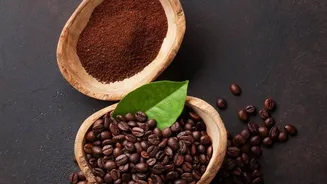
So, what exactly is this “specialty coffee” that has everyone buzzing? Unlike commercial blends, which combine beans from various places to create a uniform taste, 'single-origin' coffee comes from a specific geographical location, often a single farm or 'estate'. This allows the unique characteristics of that region's soil, climate, and altitude—what the wine world calls 'terroir'—to shine through. 'Estate roasts' take this a step further, often referring to beans roasted at or near the same estate where they were grown. This movement is part of what is known as the “third wave” of coffee, a culture that treats coffee as an artisanal product, much like craft beer or fine wine, with a focus on quality, transparency, and ethical sourcing.
Brewed by a New Generation
The driving force behind this trend is India's youth. Comprising a significant portion of specialty coffee consumers, millennials and Gen Z are approaching coffee with a new set of values. Exposed to global culture through travel and social media, they crave authenticity and unique experiences. The visual appeal of latte art and minimalist cafes provides perfect content for platforms like Instagram, turning a daily ritual into a shareable lifestyle statement. Furthermore, with rising disposable incomes, this demographic is more willing to pay a premium for products that offer superior quality and a compelling narrative. For them, choosing a single-origin brew is a form of self-expression and a quiet rebellion against the mass-produced options of the past.
From Plantation to Cup: A Story of Origin
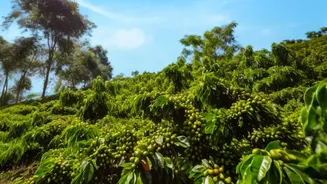
A key part of the appeal is traceability. Young consumers increasingly want to know the story behind what they consume. The journey of the bean from a specific estate in regions like Coorg, Chikmagalur, or the Araku Valley to their cup is a powerful narrative. These regions in Karnataka, Andhra Pradesh, and Tamil Nadu have been producing world-class coffee for years, much of which was historically destined for export. Now, homegrown brands and roasters are making these exceptional Indian coffees available to a domestic audience. This 'farm-to-cup' model fosters a direct connection between the grower and the drinker, promoting sustainability and an appreciation for the craftsmanship involved.
The Rise of Homegrown Roasters and Cafes
This coffee revolution wouldn't be possible without the ecosystem of Indian entrepreneurs who are making specialty coffee accessible. A new wave of artisanal roasters and cafe chains like Blue Tokai, Third Wave Coffee, and Araku Coffee have become central to this movement. They source high-quality beans directly from estates, roast them in small batches to preserve freshness, and educate consumers about different brewing methods like pour-overs, Aeropress, and cold brews. These brands have not only established trendy cafes that serve as community hubs but have also built strong online presences, allowing coffee lovers to buy freshly roasted beans and brewing equipment to replicate the cafe experience at home.