

Run an Extra Spin Cycle
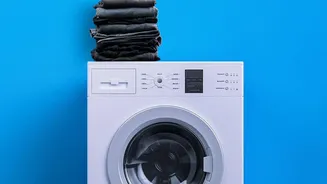
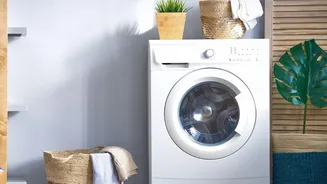
Your first line of defense begins with your washing machine. Before hanging clothes to dry, run them through an extra spin cycle at the highest speed your fabrics can handle. Modern machines with speeds of 1200-1600 RPM are particularly effective at wringing
out a surprising amount of excess water. This single step can significantly reduce the moisture content in your garments, giving you a crucial head start and cutting down the overall drying time. It's a simple, quick action that makes a huge difference.
Maximise Airflow
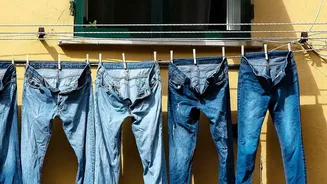
When drying clothes indoors, airflow is your best friend. Overcrowding a drying rack is a common mistake that traps moisture and slows down evaporation. Ensure there is ample space—at least a few inches—between each item. This allows air to circulate freely around the fabric, carrying moisture away more effectively. Hang shirts on individual hangers and then place them on the rack. For thicker items like jeans, hang them by the hem to let gravity help pull out moisture. This simple spacing strategy is key to preventing damp pockets and ensuring everything dries evenly.
Harness the Power of a Fan
A humble fan can be a game-changer for indoor drying. Whether it's a ceiling fan or a pedestal fan, the constant movement of air mimics a natural breeze, which is crucial for speeding up evaporation. Position your drying rack in a well-ventilated room and aim a fan towards the clothes. This helps to continuously replace the moist air surrounding the wet fabric with drier air from the room, preventing a humid microclimate from forming around your laundry. You'll be surprised how much faster your clothes dry with this simple addition.
Invest in a Dehumidifier
For those living in regions with very high monsoon humidity, a dehumidifier is the ultimate weapon against damp laundry. During the Indian rainy season, indoor humidity can often exceed 80%. A dehumidifier works by actively pulling moisture out of the air, creating a much drier environment that allows clothes to release their moisture faster. Placing a dehumidifier in a closed room with your laundry rack can cut drying time from over a day down to just a few hours. It's an investment that not only helps with laundry but also improves the overall health of your home by preventing mould and mildew.
Use Vinegar to Banish Odours
That dreaded musty smell comes from bacteria and mildew that begin to grow on fabric that stays damp for too long. To combat this, add about half a cup of white vinegar to your washing machine's rinse cycle. Vinegar is a natural antibacterial agent that helps kill the microorganisms responsible for bad odours without leaving a lingering smell on your clothes. This is an especially useful trick for towels and sportswear that are prone to smelling stale.
The Quick Ironing Trick
If you need a specific item of clothing dried in a hurry, or if your clothes are just slightly damp after hanging, a hot iron can finish the job. Ironing clothes that are almost dry helps to evaporate the last traces of hidden moisture, especially in thicker seams and collars. Be sure to use the correct heat setting for your fabric to avoid damage. You can also place a thin, dry towel over the damp garment before ironing as a protective barrier. This not only dries the item but also leaves it crisp and ready to wear.
Store Your Clothes Wisely
Your work isn't finished once the clothes are off the rack. Storing garments that are even slightly damp can lead to musty smells developing inside your wardrobe. Before folding and putting clothes away, double-check that they are completely dry to the touch. To keep your cupboards fresh during the humid season, avoid overstuffing them to allow for better air circulation. You can also place moisture absorbers like silica gel pouches or a small open box of baking soda inside to help absorb any excess humidity in the air.