




The Scale of Festive Waste
Festive seasons and large gatherings like weddings are major contributors to India's food waste problem. Reports indicate that a significant percentage of food prepared for celebrations, sometimes as much as 20%, ends up being discarded. During one festival
in Tiruvannamalai, for instance, over 80% of the garbage collected was food waste. This isn't just a loss of food but also a waste of the resources—water, energy, and labour—that went into producing it. The good news is that with mindful planning, families can significantly cut down on this waste while still enjoying the richness of festive traditions.
Plan Your Menu Wisely
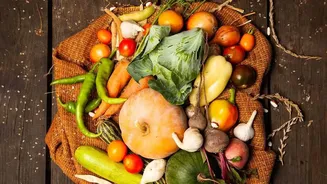
Responsible consumption begins long before the cooking starts. The first step is to plan your menu with intention. Create a list of dishes, considering the number of guests you expect and their preferences. There's often no need for an overwhelming number of options; limiting the menu can prevent over-preparation. Before heading out to shop, eat a light snack like fruit or yogurt. Arriving at the grocery store on a full stomach helps curb impulse buys and ensures you stick to your shopping list, preventing the purchase of excess ingredients that might spoil.
Master Portion Control in Cooking and Serving
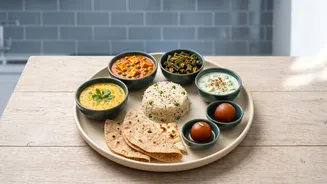
Once you're in the kitchen, think about portion sizes. While generosity is a hallmark of festive hospitality, cooking more than required is a primary driver of waste. A helpful strategy when serving guests is to use smaller plates. This simple visual cue encourages smaller initial servings, and guests can always take seconds if they wish. When dishing up, try the 'plate method': fill half your plate with vegetables or salad, a quarter with protein like dal or paneer, and the final quarter with carbohydrates such as rice or roti. This ensures a balanced meal and reduces the chances of uneaten food left on the plate.
Get Creative with Leftovers
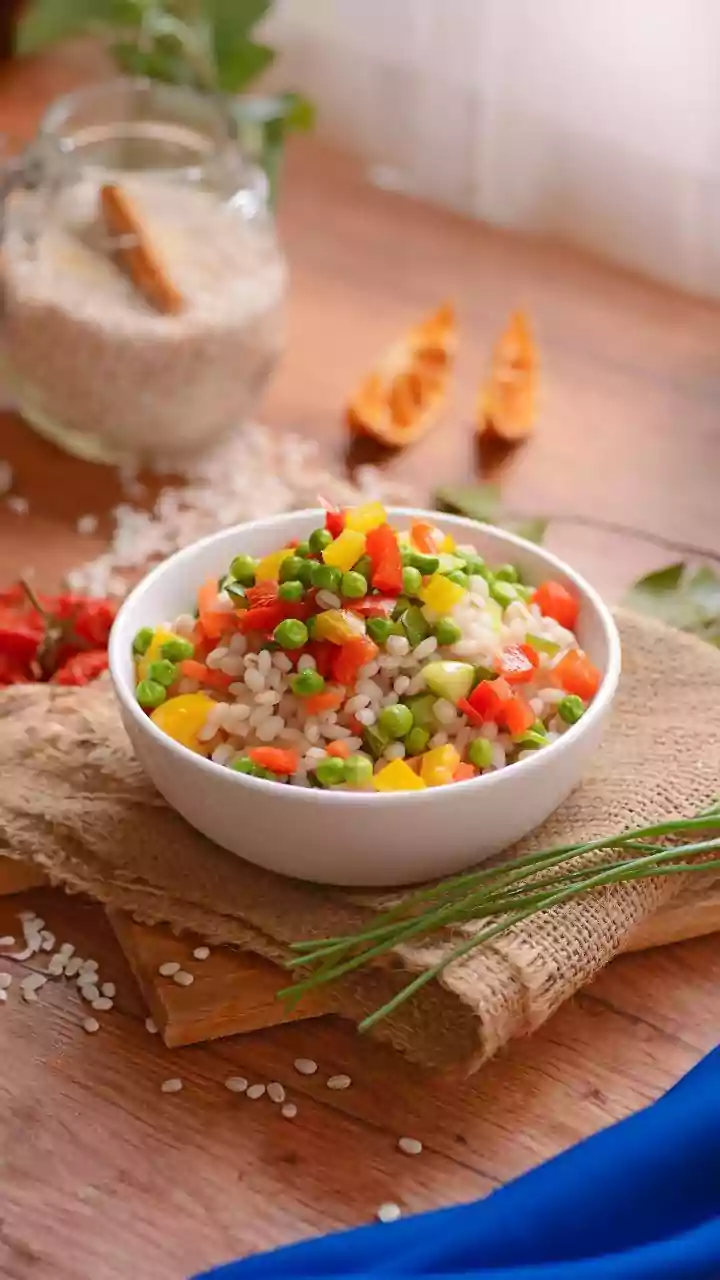
Despite the best planning, leftovers are often inevitable. Instead of seeing them as a burden, view them as an opportunity for creative new meals. Leftover curries and sabzis can be transformed into fillings for wraps, kathi rolls, or even savory pies. Crumbled sweets like ladoos can be used as a topping for yogurt or ice cream. Similarly, leftover rice can be easily made into fried rice, stuffed parathas, or the traditional fermented rice breakfast popular in many parts of India. By repurposing leftovers, you not only prevent waste but also create delicious and easy follow-up meals.
Share the Abundance
The spirit of Indian festivals is rooted in community and sharing. If you find yourself with a significant amount of extra, untouched food, consider sharing it. You can pack takeaway boxes for your guests to enjoy later, a gesture many will appreciate. Another powerful option is to connect with local community organizations or food banks. Many NGOs have systems in place to collect surplus food from events and distribute it to those in need, ensuring that the festive abundance nourishes the wider community instead of ending up in a landfill.