






The Changing Face of Dining on Tracks
For decades, train food meant one of three things: food packed from home, the limited menu of the pantry car, or a risky purchase from a platform vendor. The landscape today is radically different. Spearheaded by IRCTC’s e-catering service, a digital
revolution is underway. Passengers can now use their PNR number to order from a wide array of restaurants and have it delivered to their seat at an upcoming station. This ecosystem has expanded rapidly, with official partners like Zoop and, more recently, food delivery giants like Zomato and Swiggy entering the fray. These platforms act as aggregators, connecting hungry travellers with FSSAI-approved restaurants in cities along their route, promising a significant upgrade in choice and hygiene. The growth has been substantial, with IRCTC's e-catering handling a massive volume of orders daily, signaling a clear shift in passenger behaviour.
How Does It Actually Work?
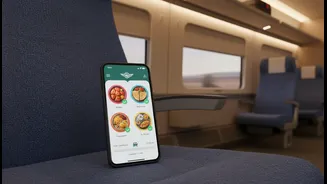
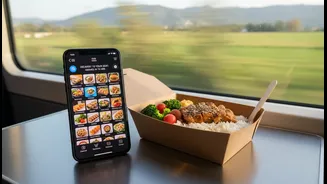
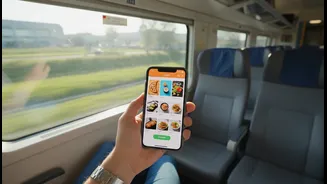
The process is designed for convenience. Passengers can use the IRCTC 'Food on Track' app, visit the e-catering website, or even use partners like Zomato by simply entering their 10-digit PNR number. The system automatically detects the train details and presents a list of available restaurants for upcoming stations where delivery is possible. After selecting a meal and a delivery station, payment can be made online or via cash on delivery. The order is then timed to arrive as the train pulls into the selected station, with a delivery person bringing the food directly to your seat. Some services even track the train in real-time to adjust for delays, ensuring the food doesn't get cold or miss its window.
The Hype: A Culinary Revolution?
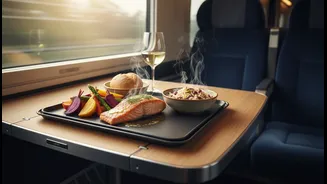
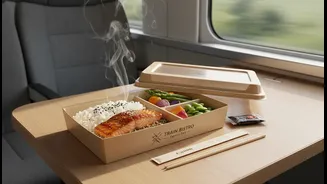
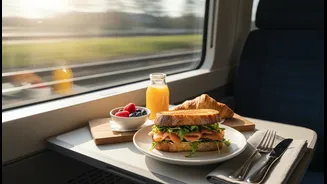
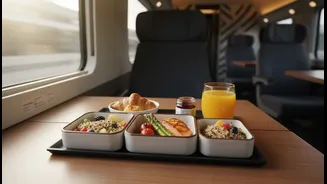
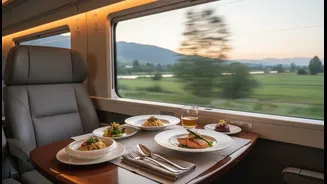
The marketing promises a restaurant-on-wheels experience. No more settling for a standard thali when you can have a Domino's pizza, a Behrouz biryani, or your favourite local Chinese food. The appeal is undeniable: variety, convenience, and the assurance of ordering from trusted brands. For families, large groups, and those with specific dietary needs, such as Jain meals, this service is a game-changer. Instead of packing food for a multi-day journey or worrying about hygiene, passengers can plan their meals from a diverse menu. The entry of major players like Zomato and Swiggy has amplified this, bringing their user-friendly interfaces and extensive restaurant networks to the railway ecosystem, making the process feel as simple as ordering food at home.
The Reality: Navigating the Bumps
While the system is a massive improvement, it's not without its flaws. The biggest challenge is the intricate dance of timing. A slightly delayed train or a slow delivery person can mean a missed meal. User reviews frequently mention orders not arriving, food being delivered cold, or mix-ups in what was ordered. The quality can also be inconsistent, varying wildly from one restaurant partner to another, even under the same aggregator. A station with a short halt time of only a few minutes adds another layer of risk to the transaction. While the hype paints a picture of seamless service, the reality is that passengers are still advised to be cautious and have a backup plan, just in case.
Tips for a Better Train Food Experience
To make the most of this evolving service, a little strategy goes a long way. Firstly, plan ahead. Place your order well in advance, at least a couple of hours before the delivery station. Secondly, be strategic about your delivery point. Choose a station where your train has a longer scheduled stop, ideally 10 minutes or more, to create a buffer for the delivery. Sticking to well-known, reputable chain restaurants can often provide a more consistent and reliable quality of food and packaging compared to unknown local eateries. Finally, always opt for cash on delivery where possible. This provides leverage and avoids the hassle of seeking a refund if the order fails to show up, a common complaint among users.