


Why Good Drainage Is Non-Negotiable
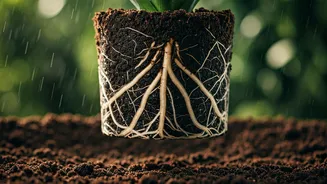
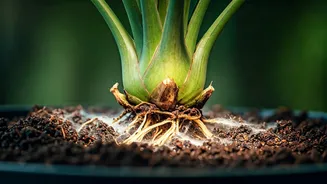
In the open ground, excess water can seep deep into the earth. In a pot, it has nowhere to go. When soil becomes waterlogged, it cuts off oxygen supply to the roots. This creates an environment where roots can't breathe, leading to the dreaded root rot,
a condition from which few plants recover. Poor drainage doesn't just drown roots; it also encourages harmful fungi and bacteria to flourish and can lead to soil compaction, which restricts root growth and makes it harder for plants to absorb vital nutrients. A well-draining pot ensures the perfect balance of moisture and air, which is the foundation of a healthy plant.
Spotting the Signs of Trouble
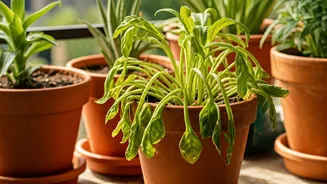
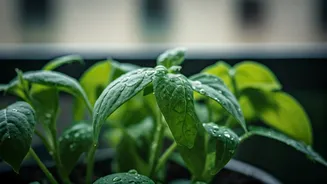
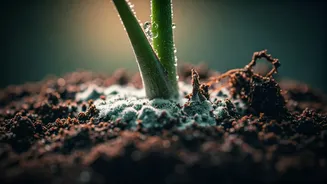
How can you tell if your plants are suffering from poor drainage? The signs are often mistaken for under-watering, leading gardeners to add more water and worsen the problem. Look out for leaves that are turning yellow or brown, especially lower ones. The plant might look wilted or droopy even when the soil feels damp. Other red flags include stunted or slow growth, a musty or mouldy smell coming from the soil, or visible fungus on the soil surface. If you notice these symptoms, it's time to investigate your pot's drainage situation before it's too late.
The Myth of the Gravel Layer
For decades, a common piece of gardening advice was to add a layer of gravel, stones, or broken pottery at the bottom of a pot to improve drainage. However, modern horticulture science has shown this to be a myth that actually harms plants. Water does not move easily from a fine-textured material like potting soil to a coarse-textured material like gravel. Instead, the water collects in the soil just above the gravel layer, creating what is known as a 'perched water table'. This effectively raises the waterlogged zone, bringing it closer to the plant's roots and reducing the total volume of healthy soil available for growth. The best practice is to fill the entire pot with a quality potting mix.
Start with the Right Container
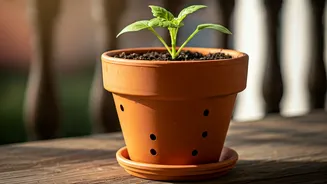
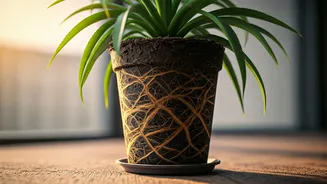
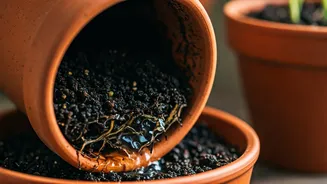
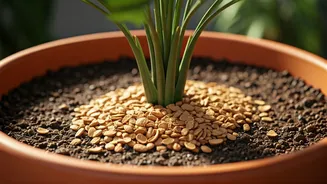
The simplest way to ensure good drainage is to choose a container with adequate drainage holes. Most pots come with at least one, but for larger containers, multiple holes are better. If you fall in love with a decorative pot that has no holes, you have a few options. You can carefully drill holes yourself, or use the 'double potting' method: plant your greenery in a simple pot with drainage holes, and then place it inside the decorative one. Just remember to empty any excess water that collects in the outer pot after watering. Material also matters. Porous terracotta pots allow water to evaporate through the sides, making them great for plants that prefer drier soil. Plastic and glazed ceramic pots retain more moisture.
Create a Well-Draining Soil Mix
The soil you use is just as important as the pot. Never use heavy garden soil in containers, as it compacts easily and holds too much water. Instead, opt for a high-quality potting mix specifically designed for containers. These mixes are light, fluffy, and contain ingredients that promote both aeration and drainage. To further improve drainage, you can amend your potting mix. Adding materials like perlite, pumice, or coarse sand creates more air pockets in the soil, allowing water to flow through more freely. A good general recipe is a mix of potting soil, compost for nutrients, and an amendment like perlite to keep it light.