



A New Sentinel in Geosynchronous Orbit
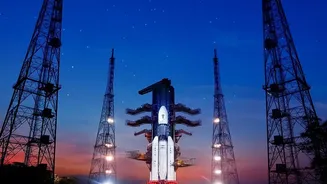
The Indian Space Research Organisation (ISRO) is scheduled to launch the Earth Observation Satellite-05 (EOS-05) on September 4, 2026. Also known as GISAT-1A, this satellite is not just another addition to India's space assets; it represents a significant
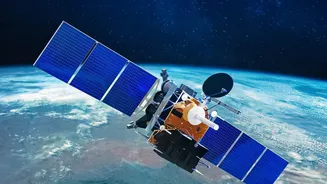
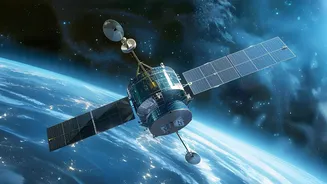
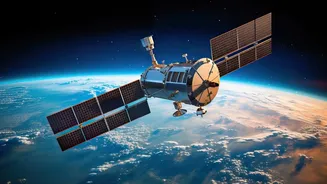
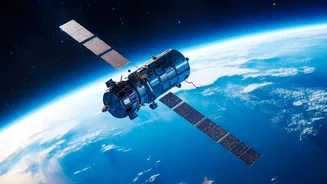
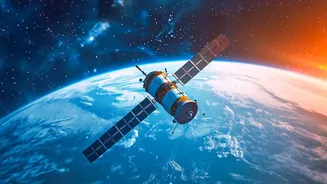
leap in capability. Unlike most Earth observation satellites that orbit at low altitudes and pass over a location periodically, EOS-05 will be placed in a geosynchronous orbit approximately 36,000 kilometres above the equator. This high-altitude position allows it to orbit at the same speed as the Earth's rotation, enabling it to maintain a constant watch over the Indian subcontinent. This fixed gaze is a game-changer for monitoring rapidly developing situations, offering the potential for near-real-time imagery.
What Can EOS-05 Actually See?
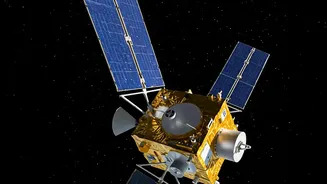
EOS-05 is an agile geo-imaging satellite designed to provide frequent, high-resolution images. It is equipped with multispectral and hyperspectral imaging instruments, allowing it to capture data across different wavelengths of light. This capability is crucial for a wide range of applications, including monitoring weather patterns, detecting cyclones, and assessing floods and forest fires. The satellite is designed to image large areas repeatedly, with the potential to provide updates every 30 minutes. This frequency is a massive improvement for tracking dynamic events like the formation and movement of a cyclone, where every minute counts.
Strengthening Cyclone and Flood Warnings
For a nation with a 7,500-kilometre coastline, cyclone prediction is a critical priority. Satellites are the first line of defence. Data on cloud patterns, wind speed, and sea surface temperature are vital inputs for meteorological models that predict a cyclone's path and intensity. While satellites like the INSAT series and Oceansat-3 already perform this role, the geosynchronous nature of EOS-05 will provide a more persistent stream of data. When cyclones make landfall and cause widespread flooding, visibility is often obscured by thick clouds. This is where radar imaging satellites like the RISAT series become essential, as their signals can penetrate cloud cover to map the extent of inundation. The frequent updates from EOS-05, combined with the all-weather capability of RISAT, can provide disaster management agencies like the National Disaster Management Authority (NDMA) with a comprehensive and timely view of the situation on the ground.
Part of a Broader Observation Network
EOS-05 does not operate in isolation. It is a vital component of India's extensive Earth observation satellite constellation, which includes several specialised spacecraft. The INSAT series (including INSAT-3D, 3DR, and 3DS) provides continuous weather monitoring. The Oceansat series focuses on oceanographic data like sea surface temperature and wind vectors, which is crucial for predicting cyclogenesis (the birth of a cyclone). The RISAT series, with its Synthetic Aperture Radar (SAR), ensures that monitoring can continue day and night, regardless of weather conditions. This network of satellites feeds a constant stream of information to agencies like the India Meteorological Department (IMD) and the Indian National Centre for Ocean Information Services (INCOIS), which then issue warnings and advisories. The addition of EOS-05 enhances this system by providing a high-revisit, real-time monitoring capability that was previously a gap.
Beyond Disasters: A Multipurpose Tool
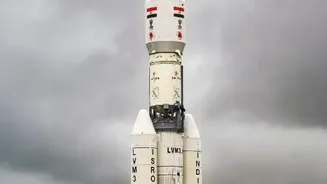
While its role in emergency planning is paramount, the applications of EOS-05 extend further. The data it gathers will be valuable for environmental monitoring, allowing authorities to track changes in land use, vegetation, and water bodies. This has implications for agriculture, helping with crop health monitoring, and for managing natural resources. Its ability to frequently image the subcontinent also lends itself to strategic applications, enhancing India's overall observational capabilities. The mission is also a crucial test of ISRO's GSLV-Mk II rocket, especially after a previous attempt to launch a similar satellite, EOS-03, failed in 2021. A successful launch will not only deliver a powerful new tool but also reaffirm India's self-reliance in space technology.