




Your Windowsill Setup
Success with indoor herbs starts with three key elements: light, containers, and soil. Most culinary herbs need at least four to six hours of direct sunlight daily. A south-facing windowsill is ideal, especially during the shorter days of winter. If your
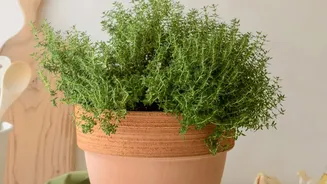
light is limited, consider a simple LED grow light to supplement. For containers, choose pots that are at least 6-8 inches deep and wide to give roots room to grow. The single most important feature is drainage holes; without them, roots will sit in water and rot. When it comes to soil, avoid using heavy garden soil, which compacts easily and can introduce pests. Instead, opt for a light, fluffy, well-draining potting mix. A quality indoor potting mix, sometimes with added perlite or coco coir, provides the perfect balance of moisture retention and aeration.
Caring for Queen Tulsi
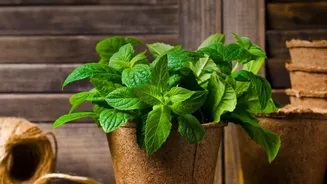
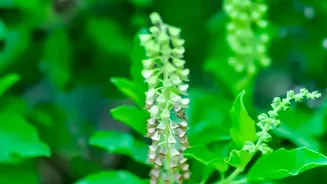
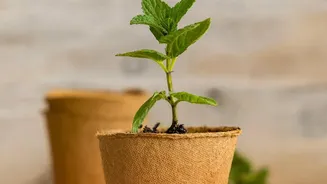
Tulsi, or Holy Basil, is a staple in many Indian homes and requires a bit of specific care to thrive indoors. It is a sun-worshipper, needing at least 4-6 hours of direct sunlight to develop its characteristic aroma and potency. A south-facing window is its best friend. Tulsi is very sensitive to overwatering and is prone to root rot. The rule of thumb is to water only when the top inch of soil feels dry to the touch. In winter, this will be much less frequent than in summer. To encourage a bushy, leafy plant, it's crucial to regularly pinch off the flowering tops, known as manjari. This action redirects the plant's energy from producing seeds back into growing more leaves, extending its life and productivity.
Mastering Mighty Mint
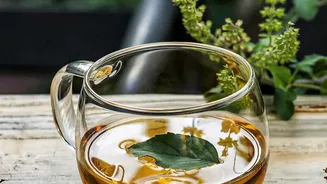
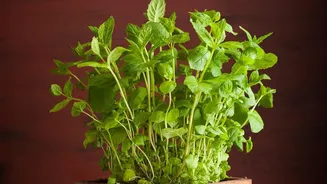
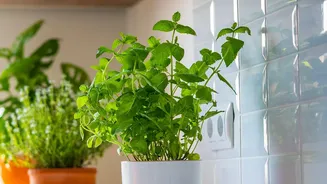
Mint, or pudina, is one of the most forgiving herbs for beginners and grows vigorously. In fact, its aggressive nature is why it's best grown in its own container, where it can't take over. A pot that is at least 8-10 inches wide is recommended. Mint is less demanding about light than Tulsi and can tolerate partial sun, making it suitable for windows that receive about 4-6 hours of light. It prefers soil that is consistently moist but not waterlogged. Water it whenever the top inch of soil feels dry. One of the best things about mint is how easily it propagates. You can grow a new plant simply by placing a cutting in a glass of water until roots form. Regular harvesting is key; trimming the sprigs frequently will encourage the plant to become bushier and more productive.
Cultivating Fresh Coriander
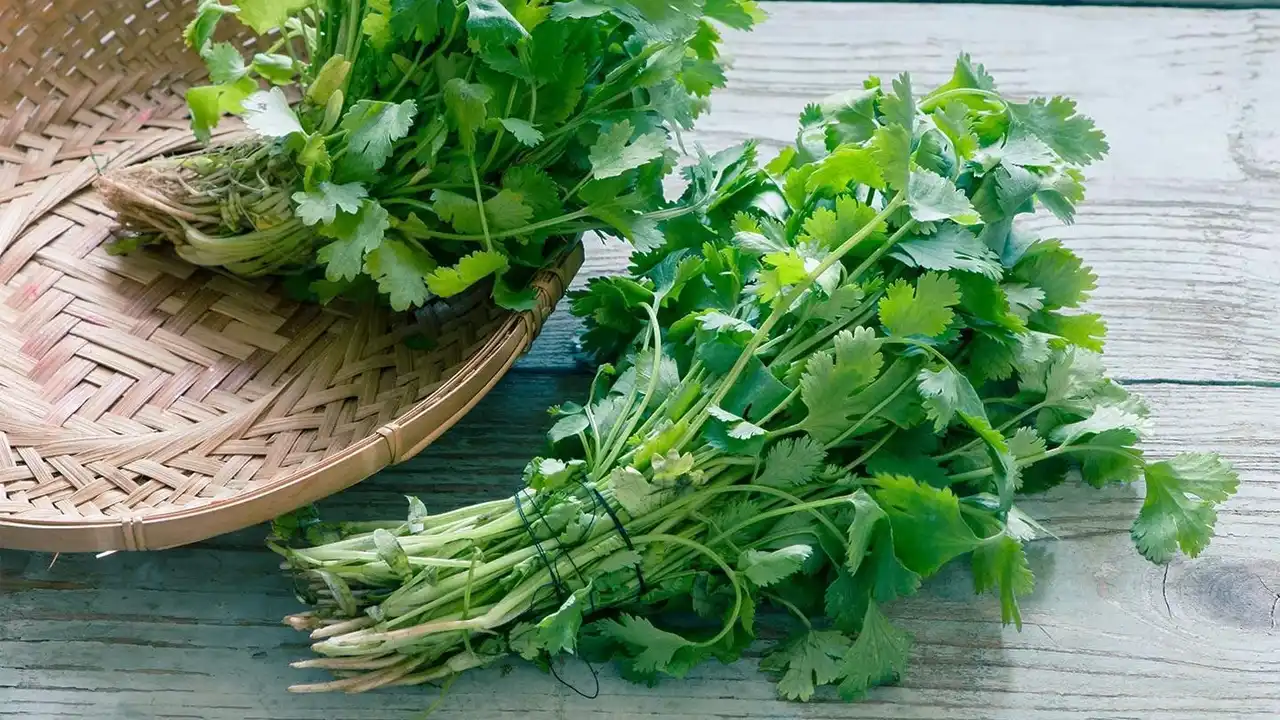
Coriander, or dhania, can be one of the trickier herbs to grow indoors because it has a fast life cycle and is prone to 'bolting' (flowering prematurely), especially if stressed. For the best results, it's recommended to grow coriander from seeds directly in its final pot, as it dislikes having its deep taproots disturbed by transplanting. Use a pot at least 8 inches deep. Gently crushing the whole coriander seeds into two halves before sowing can improve germination rates. Plant the seeds about half an inch deep. Coriander prefers cooler conditions and consistent moisture, so avoid placing it in a hot, dry spot. Water when the top inch of soil is dry. Because it bolts quickly, the best strategy for a continuous supply is succession planting—sowing a new small batch of seeds every 2-3 weeks.
Harvesting and General Care
For all these herbs, the harvesting technique is important. Never strip the plant of all its leaves at once. For Tulsi and Mint, regularly snip the top sets of leaves just above a leaf node. This encourages the plant to branch out and become fuller. For Coriander, you can cut the outer, larger leaves first, allowing the inner leaves to continue growing. Keep an eye out for common indoor pests like aphids and spider mites. If you spot any, you can often manage them by wiping them off or with a spray of insecticidal soap. During winter, growth will be slower, so you won't need to fertilise much, if at all. A small dose of organic compost once a month during the active growing season is plenty.