
The Power of Antioxidants in Greens
Green vegetables are celebrated for being rich in antioxidants, powerful compounds like Vitamin C and various polyphenols that protect our bodies from cellular damage. However, these beneficial nutrients can be delicate. They are sensitive to heat, light,
and water, meaning the journey from the pan to your plate can diminish their potency. Cooking, while essential for making some vegetables more digestible, introduces heat and sometimes water or oil, creating a complex equation for nutrient retention. The primary goal is to cook your greens in a way that softens them for enjoyment while keeping their nutritional integrity as intact as possible.
Steaming: The Gentle Method
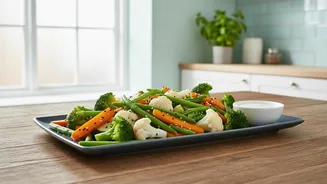
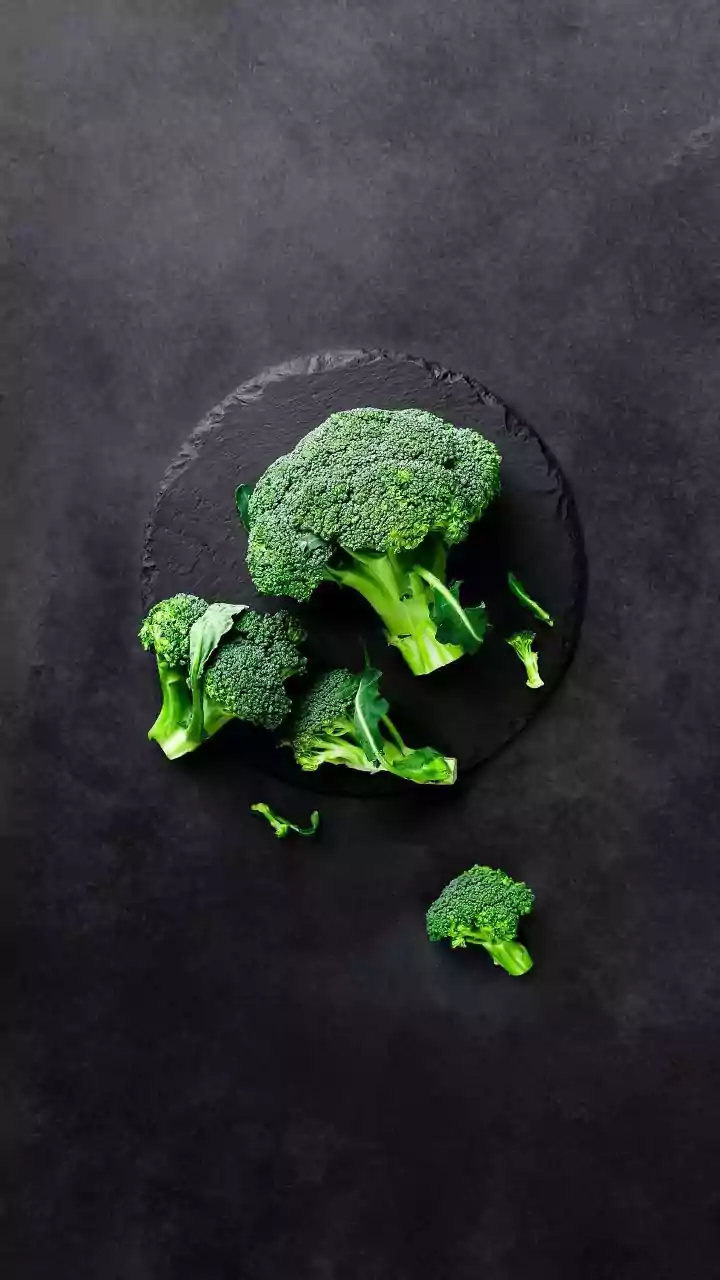
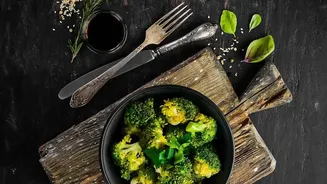
Steaming is widely regarded as one of the best cooking methods for preserving nutrients. Because the vegetables aren't submerged in water, water-soluble vitamins like Vitamin C and B vitamins are less likely to leach out. The process uses indirect heat from steam, which is generally less harsh than the direct, high heat of a frying pan. Studies on broccoli, for instance, have shown that steaming causes minimal loss of compounds like vitamin C and beneficial glucosinolates. This gentle cooking process helps vegetables retain their colour, texture, and most importantly, their antioxidant capacity, making it a superior choice for nutrient preservation.
Stir-Frying: The Sizzle and the Science
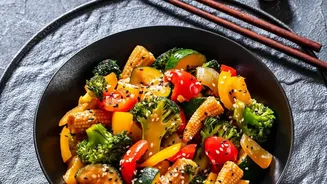
Stir-frying involves cooking food quickly in a small amount of oil over high heat. While this method can be healthy by limiting cooking time, the high temperatures can pose a challenge for sensitive nutrients. Research has shown that stir-frying can significantly reduce the amount of Vitamin C in vegetables like broccoli and cabbage. However, the story isn't entirely one-sided. The addition of oil can actually help your body absorb fat-soluble vitamins (A, D, E, K) and certain antioxidants. For some vegetables, like cauliflower, a quick stir-fry has even been shown to increase the availability of some cancer-preventive compounds compared to eating it raw. The trade-off is between the degradation of some compounds and the enhanced absorption of others.
Comparing the Nutrient Loss
When directly compared, steaming consistently comes out on top for preserving the most vulnerable antioxidants. For example, one study on red peppers found that stir-frying resulted in an antioxidant activity loss of about 5-16%, while steaming led to a higher loss of 22-30%. However, for broccoli, another study found steaming to be the best method for retaining nutrients, with stir-frying causing significant losses of Vitamin C, soluble proteins, and sugars. Boiling often results in the most significant nutrient loss, as vitamins leach into the cooking water. While stir-frying is better than boiling, it generally does not preserve water-soluble antioxidants as effectively as steaming does.
Tips for Maximum Nutrient Retention
To get the most from your greens, follow these simple guidelines. When steaming, cook vegetables until they are tender-crisp, not mushy, to minimize heat exposure. Don't let the vegetables touch the water in the bottom of the pot. If you choose to stir-fry, do it quickly. Use a healthy oil, keep the heat high, and keep the food moving to prevent burning and reduce overall cooking time. For an even healthier stir-fry, you can blanch the vegetables briefly before adding them to the wok, which can reduce the amount of oil needed and shorten the cooking time. Ultimately, the best cooking method is the one that encourages you to eat more vegetables, but being mindful of these techniques can boost your nutritional intake.