





The Unsung Hero: Lentils
The secret weapon for a smarter grocery budget is likely already in your kitchen: lentils. This versatile, inexpensive, and shelf-stable pulse has been a staple in cuisines around the world for centuries for good reason. Known as dal in many Indian households,
lentils are perfectly positioned to help you get more value from your food budget. They are significantly cheaper than animal proteins like meat and eggs, and because they can be stored for up to a year, they help reduce food waste from spoilage. A small amount of dry lentils can double or even triple in size when cooked, adding substantial bulk to any dish for just pennies per serving.
A Nutritional Powerhouse
Beyond their low cost, lentils are packed with nutritional benefits. They are an excellent source of plant-based protein and dietary fibre, which helps you feel fuller for longer. A single serving provides a significant amount of your daily needs for folate, iron, potassium, and manganese. For vegetarians and those looking to reduce meat consumption, lentils are a fantastic way to ensure adequate protein and iron intake. Their high fibre content also supports gut health and can help manage blood sugar levels, making them a smart choice for a balanced diet.
How to Stretch Your Meals
The real magic of lentils lies in their ability to 'stretch' other ingredients, particularly more expensive ones like minced meat. By replacing a portion of the meat in dishes like keema, bolognese sauce, or shepherd's pie with cooked lentils, you can make the meal go further without sacrificing texture or flavour. The lentils absorb the flavours of the dish, blending in seamlessly. This technique works well in chilli, tacos, and even when making burger patties or meatballs. You can start by substituting one-quarter of the meat with lentils and adjust the ratio to your family's preference. This not only cuts costs but also boosts the meal's fibre content.
More Than Just Dal and Soup
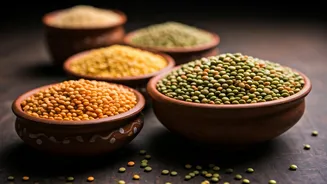
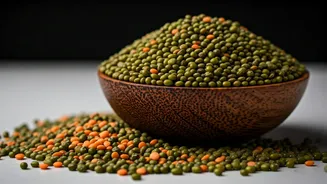
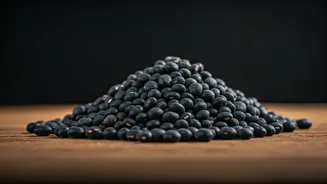
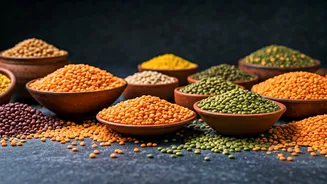
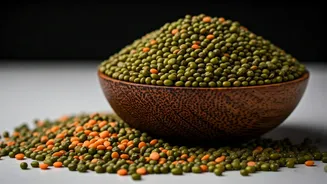
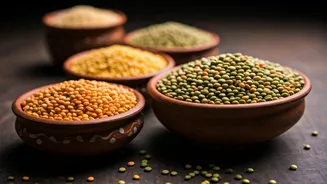
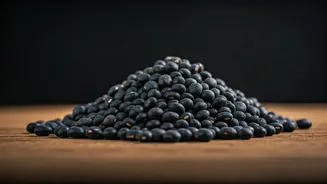
While lentil soup and dal are classic comfort foods, the versatility of this ingredient extends much further. Cooked lentils can form the base for hearty salads, be mashed into a spread similar to hummus, or used as a filling for wraps, stuffed peppers, and enchiladas. Different types of lentils offer different textures; firm green or black lentils hold their shape well in salads, while softer red lentils break down quickly, making them ideal for creating creamy soups, sauces, and curries. You can even use lentil puree to thicken stews or blend them into patties for vegetarian burgers.
Smart Shopping and Storage
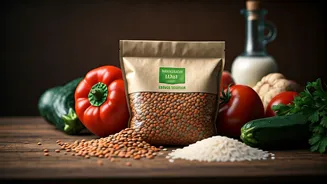
To maximize your savings, buy lentils dry from the bulk section or in bags, which is often cheaper than buying them canned. While canned lentils offer convenience, rinsing them before use is recommended to reduce their sodium content. Dry lentils are easy to prepare; unlike many other dried beans, they don't require pre-soaking and typically cook in 15-20 minutes. Store your dry lentils in an airtight container in a cool, dark place, where they can last for up to a year. You can also cook a large batch at the beginning of the week to easily add to meals, or freeze cooked lentils for up to six months.