



Layer Your Lighting
The biggest mistake in a dark room is relying on a single, harsh overhead light. This creates shadows and an uneven glare. Instead, professional designers use a technique called layering. This involves combining three types of light. Start with ambient
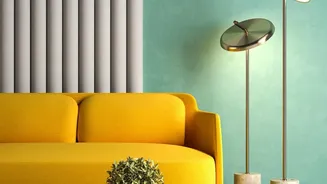
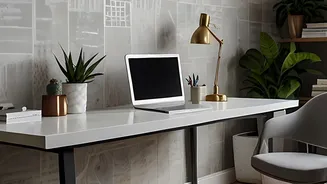
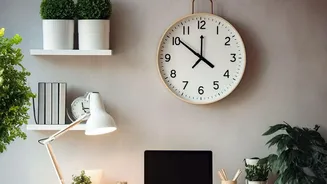
light—the room's main illumination—from a ceiling fixture with a diffuser to scatter light evenly. Then, add task lighting, which is a focused light for your work area, like an adjustable desk lamp. Finally, use accent lighting, such as a floor lamp in a corner, to bounce light off walls and eliminate dark spots. This multi-source approach makes the entire room feel brighter and more balanced.
Choose the Right 'Colour' of Light
Not all light bulbs are created equal. The 'colour temperature' of a bulb, measured in Kelvin (K), dramatically affects a room's feel. For a workspace, you want to mimic natural daylight to stay alert. Avoid warm, yellow bulbs (around 2700K), which are great for bedrooms but can make you feel sleepy in an office. Instead, opt for bulbs in the neutral or cool white range (4000K to 5000K). Also, pay attention to the Colour Rendering Index (CRI), which measures how accurately a light shows colours. A CRI of 90 or higher will ensure your space doesn't look dull and that colours appear true, which is essential for video calls and creative work.
Let Your Walls Do the Work
Paint is one of the most powerful tools for brightening a dark room. While pure white seems like an obvious choice, it can look flat and grey in a room without much light to reflect. Instead, consider off-whites, soft greys with warm beige undertones, or even gentle golds. These shades reflect whatever light is available, creating a sense of airiness without feeling stark. Lighter shades of green, lavender, or even terracotta can also add life and warmth. For an even greater effect, use a paint with a satin or eggshell finish, as these are more reflective than matte finishes.
Embrace the Power of Mirrors
Mirrors are an interior designer's secret weapon for dark spaces. They don't just create the illusion of a larger room; they grab and bounce any available light, whether natural or artificial. Placing a large mirror on a wall can dramatically increase the room's brightness. For best results, hang a mirror on the wall perpendicular to the room's primary light source, which helps spread the light around the space rather than bouncing it straight back. Even small reflective items, like metallic photo frames or a chrome lamp, can help scatter light and add a touch of brightness.
Choose Smart Furniture and Layout
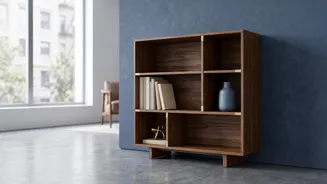
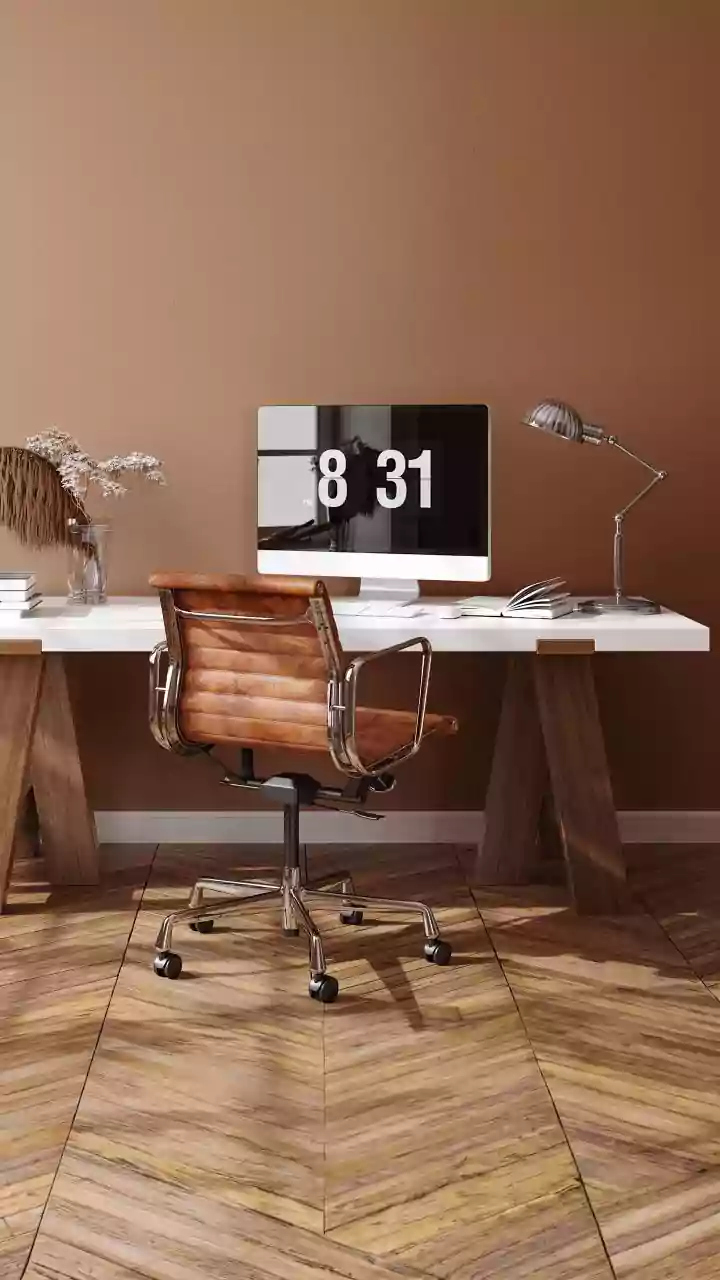
Heavy, dark furniture can absorb light and make a room feel smaller and more cramped. Opt for pieces that are lighter in colour—think light woods, whites, or greys. Furniture with a smaller footprint or 'leggy' designs (pieces raised off the floor on slender legs) allows light to pass underneath and around them, creating a more open feeling. Pay attention to your layout as well. Avoid blocking the room's main light source with bulky cabinets or shelves. A minimalist approach to furniture will keep the space feeling airy.
Declutter for a Brighter Mind
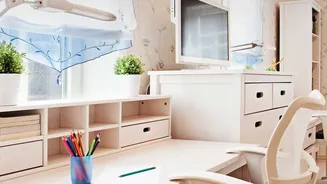
A cluttered desk and office don't just look messy; they create visual chaos that can make a space feel darker and more confined. Piles of paper and unnecessary items cast small shadows and absorb light. Take time to organize your workspace by getting rid of anything you don't need. Use smart storage solutions like file organisers, pen holders, and drawers to keep your desk clear. A tidy, minimalist surface reflects more light and promotes a feeling of calm and focus, which is just as important as physical brightness.
Bring the Outdoors In
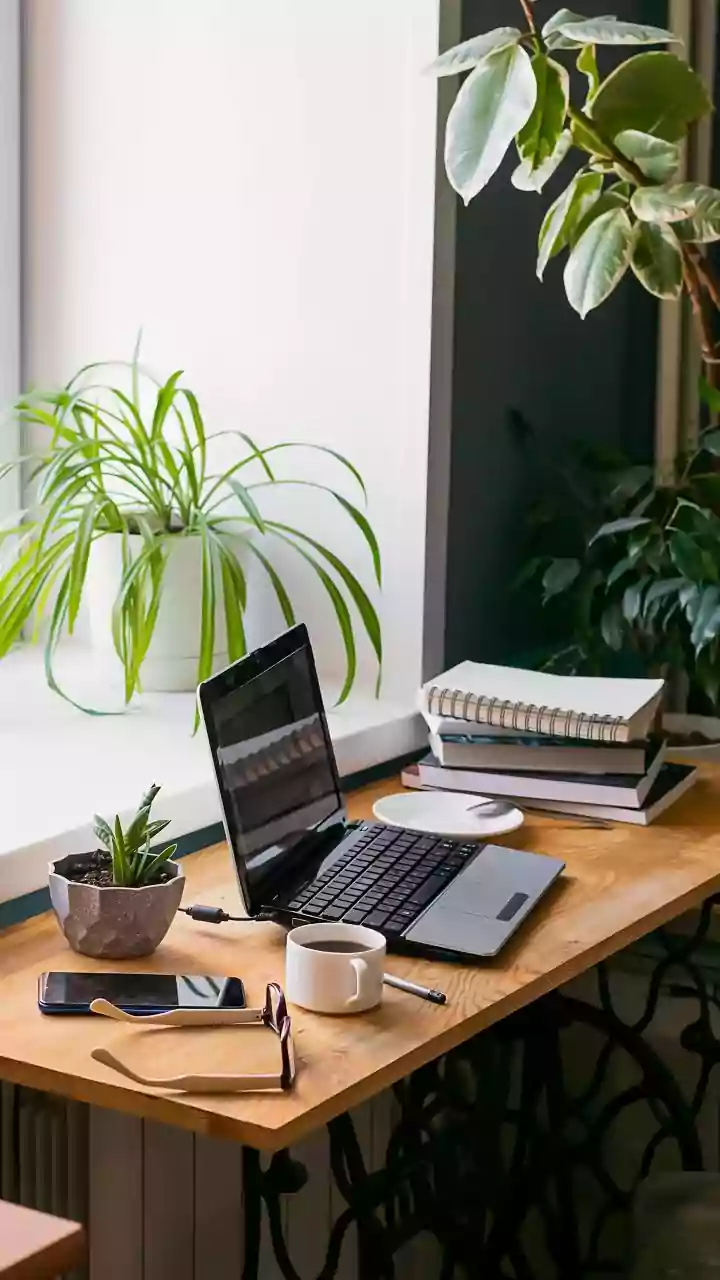
Even if you don't have a window with a view, you can still add a touch of nature to your office. Many houseplants thrive in low-light conditions and can make a sterile space feel vibrant and alive. Plants like the snake plant, ZZ plant, or pothos are famously resilient and require minimal sunlight. Adding greenery can boost your mood and productivity. The pop of natural colour breaks up monotonous walls and provides a psychological connection to the outdoors, helping to counteract the feeling of being in an enclosed space.