







The First and Most Obvious Hit: Your Fuel Bill
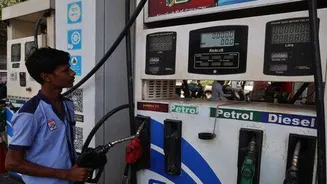
The most immediate and visible impact of rising crude prices is felt at the petrol pump. When the cost of raw crude oil goes up, the price for Indian refineries to import and process it also increases. While state-owned oil marketing companies can absorb
this shock for a short period, sustained high prices eventually lead to a hike in the retail prices of petrol and diesel. This is the first link in a long chain, as fuel prices are a foundational cost for the entire economy. Government intervention through measures like cutting excise duties can provide temporary relief, but this comes at a cost to public finances.
The Knock-On Effect: Higher Transportation Costs
Diesel is the lifeblood of India's logistics network. The vast majority of goods in the country, from fresh vegetables to factory components, are transported by trucks that run on diesel. When diesel prices rise, the cost of moving these goods goes up. Fuel can account for 40-50% of the total operating cost for a trucking business. Transporters often have little choice but to pass this increased cost on to their clients—the manufacturers, distributors, and farmers who need to ship their products.
At the Grocery Store: The Price on Your Plate
That increase in transportation costs doesn't just disappear. It gets baked into the final price of the products you buy every day. Everything that reaches your local market, including vegetables, grains, and packaged goods, carries a component of freight cost. If it costs more to transport onions from Nashik or apples from Himachal, you will eventually pay more for them at your neighbourhood vendor. The impact also extends to farming itself, as diesel is used to run tractors and irrigation pumps, adding another layer of cost to food production.
The Hidden Costs: Manufacturing and Beyond
The impact of expensive oil goes well beyond fuel and food. Crude oil derivatives are essential raw materials for a wide range of industries. Petrochemicals are used to make plastics for packaging, which means the cost of everything from a bottle of shampoo to a bag of chips can be affected. The paint, tyre, and specialty chemical sectors also rely heavily on petroleum-based inputs. Furthermore, industries like aviation are directly hit, as jet fuel is a major operating expense, potentially leading to higher airfares. This widespread cost increase contributes to general inflation, putting pressure on the entire economy.
Your Wallet and the Bigger Picture
On a macroeconomic level, persistently high oil prices have broader consequences. They increase India's import bill, which can weaken the rupee against the dollar and widen the current account deficit. A weaker rupee makes all imports, not just oil, more expensive. This imported inflation can eventually force the Reserve Bank of India to consider keeping interest rates high to control prices, which in turn makes loans like EMIs more expensive. So, while the immediate pain is at the pump, the ripples from a $97 barrel of oil can be felt across your entire household budget.