




The Great Makeup Reset
Just a few years ago, the dominant beauty aesthetic, driven by Instagram tutorials, was all about flawless, matte, high-coverage perfection. The 'Instagram Baddie' look involved layers of primer, foundation, concealer, and baking powder to create a poreless,
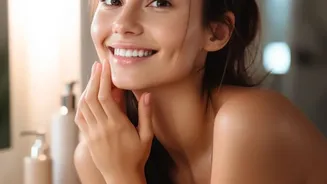
sculpted canvas. But trends, as they always do, have shifted. Today, the pendulum has swung dramatically in the opposite direction. Gen Z is leading the charge away from heavy pigments and towards 'skinimalism'—a philosophy that champions a minimal approach to makeup, allowing natural skin texture to shine through. This isn't about abandoning makeup entirely, but rather, reimagining its purpose from concealing flaws to enhancing the skin's natural radiance.
When Skincare and Makeup Collide
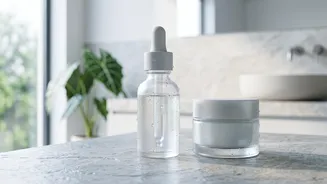
The single biggest driver of this shift is the 'skinification' of makeup. This buzzy term refers to the growing trend of makeup products formulated with active skincare ingredients. Think foundations infused with hyaluronic acid, concealers packed with vitamin C, or blushes containing squalane. For a generation raised on the importance of a multi-step skincare routine, it only makes sense that their makeup should work just as hard. Why simply cover the skin when your products can actively improve it throughout the day? This has led to an explosion of hybrid products that blur the lines between skincare and cosmetics, offering the best of both worlds: sheer coverage and tangible skin benefits.
Meet the Hydration Heroes
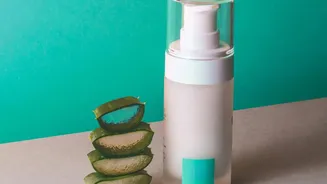
At the heart of this trend are a few key hydrating ingredients that are now staples in modern makeup formulations. Hyaluronic acid is the undisputed star, a humectant known for its ability to hold up to 1,000 times its weight in water, resulting in a plump, dewy look. Squalane, a lightweight and non-comedogenic oil, is another favourite for its ability to lock in moisture and mimic the skin's natural sebum, providing a soft, supple finish without greasiness. You'll also find glycerin, a reliable and effective humectant that draws moisture into the skin, and ceramides, which help to fortify the skin's natural barrier. These ingredients work to keep the skin hydrated and comfortable, preventing the dry, cakey look that can come with traditional heavy-pigment foundations.
Authenticity Over Alteration
This preference for lighter makeup is deeply connected to Gen Z's core value of authenticity. After years of seeing overly edited and filtered images online, there is a collective fatigue with unrealistic beauty standards. This generation is more inclined to celebrate real skin, including freckles, texture, and the occasional blemish. The goal is no longer to create a perfect mask but to look like the best version of oneself. Lightweight, hydrating formulas support this goal by evening out the skin tone and adding a healthy glow without erasing the features that make a face unique. It's a move towards makeup that builds confidence by enhancing, not hiding.
The Viral Influence of TikTok
Social media, particularly TikTok, has been instrumental in popularizing this trend. Unlike the static, polished photos of Instagram's past, TikTok's video format favours a more candid and unfiltered view. Beauty creators on the platform, often called 'skinfluencers', champion skin health and share routines focused on achieving a 'glass skin' or 'glazed donut' look—both of which prioritise hydration and glow over coverage. Viral trends like 'cloud skin' (a soft, diffused matte look achieved with minimal product) and the widespread popularity of dewy skin tints and serum foundations are born and amplified on the app. A product's ability to deliver a natural, healthy-looking finish is its new currency for viral success.