


Fashion: A Blend of Comfort and Craft
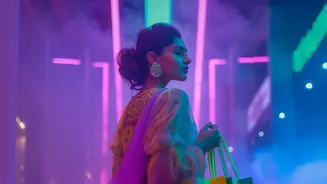
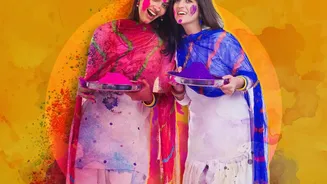
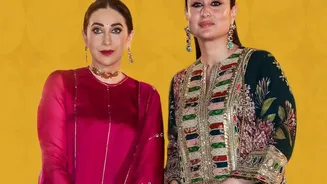
This Navratri, style is all about marrying comfort with traditional craftsmanship. While the classic chaniya choli remains a favourite for Garba nights, there's a noticeable shift in silhouettes and fabrics. For 2026, designers are focusing on flared
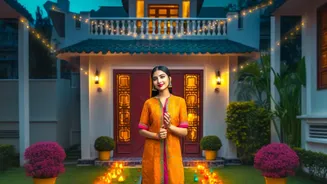
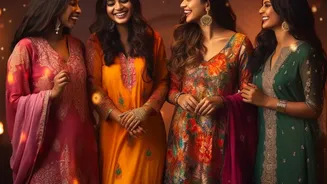
Anarkalis, sharara sets, and palazzo suits that allow for effortless movement during long nights of dancing. Indo-Western styles like dhoti pants paired with crop tops and lehengas styled with structured jackets are also gaining immense popularity, offering a fresh take on festive wear. The emphasis is on breathable, comfortable fabrics like cotton and rayon, which are perfect for hours of celebration. Many are opting for versatile pieces like Chikankari kurta sets that can be styled for daytime pujas and evening events, ensuring that festive outfits can be worn long after the nine nights are over.
The Palette: Deep Hues and Sustainable Choices
While the traditional nine colours of Navratri remain popular, 2026 sees a rise in deeper, jewel-toned shades. Expect to see a lot of emerald green, sapphire blue, rich ruby, and deep wine, especially for evening celebrations. Ivory paired with contrast mirror work is another quiet winner this season, offering an elegant and sophisticated look. Beyond the colour palette, there is a growing movement towards sustainability. Consumers are actively seeking out eco-friendly fabrics like organic cotton, Khadi, and linen. Brands that focus on handloom textiles, natural dyes, and ethical practices are finding favour with shoppers who want to make a conscious fashion choice. The idea is to invest in timeless pieces that support local artisans and can be restyled and reworn for years to come.
Accessorising the Look
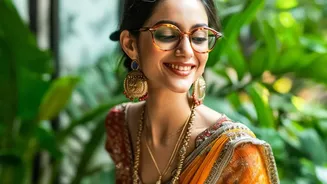
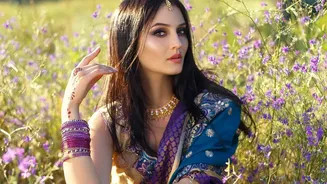
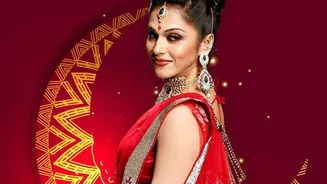
No Navratri outfit is complete without the right accessories. Oxidised silver jewellery, especially chunky jhumkas and necklaces, remains the top choice to complement the vibrant ethnic wear. A key trend for 2026 is intentional styling: pairing gold jewellery with warm-toned outfits (red, yellow, orange) and silver with cool tones (blue, green, grey). Traditional potli bags, colourful bangles, and embroidered juttis or mojaris are essential for completing the look. When it comes to footwear, comfort is key. While block heels and wedges are popular for photo-ops, cushioned juttis are the preferred choice for Garba, allowing for hours of comfortable dancing.
Food: Fasting Feasts Get a Modern Makeover
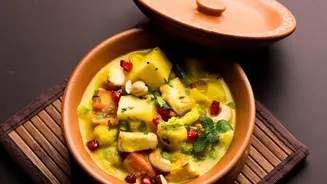
Navratri fasting food is no longer limited to the usual suspects. While classics like Sabudana Khichdi, Kuttu Puris, and Aloo Sabzi are still beloved, there's a wave of innovation in vrat-friendly cuisine. People are looking for variety and healthier options. Flours like rajgira (amaranth) and singhara (water chestnut) are being used to create everything from parathas to cheelas. Dishes like Samak Rice Pulao (barnyard millet), Makhana Kheer, and Sweet Potato Tikkis are becoming staples, offering both nutrition and flavour. The focus is on creating balanced, light, and digestible meals that provide sustained energy throughout the day.
Conscious and Convenient Consumption
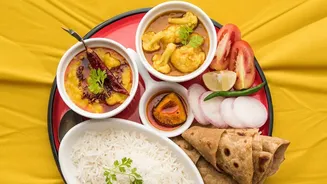
The modern, conscious mindset extends to food choices as well. There is a growing demand for healthy and innovative fasting options, leading to modern twists like kuttu pancakes and vrat-friendly smoothie bowls. Many are choosing natural sweeteners like jaggery and dates over refined sugar and opting for baking or shallow-frying over deep-frying to keep meals healthy. Convenience is another major driver, with a significant increase in online shopping for groceries and festive items. With busy schedules, ready-to-eat vrat meals and curated fasting thalis are also becoming popular, allowing people to observe the fast without spending hours in the kitchen.