






The Invisible Epidemic
Hidden hunger is a form of malnutrition where a person's diet provides enough calories but lacks essential vitamins and minerals like iron, vitamin A, and zinc. Unlike starvation, its signs are not always obvious, yet the consequences are severe, including
weakened immune systems, stunted physical and intellectual growth, and increased risk of chronic diseases. In India, the problem is staggering. Over 80% of the population is estimated to suffer from micronutrient deficiencies, with nearly half of the world's hidden hunger burden residing within the country. National surveys reveal alarming rates of anaemia, particularly among women and children, a direct consequence of this invisible epidemic.
The Double-Edged Sword of the Green Revolution
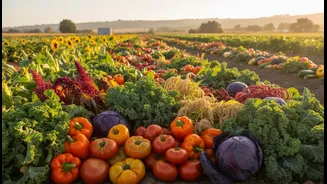
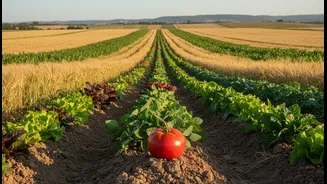
To understand the roots of this issue, we must look back at the Green Revolution. While this agricultural movement was successful in boosting food production and averting famine by focusing on high-yield varieties of rice and wheat, it had an unintended side effect. It encouraged a shift towards monoculture, where vast farmlands were dedicated to just a few staple crops. This came at the expense of dietary diversity. Traditional, nutrient-rich crops like millets, pulses, and indigenous vegetables, which were once staples, saw a decline in cultivation and consumption. As a result, diets became dominated by a few carbohydrate-heavy cereals, filling plates and stomachs but leaving a significant nutritional void.
The Power in Our Agricultural Heritage
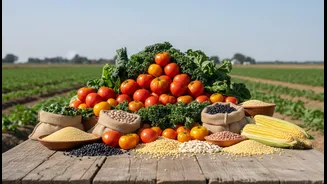
The solution to this crisis may lie in reclaiming our agricultural heritage. India is home to a vast diversity of traditional crops that are both nutritious and resilient. Millets—such as jowar (sorghum), bajra (pearl millet), and ragi (finger millet)—are powerhouses of nutrition, packed with iron, calcium, and fibre. These crops are also climate-smart, requiring less water and being more resistant to drought, making them ideal for India's varied agro-climatic zones. By promoting the cultivation of these and other local vegetables and pulses, we can reintroduce vital micronutrients back into our food system. This process, known as dietary diversification, is a cornerstone of tackling hidden hunger.
Making Nutrition Affordable and Accessible
A key argument for focusing on local crop diversity is its direct impact on availability and affordability. When communities grow a wider variety of foods locally, these foods become more accessible and often cheaper. Dependence on a few staple crops often subjects markets to price volatility and long supply chains that add to the cost. In contrast, locally produced millets, greens, and vegetables can be sold in local markets or consumed directly by farming households, cutting out intermediaries and transportation costs. This improves food security and makes a nutritious diet a viable option for low-income families, not a luxury.
A Path Forward Through Policy and Choice
Recognising this potential, there has been a significant push from both government and civil society. Initiatives like the National Food Security Mission and state-level millet missions in places like Odisha and Haryana are working to revive millet cultivation by offering price support to farmers and integrating these grains into public distribution systems. The declaration of 2023 as the International Year of Millets by the UN, at India's suggestion, has further boosted awareness. These policies aim to create a virtuous cycle: creating a market for diverse crops incentivises farmers to grow them, which in turn increases their availability for everyone.