



The Monsoon and Your Gut
The rainy season in India is a magical time, but it's also notorious for causing digestive distress. According to both modern science and Ayurvedic wisdom, the combination of high humidity and lower temperatures can weaken our digestive fire, or 'agni'.
This makes our bodies more susceptible to infections, bloating, and other stomach issues. The risk of waterborne and foodborne illnesses also increases, putting our gut health under significant pressure. It's a time when our immune system is working overtime, and much of that immune response is regulated by the trillions of microbes living in our digestive tract.
Why Fermentation is the Answer
This is where the wisdom of our ancestors provides a powerful solution. Fermented foods are experiencing a resurgence as people rediscover their incredible health benefits. Fermentation is a natural process where microorganisms like bacteria and yeast break down components in food, making them more nutritious and easier to digest. These foods are packed with probiotics—live, beneficial bacteria that help restore balance to our gut microbiome. A healthy gut flora is essential for proper digestion, nutrient absorption, and a robust immune system, which is precisely what we need during the vulnerable monsoon months.
India’s Probiotic Powerhouses
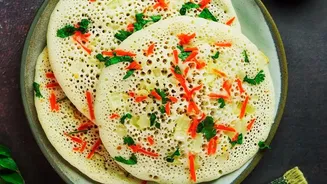
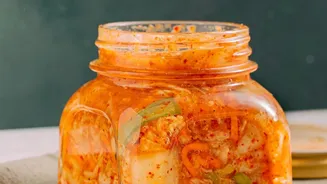
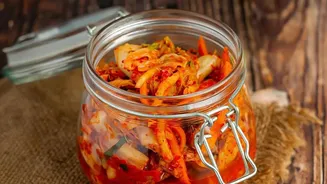
Indian cuisine is rich with probiotic foods that are perfect for the monsoon. Dahi (curd) is perhaps the most common, a staple in countless households that provides a daily dose of beneficial bacteria. Lighter alternatives like Chaas (buttermilk) are also excellent, being both hydrating and soothing for the stomach. In the south, the fermented batter for Idli and Dosa makes these popular dishes light, easy to digest, and great for gut health. From the north comes Kanji, a tangy, fermented drink traditionally made with black carrots or beetroot and mustard seeds, known to be rich in probiotics. Even traditional, homemade Achaar (pickles), when prepared through lacto-fermentation without vinegar, can be a great source of good bacteria.
More Than Just Probiotics
The benefits of these foods go beyond just providing probiotics. The fermentation process essentially pre-digests the food, breaking down complex components and anti-nutrients. This increases the bioavailability of essential vitamins and minerals like B vitamins, iron, and zinc, meaning our bodies can absorb them more easily. Furthermore, the compounds created during fermentation can have anti-inflammatory effects, which helps support overall health and reduces the burden on our immune system. By incorporating these foods, you're not just adding bacteria; you're consuming a nutrient-dense, easily digestible, and immune-supporting superfood.
Embracing the Trend Safely
While this trend is rooted in tradition, it's important to approach it with a modern understanding of hygiene, especially during the monsoon. The best choice is always freshly prepared, homemade fermented foods. For curd, this ensures it's full of live cultures, unlike some commercially packaged yogurts that may be heat-treated. When it comes to foods like idli, dosa, or pickles, ensuring they are prepared and stored hygienically is crucial to prevent contamination. Some Ayurvedic texts suggest moderating certain fermented foods if your digestion is very weak, so it's always best to listen to your body. The goal is to support your system, not overload it. Start with small portions and enjoy the flavours and benefits of these traditional wellness secrets.