


A New Chapter for Kukrail Forest
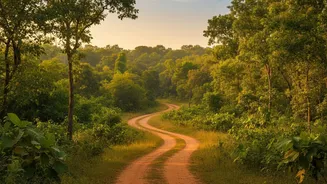
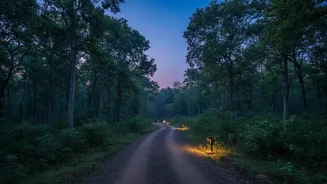
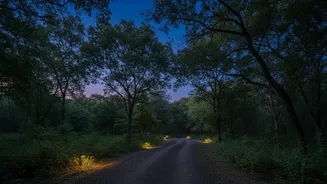
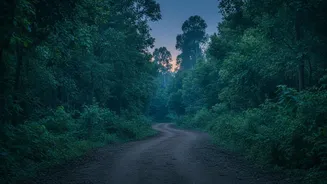
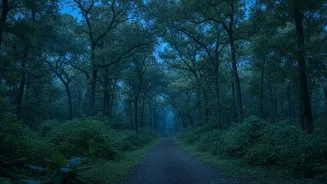
Set within the sprawling Kukrail Reserve Forest, an established green lung on the outskirts of Lucknow, the upcoming Night Safari is poised to become a landmark attraction. The project recently received a significant green light from the Supreme Court,
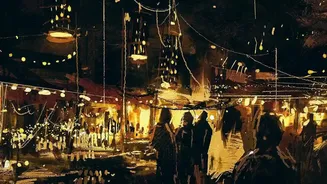
clearing the path for its development. Inspired by the successful Singapore Night Safari, the Lucknow version aims to offer a unique opportunity to observe nocturnal wildlife in a carefully controlled, naturalistic setting. The park is part of a larger integrated project that will also include a modern zoo and other facilities, transforming the area into a major eco-tourism hub. The entire initiative is spread over a significant portion of the reserve, promising a large-scale, immersive experience.
Conservation at the Core
Long before the night safari was conceived, the Kukrail forest was already a hub for conservation. It is home to an internationally recognised Gharial Rehabilitation Centre, which has been instrumental in breeding and releasing the endangered species for decades. This foundational commitment to wildlife protection is a cornerstone of the new project. The safari's design incorporates existing conservation hubs and aims to upgrade them. Plans include dedicated conservation breeding facilities and a rescue centre, ensuring the park is not just for show, but serves a vital purpose in protecting and studying wildlife. The Supreme Court's approval came with strict conditions to ensure minimal environmental impact, mandating that only essential tree-felling occurs and that all guidelines from environmental and zoo authorities are followed.
Designing the Visitor Journey
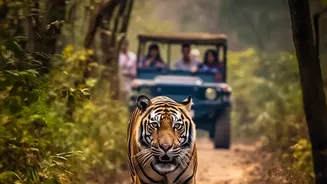
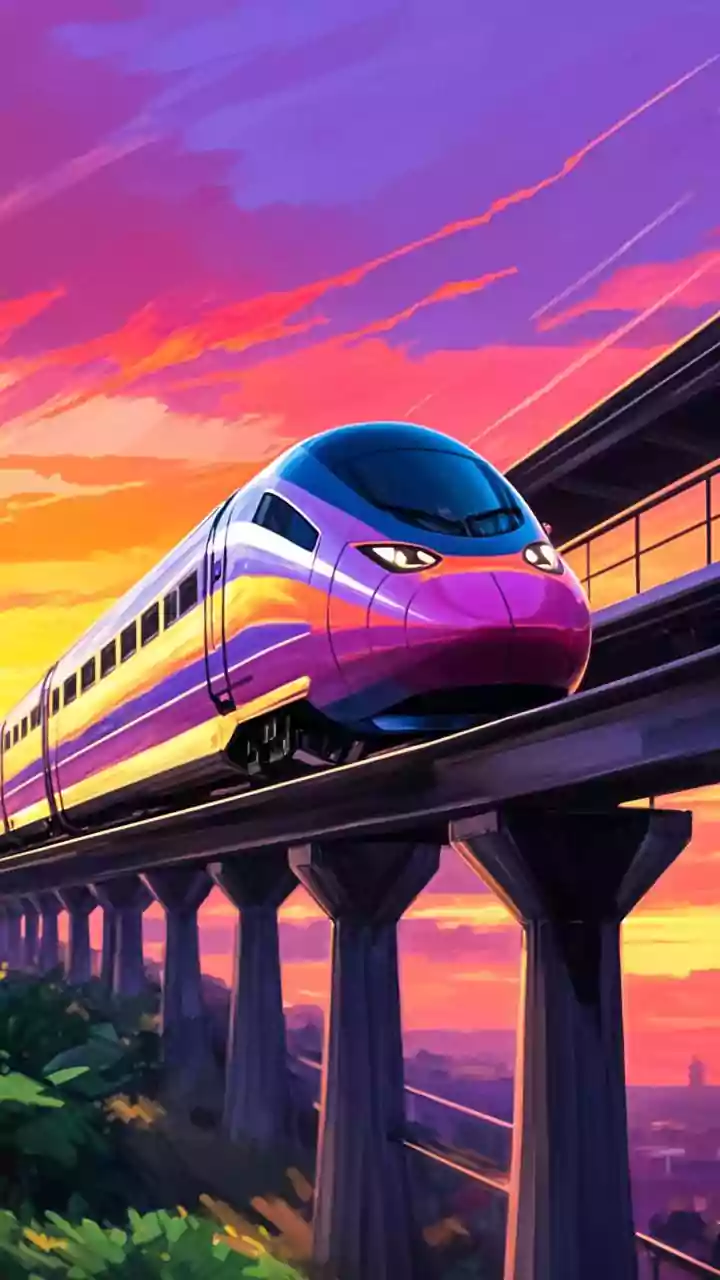
The experience for visitors is being meticulously planned to be both thrilling and non-intrusive. The main attraction will be a safari ride on specially designed electric trams. These quiet vehicles will move through the park under a simulated moonlight system, designed to allow clear viewing without disturbing the animals' natural behaviour. This 40-minute journey will take guests through different theme-based zones showcasing various habitats. Beyond the tram ride, the master plan includes nature trails, an interpretation centre to educate visitors about the wildlife, and even a 7D theatre for an immersive experience, although some proposed adventure elements are under review.
Meet the Nocturnal Residents
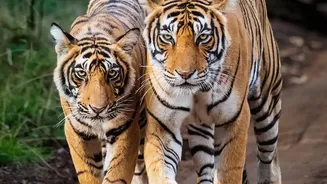
A night safari's magic lies in seeing animals when they are most active. The Kukrail project plans to house a diverse range of species in large, naturalistic enclosures separated by moats or glass barriers for safety and clear viewing. Visitors can hope to see iconic Indian wildlife like Bengal tigers, Asiatic lions, and leopards. Other nocturnal creatures such as hyenas and flying squirrels are also part of the proposed animal population. With plans for dozens of enclosures, the safari could eventually be home to over 50 animal species, providing a comprehensive look at India's nocturnal biodiversity.
The Road to Opening
While the Supreme Court's clearance in July 2026 was a major milestone, the safari will take time to build. The project is being developed in phases, with the night safari being the primary focus of the first phase. A modern day-zoo is planned for the second phase. Initial timelines suggested a potential opening date around late 2026 or into 2027, but large-scale construction projects often have shifting schedules. The government is pushing for completion, and with the legal hurdles cleared, work is expected to proceed steadily. For now, wildlife enthusiasts can look forward to official announcements on ticketing and a firm opening date as the project progresses.