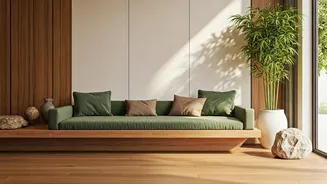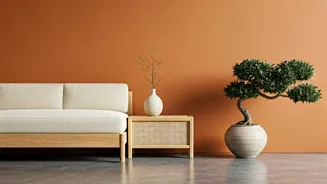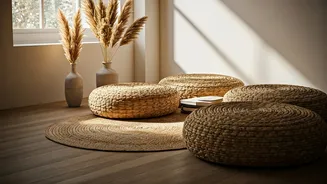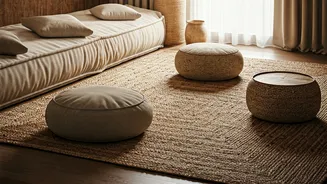







The Shift Away From Stuffocation
For years, the Indian living room was a proud display of prosperity. A large sofa set, a heavy centre table, multiple side tables, and display cabinets filled with curios were symbols of a well-settled life. But a quiet revolution is underway. The post-pandemic
world, which forced us to live, work, and exercise in the same space, has fundamentally changed our relationship with our homes. We realised that a room packed with furniture, even beautiful furniture, can feel suffocating. The new luxury isn't about how much you can fit into a room; it's about how much peace and functionality you can get out of it. This shift is towards 'mindful' living, where every object and every square foot of space serves a purpose and contributes to a sense of calm, not chaos.
What Defines a Mindful Floor Plan?
A mindful floor plan isn't about stark, cold minimalism. It’s a thoughtful approach to interior design that prioritises human experience over mere aesthetics. The core idea is to create a space that breathes. This is achieved through three key principles: flow, function, and feeling. 'Flow' refers to how easily people can move through the room. Are there clear pathways, or do you have to navigate an obstacle course of furniture? 'Function' means that the layout supports the activities you actually do in the room, from hosting guests to enjoying a quiet cup of chai. 'Feeling' is the emotional response the room evokes—it should be a space that reduces stress, not induces it. It’s a design philosophy that asks, “How do we want to live here?” before asking, “What can we put here?”
Create Zones for Living
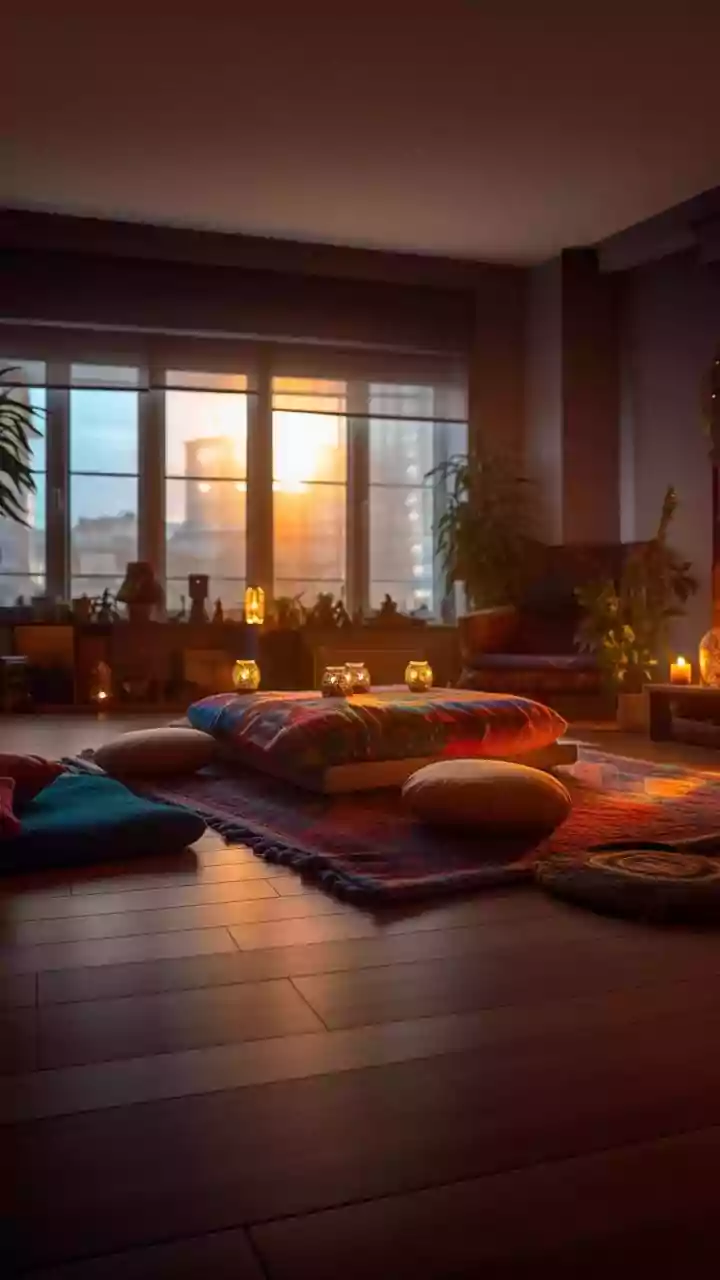
Instead of letting a single, bulky sofa set dictate the entire room, think in terms of zones. A mindful floor plan carves out distinct areas for different activities within the same open space. You might have a conversation zone with two comfortable armchairs facing each other, a reading nook with a single chair and a good lamp, and a media zone for the television that doesn’t dominate the entire room. This approach makes the living room more versatile and encourages different family members to use the space simultaneously without getting in each other's way. It breaks the monolithic function of the living room into a multi-purpose hub that adapts to the family's needs throughout the day.
Furniture That Works Smarter
The key to a simple floor plan is intentional furniture selection. Move away from heavy, immovable pieces and towards lighter, more adaptable options. Consider a modular sofa that can be reconfigured, a 'nest' of tables that can be spread out when guests are over and tucked away otherwise, or an ottoman that serves as a coffee table, extra seating, and storage. In urban Indian apartments where space is a premium, multi-functional furniture is a game-changer. The goal is to choose pieces that are appropriately scaled for the room. A massive sofa in a small living room will make the space feel cramped, no matter how beautiful it is. Choosing sleeker designs with visible legs can also create an illusion of spaciousness by allowing you to see the floor underneath.
The Power of Negative Space
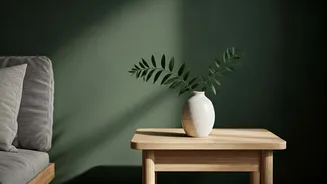
In design, the space you leave empty is just as important as the space you fill. This is called 'negative space', and it's the secret ingredient to a calm and uncluttered home. An overstuffed room has no breathing room; your eyes have nowhere to rest, which can create a feeling of subconscious anxiety. By strategically leaving some walls bare, keeping surfaces clear, and ensuring there is ample space around your furniture, you allow each piece to stand out. This 'breathing room' makes the entire area feel larger, more luxurious, and significantly more serene. It’s not about having less; it's about making what you have more impactful.