



Your Monsoon Potting Strategy
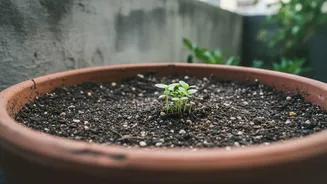
Success with container gardening during the rainy season hinges on one critical factor: drainage. Constant rain can quickly lead to waterlogged soil, which suffocates roots and invites fungal diseases. Before you plant, ensure your pots have ample drainage holes.
A smart potting mix for monsoon is one that doesn't retain excessive water. Consider a blend of garden soil, compost, and a material like coco peat or coarse sand to keep the mixture light and well-aerated. It's also wise to elevate your pots on bricks or stands. This simple step prevents the drainage holes from sitting in puddles, ensuring excess water can always escape freely.
1. Mint (Pudina)
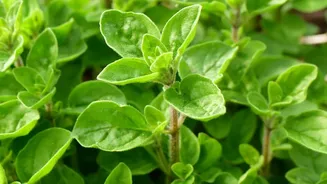
Mint is arguably the most forgiving herb for a monsoon garden. It thrives in cool, moist conditions and is perfectly happy in partial shade, making it ideal for balconies that don't receive direct sun all day. In fact, some afternoon shade protects it from the intense sun that can sometimes break through the monsoon clouds. Mint is a vigorous grower, so it's best to give it a separate pot to prevent it from taking over its neighbours. Use a well-drained pot and keep the soil consistently moist but not soggy. Regular harvesting is key; pinching leaves frequently encourages the plant to grow bushier and provides you with a steady supply for chutneys and teas.
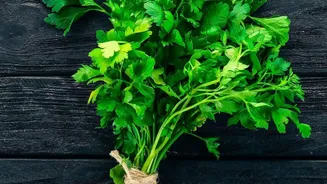
2. Coriander (Dhania)
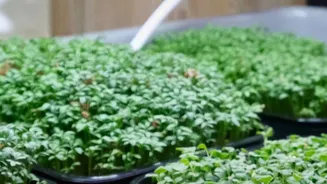
Fresh coriander is a kitchen essential, and the good news is that it can grow well during the cooler, wetter months. Coriander prefers cooler conditions and can bolt (flower prematurely) in intense heat, making the monsoon an opportune time for cultivation. It performs well in spots that get partial shade. You can grow it easily in shallow, wide pots. Sow seeds every few weeks to ensure a continuous supply, as each plant has a relatively short life cycle. The key to healthy coriander is good drainage and avoiding overcrowding, which can lead to rot in the humid environment.
3. Holy Basil (Tulsi)
An herb with immense cultural and medicinal significance, Tulsi is a resilient plant found in many Indian homes. While it enjoys sunlight, it can adapt to spots with indirect light for a few hours a day, especially during the monsoon when direct sun is scarce. The primary challenge with Tulsi during the rains is overwatering. It is crucial to let the top layer of soil dry out before watering again. A well-draining pot is a must. To encourage a fuller, leafier plant, regularly pinch off the flowering heads. Shielding the plant from the heaviest downpours can also prevent damage and waterlogging.
4. Lemon Balm
A delightful member of the mint family, Lemon Balm is easy to grow and offers a wonderful citrusy fragrance. It is quite tolerant of shady conditions and thrives in indirect light, making it another excellent candidate for a low-light balcony. Like mint, it appreciates moist soil but needs good drainage to prevent its roots from sitting in water. Its calming, lemony scent can be a refreshing addition to your home during the damp monsoon months, perfect for brewing a soothing tea. Growing it in a container helps manage its spread.
Guarding Against Monsoon Problems
The high humidity of the monsoon is an open invitation for pests like slugs and fungal diseases. Ensure there is good air circulation around your plants by not placing them too close together. Regularly inspect the leaves for any signs of trouble, such as spots or mould, and remove any yellowing or dead leaves promptly to prevent the spread of disease. It's also important to check for and remove any algae that may form on the soil surface due to the constant dampness.