





From Static Commands to Dynamic Conversations
For years, interacting with AI felt like using a vending machine. You would input a simple command and get a predictable, often generic, output. This is static prompting. "Translate this script into Hindi" is a static prompt, and it often results in literal,
lifeless translations that miss idioms, subtext, and cultural flavor. Dynamic prompting, however, is more like a conversation. It's an iterative process where a writer guides the AI with layered instructions and context. Instead of a single command, the writer provides a detailed brief, refining the AI's output through a series of prompts that build on each other, steering the machine toward a more nuanced result.
Teaching AI to be Culturally Intelligent
The core problem with AI in creative fields has always been its cultural ignorance. Models trained on vast, unfiltered internet data often default to Western norms and perspectives, flattening unique cultural details into a generic paste. Dynamic prompting tackles this head-on by making cultural context an explicit instruction. A writer can 'nudge' the AI to consider specific cultural values. For example, instead of just asking for dialogue, a writer can instruct the AI to "Write a conversation between a daughter and her father in a Punjabi family. The tone should be respectful but show the daughter's modern aspirations. Reference the Lohri festival, but ensure it's portrayed as a family gathering, not a religious ceremony." This level of detail is key.
The Writer's Co-Pilot, Not the Replacement
Fears of AI replacing human artists are common, but in scriptwriting, these tools are being positioned as collaborators, not competitors. Think of a dynamic prompt tool as a powerful co-pilot. It can generate multiple versions of a scene, suggest culturally specific slang, or brainstorm plot points that align with a regional festival's traditions. Research frameworks like 'HoLLMwood' even propose using AI in different roles, such as an 'Editor' that provides feedback or 'Actors' that can role-play dialogue to test its authenticity. This allows the human writer to stay in the director's chair, using the AI to accelerate brainstorming and versioning while retaining full creative control.
A Perfect Fit for India's Media Landscape
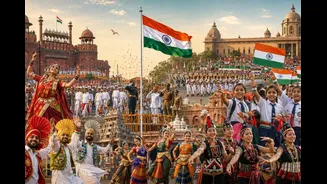
India, with its kaleidoscope of languages, dialects, and hyper-local cultures, is a perfect environment for this technology. The demand for content that speaks authentically to audiences in Tamil Nadu, West Bengal, or Maharashtra cannot be met with one-size-fits-all filmmaking. OTT platforms, in their quest to capture pan-Indian viewership, are constantly navigating this challenge. AI tools that can be dynamically prompted to understand the difference between urban Mumbai slang and the dialect of a rural Maharashtrian village offer a significant advantage. They enable creators to scale the production of localized content, helping to ensure that a story set in Hyderabad feels genuinely Hyderabadi, not like a generic story with a few local landmarks dropped in.
The Human Element Remains Crucial
Despite the advancements, the technology is not a magic wand. The quality of the AI's output is entirely dependent on the quality of the human's input. The writer's own cultural knowledge and sensitivity are what make the prompts effective. These tools cannot create authenticity from scratch; they can only reflect and refine the authenticity provided by the human creator. An AI might suggest a regional idiom, but only a human writer can judge if it feels earned and true to the character. It is a powerful tool for enhancing creativity, but the final verdict on what is culturally respectful and emotionally resonant still rests with the human storyteller.