




What Are Microplastics Anyway?
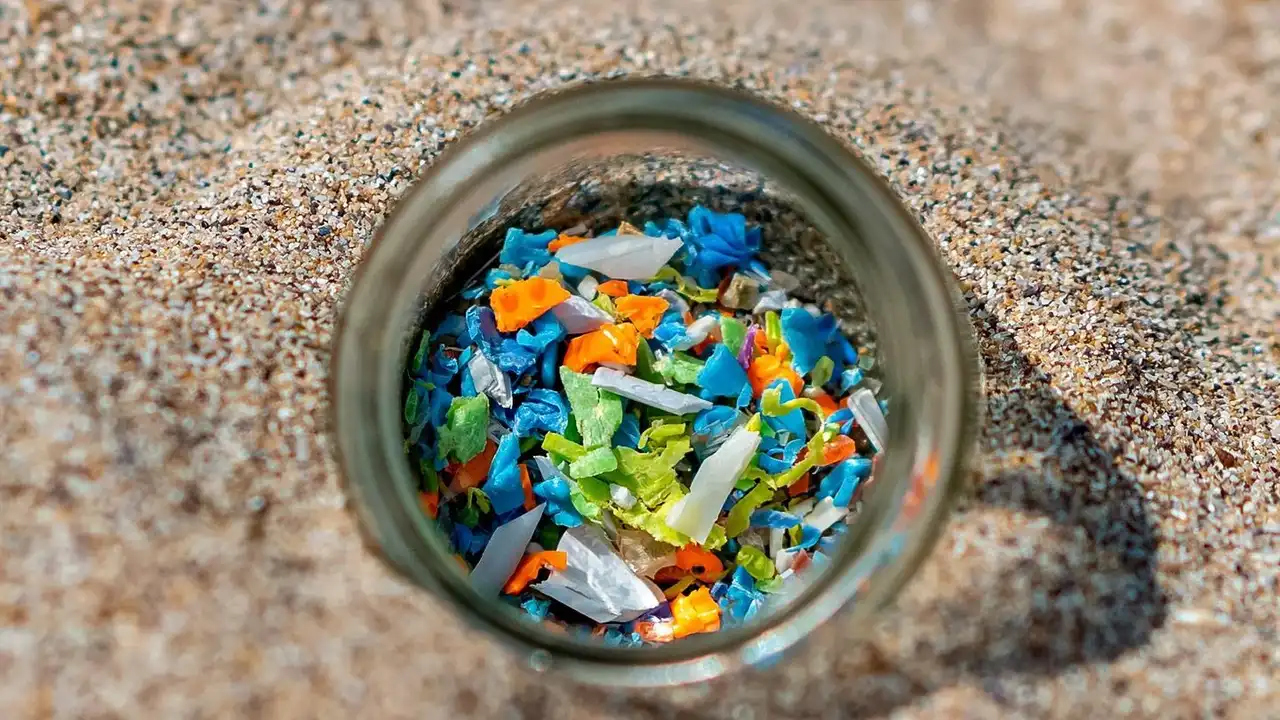
Microplastics are tiny plastic particles, technically defined as being smaller than five millimetres. They come from the breakdown of larger plastic items, like bags and bottles, or are manufactured as small particles for use in products. Even smaller are nanoplastics,
which are measured in billionths of a metre, so tiny they can potentially pass through the digestive tract and into the bloodstream. While they are found almost everywhere in the environment, from ocean water to the air we breathe, the focus is increasingly turning to a more direct route of exposure: our food.
The Packaging-to-Plate Pathway
Recent research shows that plastic packaging can shed these particles directly into the food and drinks it contains. This process, known as migration, can happen through simple mechanical stress, like twisting a bottle cap or tearing open a plastic wrapper. However, certain conditions dramatically accelerate this release. Factors like heat, abrasion from utensils, prolonged storage, and contact with acidic or fatty foods can cause plastic to break down faster. This means that some of our most common food habits could be contributing to our microplastic intake.
The Problem with Heat
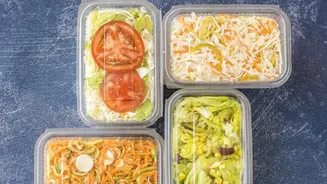
Heating is a primary concern. Many studies have found that microwaving food in plastic containers can release a staggering number of particles. One 2023 study found that some polypropylene containers, often labelled 'microwave safe', released millions of microplastics and billions of nanoplastics per square centimetre after just three minutes of heating. It’s important to understand that 'microwave safe' is a structural rating—it means the container won't melt or warp, but it says nothing about the release of plastic particles or chemicals. Reports also show that hot liquids in plastic-lined cups or even plastic teabags can be significant sources of microplastics.
What Does the Research Say?
A growing body of evidence confirms that microplastic migration is happening. One 2026 analysis estimated that about 1,000 tons of microplastics transfer from packaging to food each year globally. PET bottles, the kind often used for water and soft drinks, are cited as a major contributor. Studies have also found that older, scratched, or repeatedly washed containers tend to release more particles than new ones. While packaging is not the only source of microplastics in our diet, its direct and prolonged contact with what we consume makes it a significant pathway for ingestion.
The Big Question: Are They Harmful?
This is the crucial question, and the answer is still being determined. Currently, major regulatory bodies like the U.S. FDA state that the existing evidence does not show the levels of microplastics found in food pose a risk to human health. However, research is ongoing and far from complete. Concerns from some scientists centre on two potential risks. First, the physical particles themselves could cause inflammation or other issues. Second, these plastics can carry chemical additives, like phthalates and bisphenols, which have been linked in some studies to hormone disruption and other health problems. One lab study showed that high concentrations of particles released from containers caused significant damage to cultured human kidney cells. More research on direct human health impacts is urgently needed.
Simple Steps to Reduce Exposure
While scientists work to understand the full picture, consumers can take simple, practical steps to minimise their potential exposure. A good first step is to avoid heating food in any plastic container. Transfer food to glass or ceramic dishes before microwaving. Try to use alternatives to plastic for food storage, such as glass jars or stainless steel containers, especially for hot, acidic, or oily foods, which can speed up particle release. Opting for fresh, unpackaged foods over heavily processed and packaged ones can also reduce contact with plastics. When using plastic containers, handle them gently and consider replacing any that are old or heavily scratched.