
Why This Year Is Special
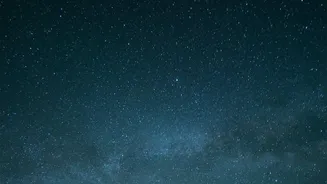
The secret to a great meteor shower is darkness. This year, the Perseids’ peak coincides perfectly with a new moon. This means the sky will be exceptionally dark, free from the glow of moonlight that often washes out all but the brightest meteors. This absence
of natural light pollution creates ideal conditions for spotting the fainter, more numerous shooting stars that are often missed. In a typical year, you might see the big, bright 'fireballs', but in 2026, the deep darkness will allow your eyes to catch the more delicate, fleeting streaks of light, potentially increasing the number of meteors visible per hour to between 50 and 100 under perfect conditions.
Understanding the Perseids
So, what are we actually seeing? The Perseid meteor shower occurs every year when Earth passes through the trail of debris left behind by a massive comet called 109P/Swift-Tuttle. This comet, which takes 133 years to orbit the sun, leaves a stream of dust, rock, and ice in its wake. When our planet ploughs through this cosmic dust cloud, these tiny particles—many no bigger than a grain of sand—burn up as they hit our atmosphere at incredible speeds. The streaks of light they create are what we call meteors or 'shooting stars'. They appear to radiate from the constellation Perseus, which gives the shower its name.
When and Where to Watch in India
Mark your calendars for the nights of August 12 and 13, 2026. The show is best after midnight, with activity peaking in the hours before dawn on August 13. For viewers in India, the biggest challenge will be the monsoon. Heavy cloud cover can unfortunately obscure the view for much of the country. To increase your chances, consider travelling to areas that are typically drier during this season. High-altitude, rain-shadow regions like Ladakh and Spiti Valley are considered prime locations. Arid areas like the Rann of Kutch in Gujarat or parts of Western Rajasthan also offer a better probability of clear skies.
Tips for the Best Viewing Experience
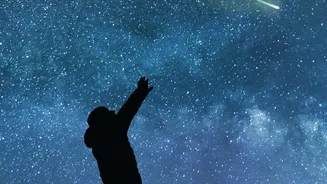
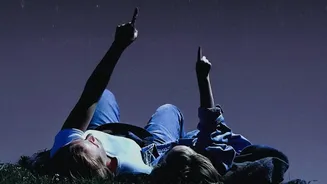
You don't need any special equipment to enjoy the show—your eyes are the best tool. The key is to find a safe spot away from city lights, as light pollution is the biggest barrier to seeing meteors. Give your eyes at least 15-20 minutes to fully adjust to the darkness; this means putting your phone away. Get comfortable in a reclining chair or lie on a blanket, and simply look up. Meteors can appear anywhere in the sky, so a wide-open view is best. Patience is essential. You won't see a constant stream, but rather bursts of activity followed by quiet moments. The longer you watch, the more you will see.
What You Will See
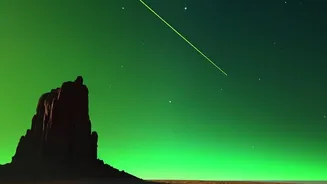
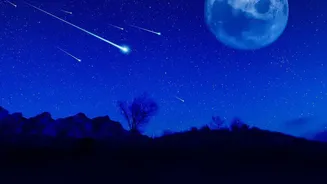
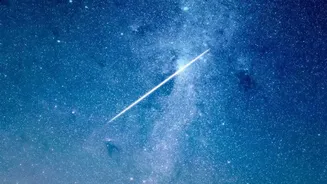
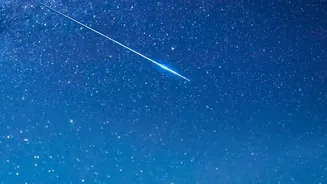
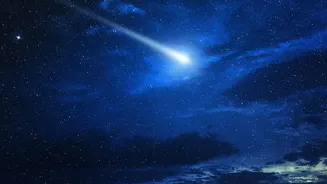
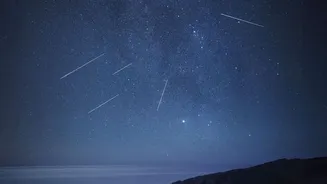
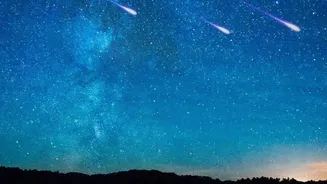
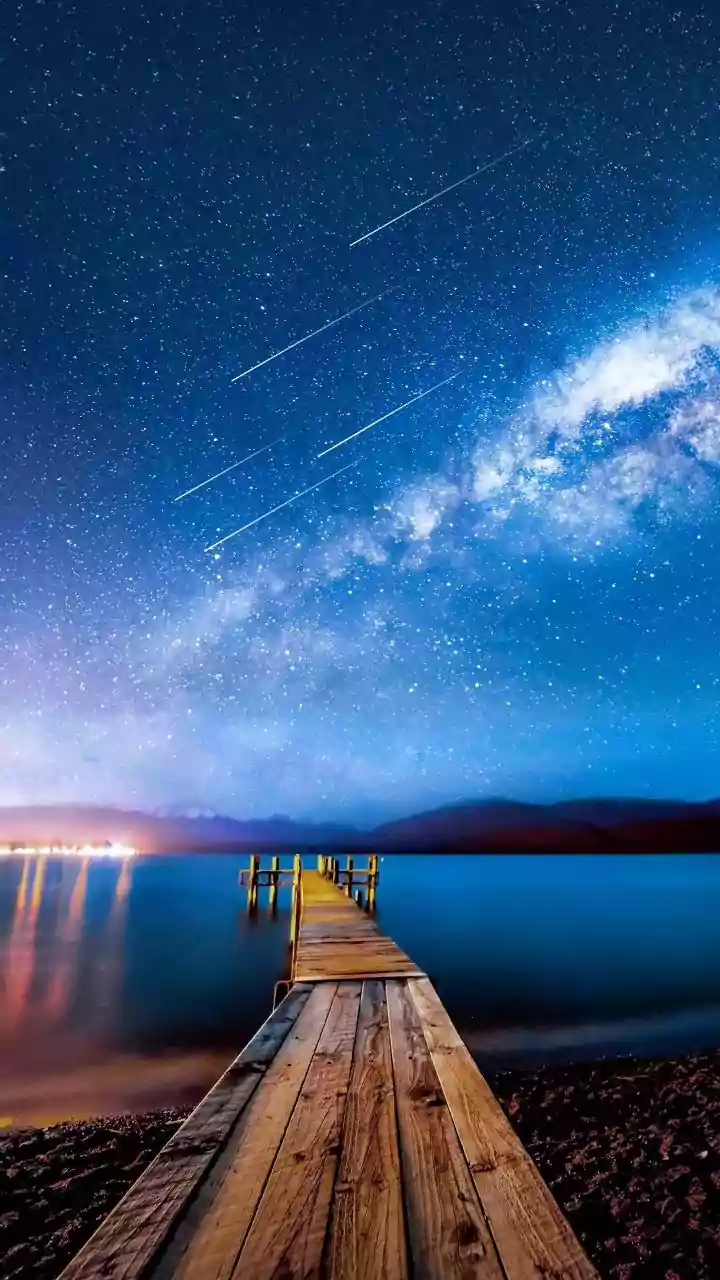
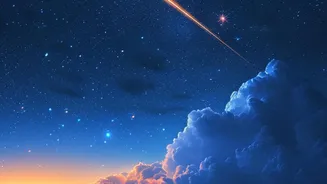
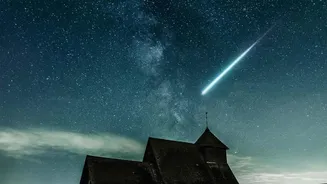
The Perseids are known for being bright and fast, often leaving persistent trails of glowing gas that linger for a moment after the meteor has vanished. You can expect to see a mix of meteors. Some will be bright 'fireballs' that can light up the entire sky for a second, while most will be fainter, quicker streaks. With the moon absent, 2026 is a unique opportunity to appreciate the full range of the shower. Look towards the northeast to find the radiant in the constellation Perseus, but remember that meteors will streak across all parts of the sky. The experience is less about looking at one specific spot and more about taking in the entire celestial canvas.