


Switzerland’s landscapes are legendary, but its most famous spots can feel overwhelmingly busy. By visiting in the shoulder seasons of spring or autumn, you can experience the magic with fewer crowds, lower prices, and a more authentic feel.
The Jungfrau Region: Beyond the Summer Rush
Interlaken,
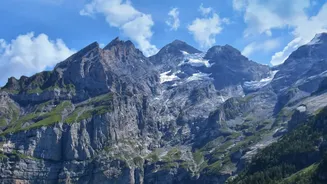
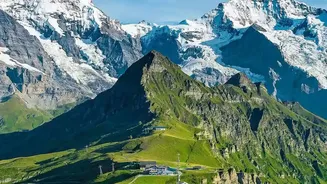
Grindelwald, and Lauterbrunnen are gateways to the iconic Eiger, Mönch, and Jungfrau mountains. In July and August, this region is swamped with tourists. However, visiting in late September or October reveals a landscape painted in spectacular autumn colours. The crowds are significantly lighter, making for a more peaceful experience on popular trails and viewpoints like the Grindelwald First Cliff Walk, which typically remains open until November. While some high-altitude trails may have early snow, many remain accessible, and the cooler weather is perfect for hiking. Spring (late April to mid-June) is also a fantastic alternative, as wildflowers blanket the meadows and waterfalls are at their most powerful. Be aware that some cable cars and mountain railways have maintenance breaks during these off-peak times, so always check schedules in advance.
Zermatt: The Matterhorn in Peaceful Solitude
Zermatt, home to the magnificent Matterhorn, is a magnet for skiers in winter and hikers in summer. Peak season means packed streets and long waits for the Gornergrat railway. For a quieter visit, consider late September and early October, when the weather is often settled, the hiking trails are still open, and the larch forests turn a brilliant gold. Spring, particularly April and May, is another excellent window. While it's a transitional period between ski and hike season, you'll find a much calmer village and lower accommodation prices. A key consideration for shoulder season travel in Zermatt is that many hotels and restaurants, along with some mountain transport, close for a brief period between seasons, typically mid-April to mid-June and again from mid-October to mid-December. Planning ahead is crucial to ensure the attractions you want to see are operational.
Lucerne: Lakeside Charm Without the Crowds
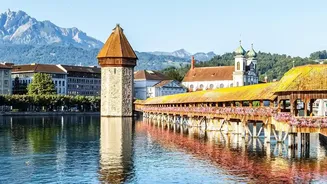
With its medieval Chapel Bridge and stunning lake setting against a backdrop of mountains, Lucerne is a highlight of any Swiss itinerary. This popularity leads to congestion in the summer months. Visiting in spring (April-May) or autumn (September-October) allows you to enjoy the city’s beauty at a more relaxed pace. In spring, the city awakens with blooming flowers, and boat cruises on Lake Lucerne resume a more frequent schedule. It's a fantastic time for low-elevation hikes and enjoying the lakeside promenades before the peak crowds arrive. Autumn offers crisp air, beautiful golden light for photography, and fewer tourists at major sights. While November is the quietest month, it can also be foggy and many mountain excursions may be closed. Aim for early October to get the best balance of good weather and quiet streets.
Geneva: A Cosmopolitan Hub at a Slower Pace
As a global hub for diplomacy and business, Geneva is busy year-round, but tourist numbers swell in the summer. A shoulder season visit in spring or autumn offers a more pleasant experience for exploring the Old Town and the famous Jet d'Eau. Spring, particularly April and May, brings events like the Tulip Festival, which adds a vibrant splash of colour to the lakeside parks. Autumn is the time of the grape harvest, making it a perfect opportunity to explore the nearby vineyards of the Lavaux region, a UNESCO World Heritage site, which are far less crowded than in summer. With milder temperatures and thinner crowds at museums and attractions, you can connect more deeply with the city's international flair and natural beauty.
Zurich: Urban Exploration Made Easy
Switzerland's largest city, Zurich, is a bustling center of finance and culture that attracts visitors all year. While it doesn't empty out to the same degree as alpine resorts, visiting in the shoulder seasons still has distinct advantages. Spring offers pleasant temperatures for strolling along the Limmat River and exploring the cobbled lanes of the Old Town without the summer heat. You can also witness traditional spring festivals like Sechseläuten. Autumn provides a crisp, comfortable climate for city exploration and seeing the surrounding hills in their fall colours. As a major city, Zurich's attractions, museums, and restaurants remain fully operational year-round, but you'll find more space and potentially better deals on accommodation outside of the June-to-August peak.