




Often overlooked as just 'punching the air', shadow boxing is a powerful fitness tool. But its true benefits for coordination, balance, and strength are unlocked not by speed, but by deliberate, controlled movements.
Why Control Is a Fitness Game-Changer
In the context of fitness, shadow boxing
isn't about preparing for a fight; it's about engaging your body and mind. Prioritizing speed and power over technique is a common mistake that can lead to bad habits or even injury. Controlled movements, on the other hand, force you to focus on form. This builds muscle memory, enhances mind-body coordination, and ensures you're activating the entire kinetic chain—from your feet through your core to your fists. A slower, more deliberate pace allows you to feel every rotation and weight shift, turning a simple cardio drill into a lesson in balance and full-body engagement. The goal is precision and flow, not exhaustion.
The Foundation: Stance and Footwork
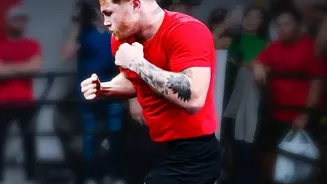
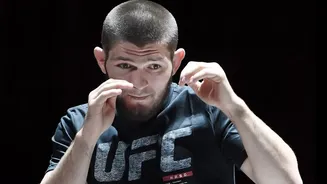
Every movement in shadow boxing begins with a solid foundation. Start with your feet about shoulder-width apart, with your non-dominant foot forward (this is called an 'orthodox' stance for right-handers). Keep a slight bend in your knees and your weight on the balls of your feet, never flat-footed. Your hands should be up in a 'guard' position, near your cheekbones, with your elbows tucked in to protect your ribs. Footwork is just as crucial. Instead of standing still, practice moving around an imaginary space. Use small, deliberate steps—pivoting, moving laterally, and shifting forward and back—to stay balanced and light on your feet. This constant movement is what elevates shadow boxing to a full-body workout.
Mastering Punches With Precision
When shadow boxing for fitness, think of each punch as a controlled, technical exercise. Power comes from rotating your hips and core, not from muscling through with your arm and shoulder. There are four basic punches to master: the jab (a quick, straight punch with your lead hand), the cross (a straight punch with your rear hand), the hook (a semi-circular punch), and the uppercut (an upward punch). A critical rule is to never fully lock out your elbow at the end of a punch. Since there's no bag to absorb the impact, hyperextending the joint can cause strain. Equally important is bringing your hand straight back to your guard position immediately after each strike to maintain a good defensive habit.
Putting It All Together in a Workout
A structured routine makes shadow boxing more effective and engaging. A great way to start is with timed rounds, just like in a real boxing gym. Use a timer for 2–3 minute rounds with a one–minute rest in between. Dedicate each round to a specific goal. For example: Round 1 could be footwork and jabs only. Round 2 might introduce the cross (the '1–2' combination). Round 3 could add hooks and defensive moves like slips, where you move your head to dodge an imaginary punch. Using a mirror is an invaluable tool for beginners to check their form and correct mistakes, like dropping their guard after punching.
Common Mistakes to Avoid
To get the most out of your workout, be mindful of common pitfalls. Many beginners stand stationary, focusing only on arm punches without incorporating footwork. Another error is throwing wild, unrealistic combinations at full speed, which sacrifices technique. Remember to stay relaxed; tensing your shoulders will drain your energy quickly. It's also vital to breathe properly, exhaling sharply with each punch. Finally, one of the biggest mistakes is not visualizing an opponent. Imagining a target and reacting to its 'movements' is what keeps the drill from becoming mindless and transforms it into a dynamic mental and physical exercise.