





The Winter Packing Challenge
The thrill of a snowy getaway or a trip to a chilly city is often tempered by one daunting task: packing. Unlike a summer holiday where lightweight fabrics rule, winter travel demands bulk. Chunky knit sweaters, fleece-lined trousers, thermal underlayers,
and the all-important insulated jacket are non-negotiable. The problem is that these items are full of air, which is great for keeping you warm but terrible for fitting into a finite amount of luggage space. Many travellers find themselves forced to choose between paying for a larger checked bag or sacrificing essential warm layers, turning what should be an exciting preparation into a stressful ordeal.
The Case for Packing Cubes
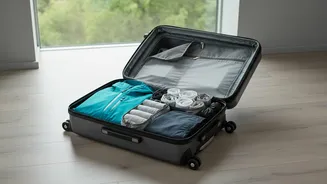
For years, packing cubes have been the go-to solution for organised travellers. These zippered fabric containers, available in various sizes, allow you to compartmentalise your suitcase, turning a chaotic pile of clothes into a neat set of drawers. You can designate cubes for tops, bottoms, underwear, or even outfits for specific days. This level of organisation is fantastic for easily finding what you need without tearing your entire suitcase apart. While they do offer a slight degree of compression by keeping clothes tightly bundled, their primary strength is order, not significant volume reduction. When faced with a truly bulky down jacket, a packing cube mostly just contains the bulk rather than conquering it.
Enter the Space-Saving Champion: Compression Bags
This is where compression bags step into the spotlight. Unlike packing cubes, their main purpose is not organisation, but aggressive space-saving. These bags, which are essentially durable plastic sacks, work by removing all the excess air from your clothing. There are two main types: those you manually roll to force the air out through a one-way valve, and vacuum-sealed versions that require a small pump or a household vacuum cleaner to suck the air out. When you place a puffy jacket or a stack of thick sweaters inside and remove the air, the transformation is remarkable. The items shrink down to a fraction of their original volume, turning lofty garments into dense, flat packages.
The Volume Showdown
When packing bulky winter clothing, the difference between the two is stark. A large down jacket that might fill an entire packing cube on its own can be shrunk down to less than half that size in a compression bag. This is because the bag directly tackles the root cause of the bulk: trapped air. Packing cubes corral your clothes, but compression bags fundamentally change their volume. This space-saving ability allows you to either pack more warm gear into the same suitcase or potentially even downsize from a checked bag to a carry-on, saving on airline fees. For items like ski jackets, thick sweaters, and thermal wear, no other packing tool reduces size as effectively.
Important Considerations and Trade-Offs
However, this space-saving power comes with a few trade-offs. The most significant is wrinkles. By tightly squeezing every bit of air out, compression bags will inevitably cause more creasing than packing cubes. This makes them less ideal for dress shirts or delicate fabrics. Another crucial point is weight. Compression bags save space, but they do not reduce the weight of your items. A compressed jacket is just as heavy, so you still need to be mindful of airline weight limits. Finally, accessing an item from a sealed compression bag means you have to unseal and then reseal the entire bag, which can be a hassle.
The Best of Both Worlds Strategy
Ultimately, you don't have to choose just one. The smartest packing strategy often involves using both tools for their specific strengths. Use compression bags for your bulkiest, most space-hungry items like jackets, heavy sweaters, and maybe even a spare pillow. These are items where volume is the primary concern. Then, use packing cubes for your other clothes like trousers, t-shirts, and underwear. This keeps your suitcase organised and your less bulky items easily accessible and relatively wrinkle-free. This hybrid approach gives you the massive space-saving benefits for your winter gear while maintaining the organisational harmony that makes travelling so much smoother.