






Our Drowning Cities: A Familiar Story
Urban flooding isn't just a matter of heavy rainfall; it's a crisis of infrastructure. For decades, cities have relied on traditional, static drainage systems. These vast networks of underground pipes and channels were designed based on historical rainfall data.
But they are increasingly overwhelmed. Rapid urbanization has replaced porous soil with impermeable concrete and asphalt, forcing massive volumes of water into systems that are often aging, silted, or clogged with waste. The conventional approach is reactive: when a drain overflows and a street floods, municipal crews are dispatched to manually clear the blockage. This after-the-fact response is inefficient, costly, and often comes too late to prevent significant disruption and damage.
The Eyes and Ears Underground
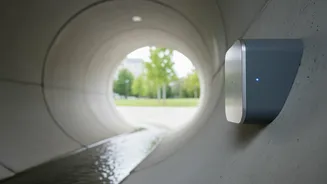
Enter the smart sensor. Imagine a network of digital guardians placed at critical points within a city's drainage system. These are not just any sensors; they are rugged, Internet of Things (IoT) devices designed to operate in harsh underground environments. Common types include ultrasonic level sensors that measure the distance to the water's surface, flow meters that track the speed of the water, and even cameras to visually inspect for debris. These devices are installed in manholes, at drainage junctions, in overflow basins, and near known chokepoints, effectively giving the city a nervous system for its water management infrastructure.
Turning Data Into Dry Streets
The magic of this system lies in real-time data and communication. As a rainstorm begins, the sensors continuously collect information on rising water levels and flow rates. This data is transmitted wirelessly to a central command center. Here, software platforms analyze the incoming information, often integrating it with weather forecasts and historical flood data. An AI-driven system can then predict which drains are approaching their capacity limit or identify a sudden blockage. Instead of waiting for a flood report from a citizen, city operators receive an automated alert on a dashboard, pinpointing the exact location of the impending problem. This allows them to take proactive measures, such as dispatching a maintenance crew to a specific manhole before it overflows or, in more advanced systems, automatically opening or closing sluice gates to redirect water flow to underutilized parts of the network.
Beyond Just Preventing Floods
The benefits extend far beyond immediate flood prevention. This proactive approach leads to more efficient and targeted maintenance, saving time and resources. By collecting long-term data, these sensors provide invaluable insights for urban planners. They can identify recurring problem areas, helping engineers make data-driven decisions about where to upgrade or expand drainage infrastructure. For citizens, the impact is tangible: early warning systems can send timely alerts to residents in flood-prone areas, giving them time to prepare. This leads to safer communities, reduced property damage, and more resilient urban environments capable of weathering the increasingly intense storms linked to climate change.
The Path to Smarter Indian Cities
While the technology holds immense promise, deployment is not without challenges. The initial investment for sensors, network infrastructure, and analytics software can be significant. Furthermore, these sensors need regular maintenance to ensure they function correctly in dirty, corrosive sewer environments. Despite these hurdles, the push for smarter drainage is gaining momentum in India. The Smart Cities Mission provides a framework for integrating such technologies, and pilot projects are demonstrating their value. A case study for Kolkata and Howrah, for example, projected that a smart drainage system could slash waterlogging duration by up to 80%. Innovators are also developing clog-resistant smart drains specifically designed for conditions in South Asian cities. As these solutions become more affordable and scalable, they offer a clear path away from the annual cycle of monsoon misery.