



A Major Market Transformation
The Indian pantry is undergoing a quiet but powerful transformation. What was once a niche category confined to gyms and specialty health stores is now a booming mainstream market. Protein is no longer just a supplement; it's an ingredient, a lifestyle,
and a massive business opportunity. FMCG giants like Amul, Britannia, and ITC are now competing with a wave of agile startups such as The Whole Truth, Yoga Bar, and MyFitness to capture a share of this expanding pie. The market is seeing everything from protein-infused lassi and kulfi to protein atta, bread, and ready-to-drink shakes. This shift reflects a fundamental change in consumer behaviour, where protein is moving from a 'good-to-have' for athletes to a 'must-have' for everyday wellness.
The Drivers of the Protein Boom
Several factors are fuelling this protein revolution. A primary driver is a widespread and growing awareness of protein deficiency in typical Indian diets. Studies have repeatedly highlighted that a significant portion of the population, including a high percentage of urban Indians, does not consume the recommended daily amount of protein. This is largely because many traditional diets are carbohydrate-heavy, with cereals like rice and wheat forming the bulk of protein intake rather than higher-quality sources. This awareness, amplified by social media and health influencers, has converged with rising disposable incomes and a post-pandemic surge in health consciousness. Urban consumers, especially millennials and Gen Z, are increasingly looking for convenient, healthy snacking options that fit their busy lifestyles and are willing to pay a premium for products that offer functional benefits. According to a 2026 report, a staggering 86% of Indian consumers now consider protein an important factor when choosing snacks.
From Powders to Palatable Snacks
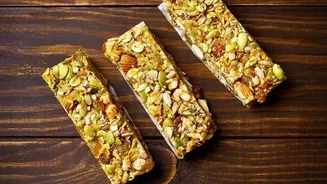
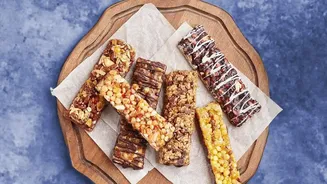
The real genius of this mainstream push lies in product innovation. While whey protein powders still dominate the sports nutrition segment, the growth is coming from making protein accessible and delicious for everyone. Companies are adding protein to familiar formats that Indian consumers already love. Think protein chips, biscuits, breakfast cereals, peanut butter, and even protein-fortified milk sold in standard pouches at a slight premium. Startups, in particular, have been successful in reimagining protein consumption, turning it into a lifestyle statement with clean-label, plant-based, and flavourful options that appeal to a broader demographic beyond the gym. Purchases of protein products on quick-commerce platforms have reportedly grown by over 150% in the last two years, with categories like protein snacks and yogurt seeing explosive growth.
A Note of Caution
However, the boom is not without its challenges. The rapid expansion of the market has led to concerns about quality and regulation. Independent testing has in the past revealed issues like mislabelling, where the actual protein content doesn't match the claim on the package. This makes brand trust and transparent sourcing increasingly important for discerning consumers. Affordability also remains a hurdle for mass adoption, particularly in Tier-2 and Tier-3 cities and rural areas, though the entry of large FMCG players is expected to make products more competitive. Furthermore, nutrition experts caution against over-reliance on processed snacks. While convenient, these products should complement, not replace, natural, whole-food sources of protein like dal, paneer, eggs, and legumes.