








What is Community-Led Evidence?
For generations, communities have been the silent observers of their environments. They are the farmers who know precisely when rainfall patterns are shifting, the coastal villagers who can spot the earliest signs of erosion, and the forest dwellers who understand
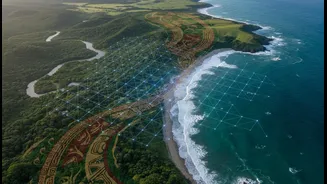
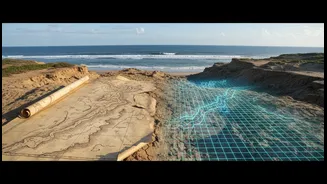
the subtle changes in biodiversity. This deep, lived expertise is often called Traditional Ecological Knowledge (TEK). It’s not just a collection of stories; it is a dynamic system of observation, practice, and belief, passed down through generations, about the relationship between people and their environment. For a long time, this invaluable data was considered anecdotal by the broader scientific community. However, there is a growing recognition that this knowledge, when systematically gathered, provides a rich, high-resolution picture of climate change that complements satellite imagery and complex computer models.
From Local Observation to Hard Data
The shift involves turning qualitative observations into valuable data points. This is where “citizen science” comes in. With accessible technology like smartphone apps, community members can now document environmental changes with greater precision. Initiatives like India's 'SeasonWatch' ask citizens to track the seasonal cycles of trees, creating a massive, crowd-sourced database on how local climates are shifting. In other projects, communities are being trained to collect crucial data on everything from water quality to air pollution hotspots. In Odisha, for instance, a collaboration between farmers and scientists led to the revival of saline-resistant paddy seeds, a direct response to increasing cyclonic activity and saltwater intrusion. This fusion of local experience and scientific validation creates a powerful evidence base for action.
Why Scientists Are Embracing This Shift
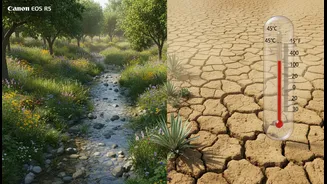
Researchers are increasingly acknowledging the limitations of a purely top-down approach to climate science. Satellite data can show large-scale trends, but it can miss the nuanced, localised impacts that matter most to people's lives and livelihoods. Community-led evidence fills these critical gaps. For example, indigenous knowledge has proven invaluable in monitoring glacier-fed lakes in Pakistan, improving flood preparedness for local villages. This collaboration also makes climate science more just and equitable. By involving communities in the research process, it moves them from being passive subjects of study to active partners in finding solutions. This approach ensures that adaptation strategies are tailored to actual needs and are more likely to be accepted and sustained by the community.
Empowering Communities, Improving Resilience
The benefits extend far beyond better data. When communities are involved in monitoring their own environment, it builds a sense of ownership and empowerment. Their knowledge is validated, their voices are heard in policy discussions, and they are better equipped to develop their own adaptation strategies. In Mumbai, residents of climate-vulnerable settlements have formed first-response teams, surveying their areas and working with civic bodies to prepare for extreme rainfall and cyclones. This proactive engagement strengthens social cohesion and builds what experts call “generalized resilience”—the ability of a community to withstand and recover from shocks. It transforms climate action from an abstract government mandate into a tangible, community-driven effort.
Challenges on the Path Forward
Despite the clear potential, integrating community evidence into mainstream science is not without challenges. Ensuring data quality and standardization across diverse projects can be difficult. There are also valid concerns about protecting local and indigenous knowledge from being exploited without proper credit or compensation. Funders and policymakers, while increasingly interested, still often require evidence of effectiveness in a language and format they understand, which can be a barrier for grassroots organisations. Bridging this gap requires building trust, establishing clear protocols for data sharing and ownership, and creating sustained funding and technical support for community-led initiatives.