


The Soul of Art Deco
Born in the 1920s, Art Deco was a declaration of modernity and opulence. It embraced the machine age with bold geometry, sharp lines, and unapologetic symmetry. Think of the iconic sunburst motifs, stepped forms inspired by skyscrapers, and repeating
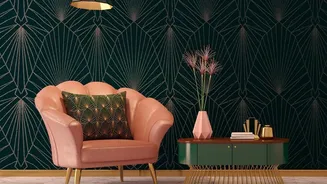
chevrons that defined the era. The style was a celebration of progress, blending fine craftsmanship with luxurious materials to create a look that felt both powerful and glamorous. Its core principles revolved around creating a dramatic, confident space through a combination of striking shapes, rich colours, and an intentional mix of textures.
Why Material Matters
To capture the authentic spirit of Art Deco, you have to appreciate its palette of materials. The style is defined by a deliberate mix of rich and reflective surfaces. Designers of the era frequently combined exotic woods like ebony and rich veneers with high-gloss lacquer, sumptuous velvets, and natural stone such as marble and onyx. These materials were chosen for their ability to convey luxury and depth. Metals played a crucial role, with chrome, steel, and especially brass used for everything from lighting to furniture accents. It is this thoughtful interplay of materials that gives Art Deco its layered, sophisticated character.
The Warmth and Weight of Brass
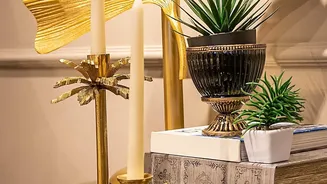
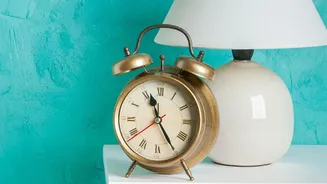
While plastic is a product of modern manufacturing, it lacks the historical soul and physical presence that defines Art Deco. Brass, an alloy of copper and zinc, was a favourite in the original Deco period and offers a warm, golden hue that plastic simply cannot replicate. This warmth adds a layer of visual comfort and luxury, preventing the style's bold geometry from feeling too cold or sterile. Furthermore, brass has a satisfying physical and visual weight. Unlike plastic, which can feel lightweight and temporary, brass provides a sense of permanence and quality. Over time, it develops a natural patina, a soft lustre that adds character and tells a story—a quality that enhances its vintage appeal.
Creating 'Richer Contrast'
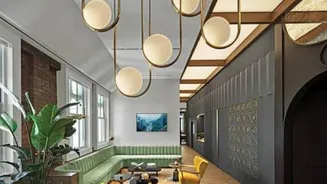
The contrast mentioned in the headline comes from how these materials interact. The warm, reflective glow of brass is the perfect counterpoint to the deep, often dark, colours favoured in Art Deco design, like emerald green, sapphire blue, and black. When a brass inlay is set into a high-gloss black lacquer cabinet, the metal's shine creates a dynamic focal point. A brass floor lamp doesn't just illuminate a room; its golden light reflects off surfaces, creating a warm, ambient atmosphere that enhances other rich materials like velvet upholstery. Plastic, by comparison, tends to absorb light, offering a flat, one-dimensional finish that deadens contrast. Its uniformity looks sterile next to the rich, organic textures of wood and stone, failing to provide the luxurious tension that makes Art Deco so visually compelling.
How to Use Brass Accents
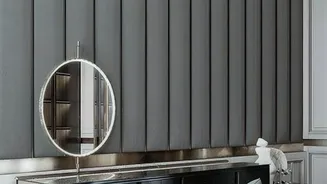
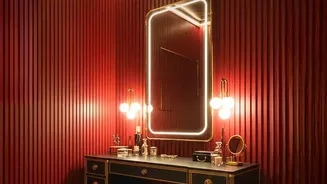
Incorporating brass doesn't require a complete overhaul. The beauty of this metal is its ability to elevate a space even in small doses. Start by swapping out existing hardware; Art Deco-style brass pulls on a dresser or kitchen cabinets can instantly update a piece. Lighting is another powerful tool. A single sculptural table lamp or a pair of geometric brass wall sconces can frame a headboard or mirror, adding symmetry and a touch of glamour. Look for furniture with brass details, such as the legs of a console table, the trim on a mirror, or inlaid patterns on a sideboard. These metallic touches act like jewellery for the room, catching the light and drawing the eye.