
Why Texture Matters in Interior Design
In the world of interior design, texture is a crucial element that brings a room to life. A space with only flat, smooth surfaces can often feel one-dimensional and cold. Texture introduces visual depth and a tactile quality, making a room feel more layered,
warm, and complete. It plays with light, creating subtle shadows and highlights that change throughout the day, adding character without overwhelming the space. Textured surfaces like distressed wood can also cleverly hide minor wall imperfections and even help absorb sound, making a room quieter and more comfortable.
Understanding Distressed and Reclaimed Wood
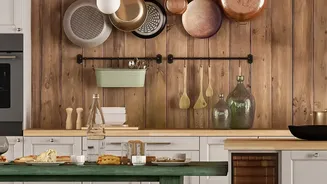
The term 'distressed wood' refers to new lumber that has been artificially aged to mimic the appearance of weathered, old wood. On the other hand, 'reclaimed wood' is genuine timber salvaged from old structures like barns, factories, and warehouses. Each plank of reclaimed wood tells a story through its nail holes, saw marks, and unique patina developed over decades. Both options provide the rustic charm you're looking for, but reclaimed wood offers an authentic piece of history. Many modern panels come in easy-to-install formats, from individual planks to larger pre-assembled sections, making the project accessible for DIY enthusiasts.
Popular Styles of Wood Wall Panels
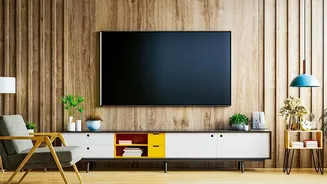
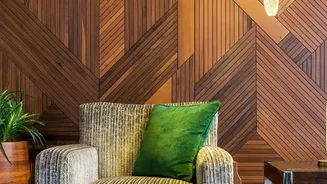
Wood panels come in several popular styles, each offering a distinct look. Shiplap, known for its horizontal boards with a slight gap, is a cornerstone of modern farmhouse and coastal design. Board and batten uses wide boards with narrow strips covering the seams, creating a bold, rhythmic pattern. For a more dynamic feel, planks can be arranged in geometric patterns like herringbone or chevron, which add a sense of movement. Slat wall panels, featuring clean vertical lines, offer a more contemporary take on the wood wall trend and can also provide acoustic benefits.
Choosing the Right Room and Wall
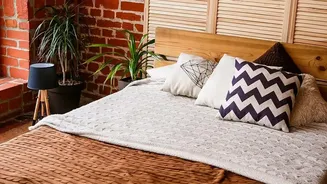
A distressed wood accent wall can serve as a powerful focal point in almost any room. In a living room, it creates a warm backdrop for a media unit or seating area. In a bedroom, installing a wood wall behind the headboard adds warmth and eliminates the need for a separate headboard. Entryways and hallways also benefit from the architectural interest that wood panelling provides. When choosing a wall, consider the room's lighting and existing decor. A wood accent wall naturally draws the eye, so it's perfect for highlighting a fireplace or a special piece of furniture.
Installation and Styling Tips
For a successful installation, proper preparation is key. It's recommended to let the wood planks acclimate to the room's temperature and humidity for at least 24-48 hours before installation to prevent future warping. Painting the wall a dark colour beforehand can help hide any small gaps between the planks. When arranging the panels, mix boards from different boxes to ensure a natural blend of colours and textures, and stagger the seams between rows for a professional look. Once installed, pair your new rustic wall with complementary textures. Think soft textiles, leather furniture, and metal accents to create a balanced and inviting space.