
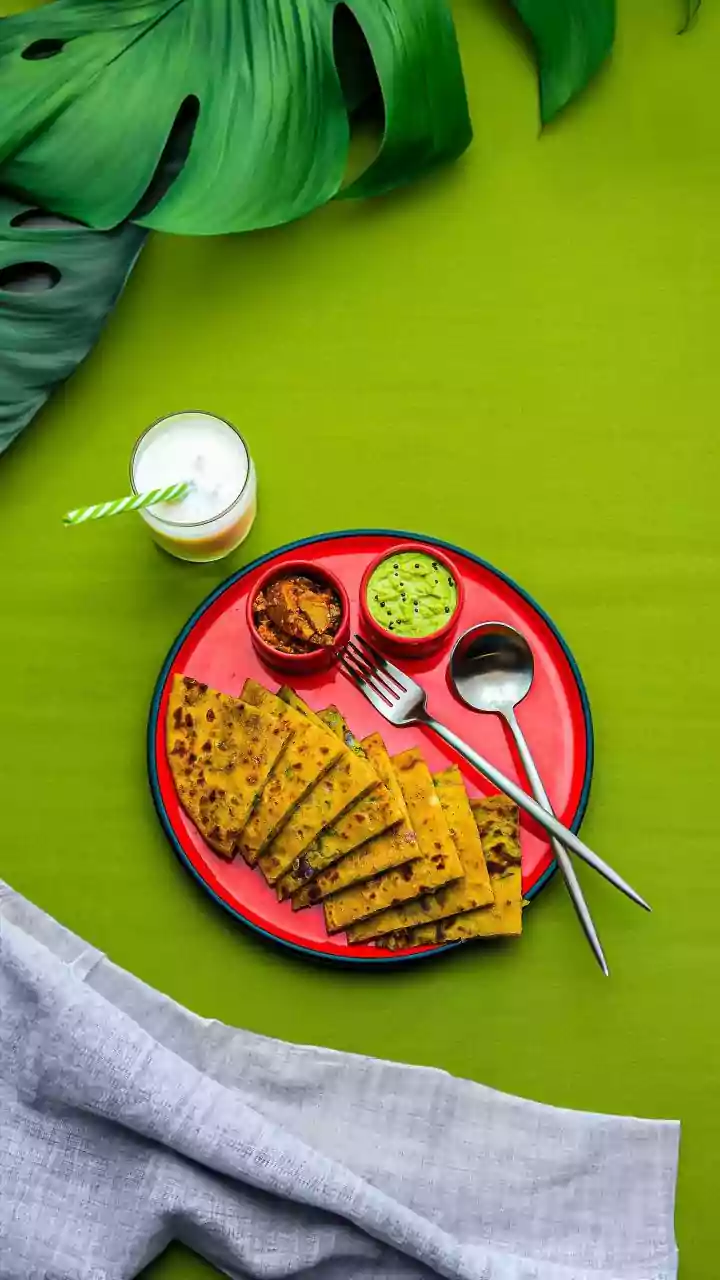

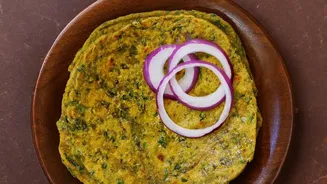
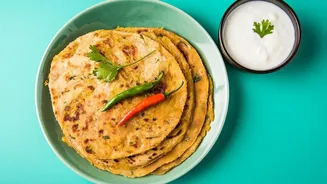
As winter mornings arrive, the craving for a hot, savoury paratha is undeniable. This recipe offers a delightful and healthy twist, combining the rustic goodness of jowar with the sharp, fresh flavour of radish for a perfect gluten-free breakfast.
A Modern Twist on a Classic Comfort Food
The
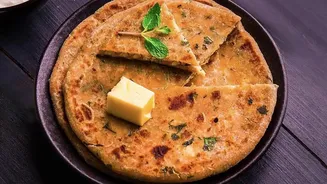
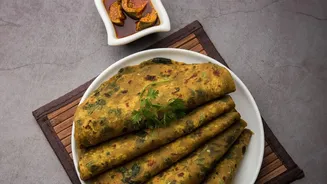
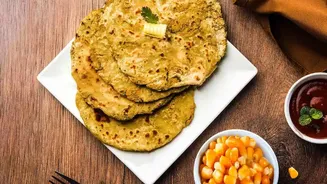
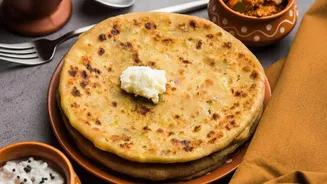
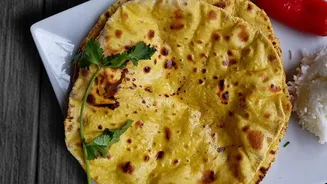
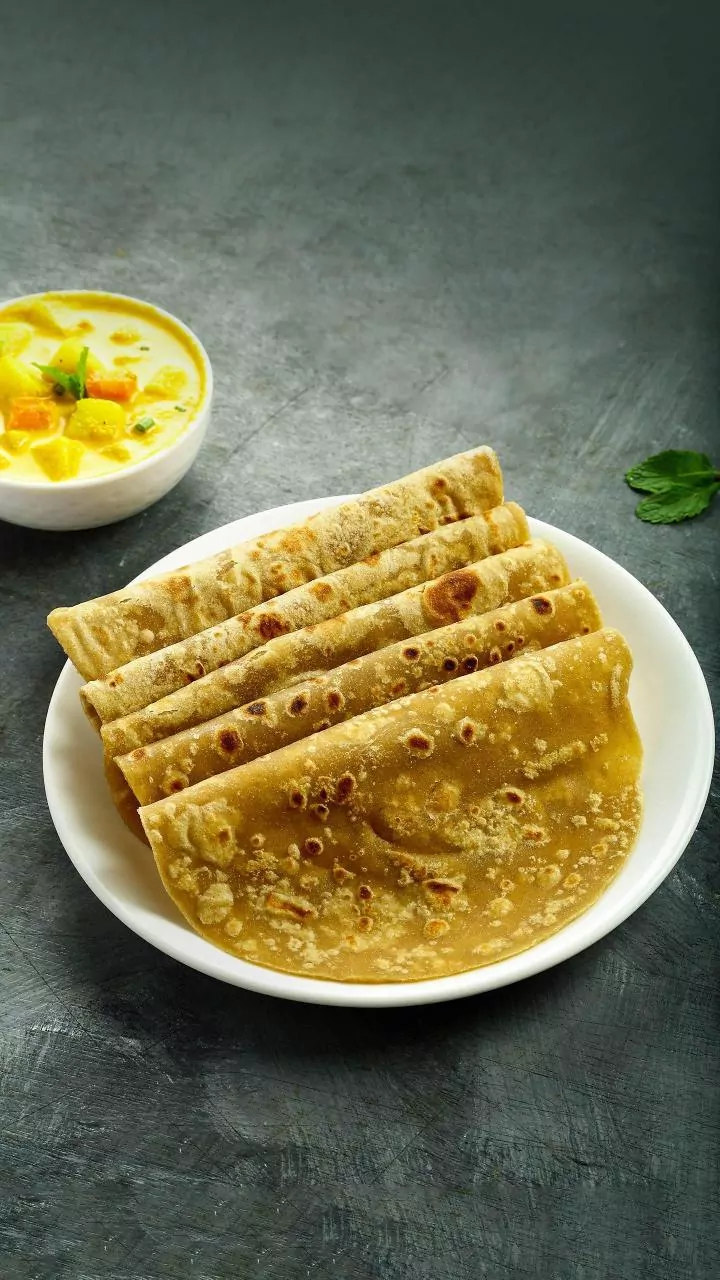
paratha holds a special place in the heart of Indian cuisine. It’s a versatile flatbread that can be stuffed with anything from spiced potatoes to leafy greens. While traditionally made with wheat flour, this recipe reinvents the classic by using jowar, or sorghum flour. The addition of grated radish, or 'mooli', not only adds a unique peppery flavour but also provides essential moisture, making the gluten-free dough surprisingly easy to work with. The result is a wholesome, flavourful, and satisfying flatbread that caters to modern dietary needs without sacrificing traditional taste. It’s the perfect way to enjoy a beloved comfort food while incorporating healthier grains into your diet.
The Power of Jowar (Sorghum)
Jowar has been a staple grain in many parts of India for centuries, and for good reason. It's a nutritional powerhouse that is now gaining widespread recognition. As a naturally gluten-free grain, it's an excellent choice for individuals with celiac disease or gluten sensitivity. Jowar is rich in dietary fibre, which aids in digestion, promotes a feeling of fullness, and can help manage cholesterol levels. It's also packed with essential minerals like iron, magnesium, and phosphorus. With a lower glycemic index compared to refined wheat flour, jowar releases energy slowly, helping to maintain stable blood sugar levels, making it a favourable option for those managing diabetes. Its protein content further helps in muscle repair and provides sustained energy.
Why Radish Is the Perfect Partner
Radish, or mooli, is much more than just a crunchy salad vegetable. In this paratha, it plays a crucial role. Radishes have a high water content, which helps to create a soft, pliable jowar dough that doesn't crack easily. Nutritionally, radishes are low in calories but rich in Vitamin C and fibre, supporting both immunity and digestive health. They are considered a natural digestive aid in Ayurveda and are believed to enhance the secretion of digestive juices. The vegetable also contains compounds that support liver function and help the body detoxify. Its subtle peppery flavour cuts through the earthiness of the jowar, creating a balanced and delicious taste profile.
Ingredients You Will Need
This recipe makes approximately 6-8 parathas. For the Dough: - 2 cups Jowar Flour (Sorghum Flour) - 1 cup Grated Radish (Mooli) - 1/2 cup Finely Chopped Radish Greens (Optional, but recommended) - 2 Green Chillies, finely chopped - 1-inch Ginger, grated - 1 teaspoon Ajwain (Carom Seeds) - 1/2 teaspoon Turmeric Powder - Salt to taste - 1 to 1.5 cups Hot Water, as needed - Ghee or oil for cooking
Step-by-Step Guide to a Perfect Paratha
1. Prepare the Radish: After grating the radish, sprinkle a little salt over it and set it aside for about 10 minutes. This will cause the radish to release its water. Squeeze the grated radish firmly to remove all excess water. Don’t discard this water; you can use it to knead the dough. 2. Make the Dough: In a large mixing bowl, combine the jowar flour, squeezed grated radish, chopped radish greens (if using), green chillies, grated ginger, ajwain, turmeric, and salt. Mix everything well. Now, slowly add the hot water (or the reserved radish water, heated up) and start combining the flour. Be careful as the water is hot; use a spoon initially. Once it's cool enough to handle, knead the mixture for 5-7 minutes to form a smooth, soft dough. A well-kneaded dough is key to soft parathas. 3. Roll the Parathas: Divide the dough into equal-sized balls. Since jowar flour lacks gluten, the dough can be delicate. The easiest way to roll it is by placing a dough ball between two sheets of parchment paper or on a plastic sheet and gently rolling it out to your desired thickness. You can also pat it into a circle using your palms. 4. Cook Them: Heat a tawa (griddle) over medium-high heat. Carefully place a paratha on the hot tawa. Cook for about a minute until you see small bubbles form, then flip. Apply a little ghee or oil on the cooked side. Flip it again and apply ghee on the other side. Press down gently with a spatula to ensure it cooks evenly until golden-brown spots appear on both sides.