



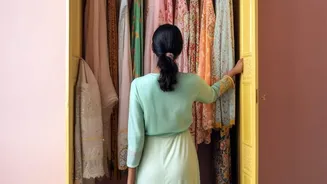


From Fast Fashion to Conscious Choice
For years, the global fashion industry has operated on a linear model: take, make, and dispose. This system, known as fast fashion, offers trendy clothing at low prices, but at a significant environmental cost. The industry is responsible for up to 10%
of global carbon emissions and 20% of global wastewater. In India, this translates to over a million tonnes of textile waste annually. However, a growing consciousness about this impact is taking root, particularly among Gen Z and millennial consumers. They are increasingly questioning the relentless cycle of consumption and seeking alternatives that align with their values, turning their backs on mass-produced items in favour of sustainability and individuality.
The Core of a Circular Economy
This is where circular fashion comes in. Unlike the linear model, a circular system is designed to be restorative and regenerative. In fashion, this means keeping garments and materials in use for as long as possible. Thrifting is a cornerstone of this concept. By purchasing a pre-owned item, consumers extend its life, preventing it from ending up in a landfill. This simple act reduces the demand for new clothing production, which in turn saves vast amounts of water, lowers carbon emissions, and decreases chemical pollution from textile dyeing. It’s a powerful shift from a disposable culture to one that values longevity and resourcefulness, ideas that have deep roots in traditional Indian practices of reuse.
The Instagram-Powered Thrifting Boom
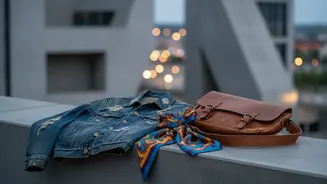
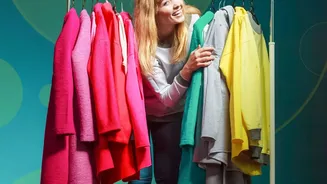
The stigma once attached to second-hand clothing is rapidly fading, largely thanks to social media. Platforms like Instagram have become bustling marketplaces for curated thrift stores, run by young entrepreneurs for a digital-native audience. These online shops have redefined pre-loved clothing, transforming it from a necessity into a statement of style and principle. Through compelling photography and digital storytelling, sellers showcase unique vintage finds, Y2K aesthetics, and branded apparel at a fraction of the retail price. This has not only made thrifting accessible and convenient but has also built a vibrant community around shared values of sustainability and a desire to stand out from the crowd.
More Than a Transaction, A Cultural Statement
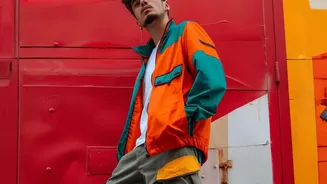
For many young Indians, thrifting is about more than just affordability or environmentalism; it’s a form of self-expression. In a world of mass-produced trends, vintage and thrifted pieces offer a sense of uniqueness and individuality. Each garment comes with a history, allowing the new owner to create a personal style that can't be bought off a mannequin. This search for authenticity is a reaction against the uniformity of fast fashion. It's a way to engage with nostalgia, experiment with different eras, and make a statement that is both personal and political, signalling a commitment to more conscious consumption.
The Ripple Effect on a New Economy
The rise of thrifting is creating tangible economic benefits. It has spurred a new wave of small-scale entrepreneurship, particularly among young people who can start online stores with low initial investment. This burgeoning resale market is a key component of the broader circular economy, which includes upcycling and textile recycling. India, already a major hub for textile recycling in cities like Panipat, is well-positioned to lead in this space. By keeping garments in circulation, the thrift movement supports a system that reduces waste, creates jobs, and builds a more resilient and sustainable fashion ecosystem for the future.