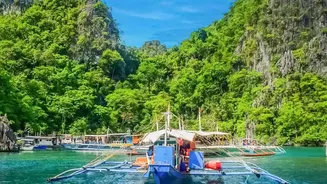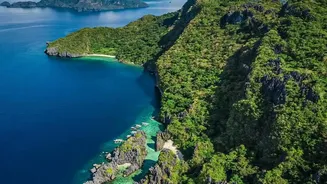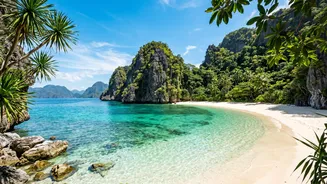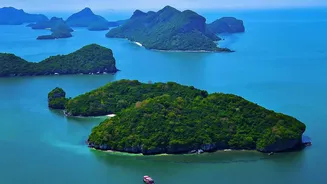



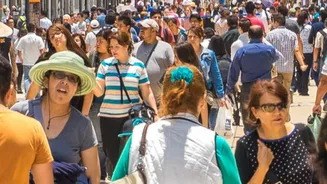
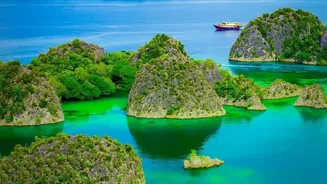
The Philippines offers 7,000 islands of staggering beauty, but are the most famous spots worth the hype? For many travellers, the reality of high costs, long journeys, and major crowds can clash with the pristine images seen online.
The Postcard vs. The Price Tag
The allure of the Philippines
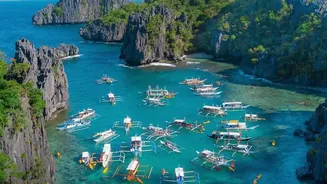
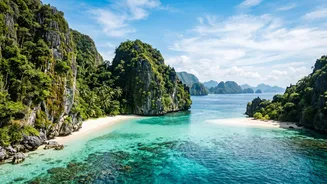
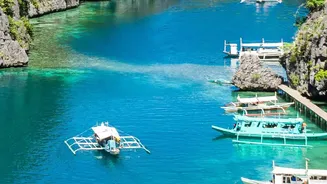
is undeniable. Search for its beaches online, and you're met with visions of crystal-clear turquoise waters, powdery white sand, and traditional 'bangka' boats dotting the horizon. Destinations like Boracay and El Nido have become global symbols of tropical paradise. However, this popularity comes with significant trade-offs that are rarely featured in glossy travel magazines. The journey to these remote havens often involves multiple flights, expensive ferry rides, and local transfers that eat into your budget and time. Once you arrive, the costs continue to stack up with mandatory environmental fees, pricey tours, and accommodation rates inflated by demand. This guide isn't about discouraging a visit but about setting realistic expectations for what your money and effort will truly get you.
Boracay: Paradise Regulated
Boracay's world-famous White Beach is undeniably stunning. After a major rehabilitation project, the island is cleaner and more organised than ever before. But this cleanup came with a new set of rules and a different vibe. The wild, spontaneous party scene has been replaced by a more controlled, family-friendly atmosphere. While this is a positive for some, others find it has lost some of its raw charm. The bigger issue remains the crowds. Even with visitor caps, you'll be sharing that perfect sunset with hundreds of others. Activities are highly commercialised, and the feeling of authentic discovery is hard to come by. For a similar stretch of pristine sand without the theme-park feel, consider the quieter beaches of Siquijor or the developing coastline of San Vicente, Palawan.
El Nido: The Cost of Limestone Cliffs
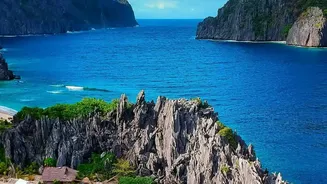
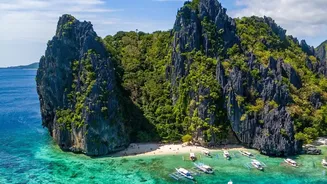
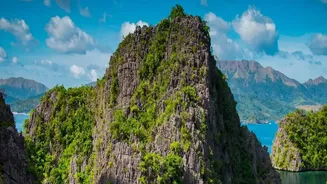
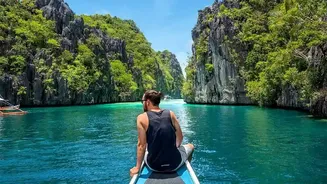
El Nido in Palawan is the gateway to the breathtaking Bacuit Archipelago, known for its dramatic limestone karsts rising from impossibly blue water. The problem? Everyone knows it. The iconic island-hopping tours (Tours A, B, C, and D) have become a conveyor belt of boats. You'll arrive at the 'Secret Lagoon' only to find a queue of people waiting to swim through the same small opening. The town itself has struggled to cope with its own popularity, facing challenges with infrastructure and waste management. Furthermore, getting to El Nido is a prime example of the high travel costs for remote islands. It typically requires a flight to Puerto Princesa followed by a gruelling 5-6 hour van ride, or a much more expensive direct flight. The experience is still beautiful, but it's a shared, highly structured, and costly version of adventure.
The 'Hidden Gem' Dilemma
Social media has created a paradox for travellers seeking authenticity. Countless blogs and Instagram posts promise to reveal 'secret' waterfalls and 'untouched' beaches. However, the moment a location is tagged and shared widely, its days as a hidden gem are numbered. Kawasan Falls in Cebu, for example, was once a serene jungle escape. Today, it's a major canyoneering hub where you're more likely to see crowds in life jackets than quiet nature. This doesn't make these places bad, but it changes the experience. The tradeoff for visiting these wellndocumented spots is that you are no longer an explorer discovering something new; you are a tourist following a welltrodden digital path. True solitude often requires venturing far from the places recommended by major influencers.