




Start with a Forgiving Plant
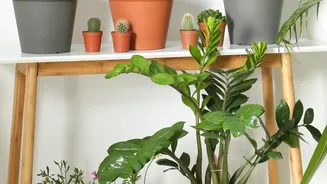
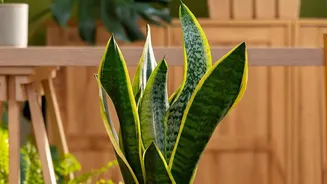
Your journey to becoming a plant parent is much easier if you start with a plant that can handle a bit of learning. Some varieties are notoriously tough and can bounce back from common beginner mistakes. Look for plants like the Snake Plant, ZZ Plant, or Pothos.
These are known for their resilience and ability to tolerate a wide range of conditions, from lower light to the occasional missed watering. Choosing an easy-care plant sets you up for success and builds your confidence as you learn the ropes. Many of these starter plants are also excellent at communicating their needs; for example, a Pothos will look limp and droopy when it's thirsty, making it easy to know when to water it.
Understand Light, Your Plant's Food
Light is the most critical factor for plant health, as it's how they create their food. Before you even buy a plant, assess the light in your home. 'Low light' doesn't mean no light, and 'bright, direct light' can scorch the leaves of many popular tropical plants. A simple way to test is to observe the shadows. A sharp, clear shadow indicates direct light, while a soft, fuzzy shadow means bright, indirect light—the sweet spot for most common houseplants. North-facing windows offer gentle, indirect light all day, while south-facing windows provide intense sun. Always match the plant to the light you have, not the other way around.
Master the Art of Watering
Overwatering is the single most common mistake new plant owners make. It's born from a desire to care for the plant, but constantly wet soil suffocates roots, leading to root rot. Instead of watering on a rigid schedule, like every Sunday, check the soil first. The most reliable method is the finger test: stick your finger about two inches into the soil. If it feels dry, it's time to water. If it's still moist, wait a few more days. When you do water, do so thoroughly. Pour water over the soil until it freely drains from the bottom of the pot. This ensures the entire root system gets a drink. Then, be sure to dump out any excess water from the saucer so the plant isn't left sitting in a puddle.
The Right Pot and Soil Are Crucial
A plant's home is just as important as the water and light it receives. The most critical feature of any pot is a drainage hole. Without it, excess water has nowhere to go, creating a swampy environment that guarantees root rot. If you fall in love with a decorative pot that lacks a hole, use it as a 'cachepot'. Keep your plant in its plastic nursery pot (which has holes) and simply place it inside the decorative one. Similarly, using the right soil is key. Most houseplants thrive in a loose, well-draining indoor potting mix, not heavy garden soil, which compacts easily and retains too much water.
Observe and Learn from Your Plant
Your plants will tell you what they need; you just have to learn their language. Yellowing leaves can be a sign of overwatering. Leaves that are brown and crispy at the edges might indicate the air is too dry. A plant that is stretching and becoming 'leggy' with long spaces between its leaves is likely not getting enough light. Don't be afraid if you see a yellow leaf or two—it's a natural part of a plant's life cycle. However, pay attention to patterns. Taking a moment each week to look over your plants will help you spot potential issues early, before they become big problems.