


The Dreaded Kitchen Traffic Jam
For anyone who loves to host, the kitchen can quickly become a zone of high stress rather than creative joy. You have a chicken roasting in the oven, but your potatoes need to bake at a different temperature. Your soup needs the blender, but so does the sauce
for your appetiser. This competition for key equipment—the oven, the stovetop, the food processor—is a primary source of hosting anxiety. It forces a frantic, inefficient workflow, leaving you feeling more like a harried line cook than a gracious host. The result is often mistimed dishes, a mountain of washing up, and the feeling that you missed your own party because you were trapped in a logistical nightmare. This is what happens when a menu is built around equipment availability rather than culinary harmony.
The Ingredient-Sharing Philosophy
Now, imagine a different approach. Instead of focusing on which appliance is free, you focus on a core set of harmonious ingredients. This is the ingredient-sharing philosophy: designing a menu where multiple dishes feature the same key components in different and exciting ways. A bunch of fresh parsley isn’t just for one garnish; it’s minced into meatballs, blended into a zesty dressing, and scattered over a final dish. A bag of lemons is used for its juice in a marinade, its zest in a dessert, and its wedges for serving. This strategy is efficient, economical, and creatively stimulating. It streamlines your shopping list, reduces food waste, and simplifies your prep work, as you can chop, zest, and juice for multiple recipes at once. Best of all, it frees you from the tyranny of the oven timer.
Building Your Smart Menu
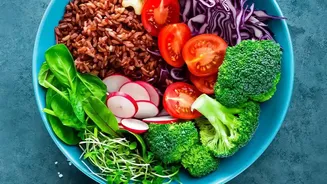
Adopting this approach is straightforward. Start by choosing a 'hero' ingredient or a flavour profile. This could be a seasonal star like tomatoes in the summer or root vegetables in the winter. It could also be a theme, like a Mediterranean menu where lemon, feta, and oregano can shine across several dishes. Once you have your anchor, build outwards. Ask yourself: how can this ingredient play different roles? A tomato can be slow-roasted for an appetiser, blended into a fresh sauce for a main, and sliced raw in a salad. Plan for a mix of temperatures and textures. Not every dish should be hot; including dishes that can be served at room temperature, like a marinated bean salad or a grain bowl, is a secret weapon for freeing up stovetop and oven space. Many components can be made ahead, which is a core principle of stress-free hosting.
A Sample Menu in Action
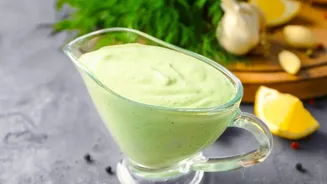
Let's make this concrete with a lemon-and-herb-themed menu. You buy a large bunch of dill, a bag of lemons, and a block of feta. Appetiser: Whipped feta dip with lemon zest and fresh dill, served with store-bought pita bread. This requires no cooking. Main Course: Lemon-and-dill baked salmon fillets. This dish is simple, cooks relatively quickly, and can be served warm or at room temperature. Side Dish 1: A cucumber salad with a simple dressing of lemon juice, dill, and a touch of olive oil. Again, no cooking required. Side Dish 2: Roasted potatoes tossed with lemon wedges and a sprinkle of salt. These can roast alongside or before the salmon. Notice the workflow: the 'cooking' is limited to two items that can share the oven, while the other components are fresh and simple to assemble. One set of ingredients, four distinct and delicious results.
Embrace a Prep-Ahead Mindset
This philosophy works best when paired with a commitment to preparing things in advance. Dips and dressings can be made the day before. Vegetables can be chopped and stored. By the time your guests arrive, your job should be one of assembly and final touches, not frantic, from-scratch cooking. This not only reduces stress but also ensures you have time to clear the initial prep clutter, leaving your kitchen looking calm and under control. By focusing your menu on shared ingredients, you are not just planning a meal; you are designing an experience—one where you are a relaxed and present participant, not just the staff.