



From Special Menus to Total Immersion
For years, the Indian restaurant industry has marked festivals with special offerings. A Navratri thali, a winter menu with Sarson Da Saag, or a Christmas buffet were familiar sights. However, a significant shift is underway. Today’s diners are seeking
more than just food; they are looking for a complete cultural experience. Restaurants are responding by transforming their spaces into vibrant celebrations. This includes elaborate decorations like floral pookalams for Onam, live traditional music, and even cultural performances like puppet shows. The goal is to create a holistic atmosphere that captures the spirit of the festival, making the meal an event rather than just a transaction. It’s a move from passive dining to active participation in a cultural celebration.
The Rise of the Experience Economy
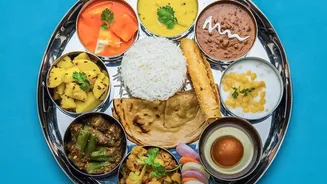
This trend is deeply connected to the global rise of the “experience economy,” where consumers, particularly younger generations, prioritise memorable activities over material goods. A meal is no longer just about satisfying hunger; it's about creating shareable moments and engaging stories. Indian restaurants are tapping into this by offering experiences that are both authentic and highly photogenic. An Onam Sadhya served on a traditional banana leaf with over twenty dishes is not just a feast but a visual spectacle. These events provide a sense of connection and community, which diners are increasingly willing to pay a premium for. By creating these unique, time-bound events, restaurants are successfully drawing in crowds looking for something special.
Spotlighting Regional Traditions
One of the most exciting aspects of this trend is the spotlight it places on India's vast regional diversity. While major festivals like Diwali and Holi have long been part of the mainstream, restaurants are now platforming lesser-known regional celebrations. Diners in Delhi or Mumbai can experience an authentic Onam Sadhya from Kerala, a Parsi New Year feast, or the flavours of a Bengali Durga Puja bhog. Establishments are hosting food festivals dedicated to the cuisines of Bihar, Jharkhand, and Goa, introducing patrons to a wider spectrum of Indian food culture. This serves a dual purpose: it educates diners and helps preserve culinary traditions that might otherwise remain confined to their regions of origin.
The Business of Celebration
From a business perspective, embracing festival dining is a powerful strategy. It allows restaurants to differentiate themselves in a crowded market, create buzz, and drive footfall during specific periods. These curated events often command higher price points, as they offer more than a standard à la carte menu. They also provide excellent marketing opportunities, generating social media content and word-of-mouth publicity. For many establishments, it's about building a loyal community that returns for these unique annual traditions. Some restaurants even find success by adding non-vegetarian options to traditionally vegetarian feasts like the Sadhya, catering to a wider range of palates and making the festive meal more indulgent for some diners.
Authenticity in a Commercial World
As with any commercialisation of culture, the question of authenticity arises. Are these restaurant-led festivals a genuine celebration of heritage, or simply a marketing gimmick? The most successful examples manage to strike a fine balance. They do so by collaborating with home cooks and regional culinary experts to ensure recipes and rituals are respected. Many chefs see it as a way to honour and preserve the food traditions they grew up with. While the setting may be a modern restaurant instead of a family home, the core of the experience—the flavours, the sense of community, and the spirit of celebration—remains intact. The focus on authentic recipes and high-quality ingredients ensures that the cultural essence is not lost.