






What Exactly Is El Niño?
El Niño is a naturally occurring climate phenomenon characterised by the unusual warming of surface waters in the central and eastern equatorial Pacific Ocean. This oceanic warming disrupts normal atmospheric circulation patterns across the globe. Think
of it as a large stone dropped into the world's biggest pond; the ripples affect weather everywhere. For India, the most significant ripple effect is its relationship with the vital southwest monsoon, the lifeblood of the country's agriculture and economy. While not every El Niño results in a drought, a strong event significantly increases the probability of a weaker, deficient monsoon.
Forecasts Signal a Potentially Historic Event
Current projections from global agencies like the World Meteorological Organization (WMO) and NOAA are cause for concern. As of August 2026, a moderate El Niño is already in place and is forecast to strengthen into a 'strong' or even 'very strong' event by late 2026. Some models suggest it could rank among the most powerful events recorded since 1950. The India Meteorological Department (IMD) has aligned with these global forecasts, noting that the conditions are expected to continue strengthening through the remainder of the monsoon season. This has prompted projections of below-normal rainfall for the latter half of the season.
The Critical Monsoon Connection
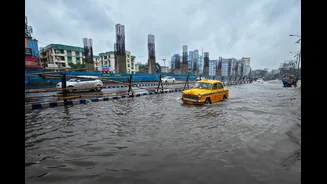
India's economy is fundamentally tied to the monsoon. A strong El Niño typically weakens the forces that drive moisture-laden winds from the ocean onto the Indian subcontinent. This can lead to a delayed onset, long dry spells (known as monsoon breaks), and a spatially uneven distribution of rain. The IMD has already forecast below-normal rainfall for August. This doesn't mean no rain at all; paradoxically, a weaker monsoon season can sometimes feature erratic, intense downpours that cause floods in some areas while leaving others parched. This dual threat of overall deficit and unpredictable extremes makes resource management exceptionally challenging.
Impact on the Fields and Farms
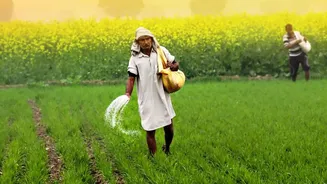
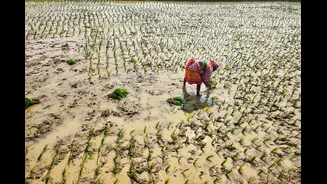
The most immediate and severe impact is on agriculture. Nearly half of India’s sown area is rain-fed, making the kharif (summer) crops like rice, pulses, soybeans, and cotton highly vulnerable. Deficient rains can lead to delayed sowing, reduced crop yields, and, in worst-case scenarios, crop failure. This directly impacts the livelihoods of millions of farmers who make up a significant portion of India's workforce. Lower production in key crops can quickly translate into supply shortages, threatening the country's food security and pushing millions of households to the brink.
The Ripple Effect on the Economy
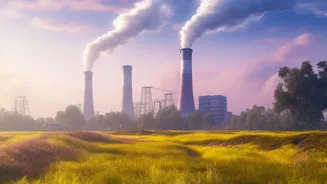
The consequences extend far beyond the farm gate. A poor harvest puts upward pressure on food prices, driving inflation that affects every household budget. Reduced agricultural income dampens rural demand for everything from tractors to consumer goods. Furthermore, low rainfall depletes water levels in major reservoirs, impacting drinking water supplies and, crucially, reducing the potential for hydropower generation. This can increase the country's reliance on coal-fired power plants during a period of potentially higher electricity demand due to hotter-than-usual conditions.
A Nation on Alert
The Indian government is not sitting idle. Learning from past El Niño events, authorities are in a state of 'preparedness, not panic'. The government has reportedly identified hundreds of districts vulnerable to drought and is readying contingency plans. These plans involve promoting drought-resistant crop varieties, ensuring the availability of seeds for late-sown crops, and preparing for efficient water management. The close monitoring of forecasts from the IMD and global agencies allows for proactive measures to mitigate the worst effects on farmers and the economy.