






A Pinch in the Pocket
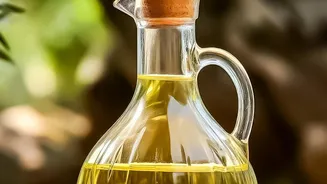
Across India, households are feeling the financial strain as the cost of edible oils has seen a significant spike. Over the past year, prices for popular vegetable oils have climbed by nearly 20%. This increase is not a minor fluctuation; it represents
a substantial hit to the monthly budget of millions. For an item that is fundamental to Indian cooking, this sharp rise has a direct impact on daily life, forcing families to either absorb the higher cost or cut back. The price pressure is particularly noticeable as the festive season approaches, a time when oil consumption for sweets and savouries typically increases.
A Perfect Storm of Global Factors
The primary reason for the price hike lies far beyond India's borders. India is the world's largest importer of vegetable oils, sourcing nearly two-thirds of its demand from international markets. This dependency makes the country highly vulnerable to global disruptions. A combination of factors is currently at play. Key palm oil producers like Indonesia and Malaysia are diverting more of their supply to produce biodiesel, reducing the amount available for export. At the same time, unpredictable weather patterns linked to El Niño are affecting crop yields in major producing regions, while geopolitical tensions continue to disrupt sunflower oil supplies from the Black Sea area. Experts predict that global edible oil production will struggle to keep up with consumption this year, creating a supply deficit that keeps prices firm.
The Government's Balancing Act
In response to rising prices, the Indian government faces a difficult policy dilemma. To provide relief to consumers, it can lower import duties on edible oils. However, this move can negatively affect domestic oilseed farmers by making their produce less competitive against cheaper imports. In May 2025, the government did reduce the basic import tax to bring the effective duty on crude oils to 16.5%, but global prices rose shortly after, partially negating the benefit for Indian consumers. Now, with prices remaining high, policymakers are once again considering a duty cut ahead of the festival season to ease the burden on households. The challenge is to find a balance that cools inflation without discouraging domestic production, which is crucial for India's long-term goal of reducing import dependency.
The Ripple Effect in Every Kitchen
The impact of rising oil prices extends beyond just the cost of a bottle of sunflower or palm oil. It is a key driver of overall food inflation. From the street vendor frying samosas to the home cook preparing a festive meal, the higher cost gets passed down, making a wide range of foods more expensive. When oil prices rise, so do the operational costs for restaurants and food manufacturers, contributing to the broader inflation that has seen retail inflation accelerate. For many households, especially those with lower incomes, this means making difficult choices: reducing consumption, switching to cheaper, lower-quality oil alternatives, or cutting back on other essential spending.