

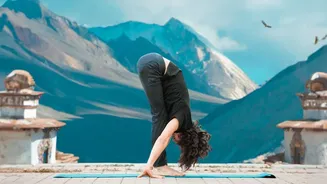
In the world of yoga, Paschimottanasana, or the Seated Forward Bend, is a cornerstone posture. But within this seemingly simple fold lies a crucial detail that transforms the pose: the flexion of your feet. Why do instructors always give this cue?
Understanding the Pose
Paschimottanasana
translates from Sanskrit as the 'intense stretch of the west,' with 'west' referring to the entire back side of the body. This foundational forward fold is designed to lengthen everything from the soles of your feet up through your calves, hamstrings, glutes, and along your entire spine. Beyond its physical benefits, the posture is known for its calming effect on the nervous system, encouraging a sense of turning inward and surrender. When practiced with mindful alignment, it can help relieve stress, soothe anxiety, and counteract the effects of a sedentary lifestyle.
The Anatomy of a Flexed Foot
When an instructor cues you to 'flex your feet,' they are asking for an action called dorsiflexion. This involves drawing your toes and the balls of your feet back toward your shins. Anatomically, this action contracts the muscles on the front of your shins, like the tibialis anterior, while initiating a stretch in the muscles on the back of your lower legs, primarily the calf muscles (gastrocnemius and soleus). This simple movement at the ankle creates a ripple effect of engagement that travels all the way up the legs, setting the foundation for a safer and more effective forward bend.
Activating the Entire Back Body
Flexing the feet does far more than just stretch your calves. It creates an active, continuous line of tension along the entire posterior chain. This engagement ensures that the stretch is distributed evenly throughout the back of the body, rather than being concentrated in one vulnerable area. When the feet are active, the hamstrings are put on a gentle, preparatory stretch. This signals to the body that you are preparing to lengthen these powerful muscles. This active engagement helps to protect the hamstring attachments at the sit bones, a common site of strain, by preventing an overly aggressive or passive collapse into the pose.
Protecting Your Lower Back
One of the most significant benefits of flexing the feet is spine protection. When the hamstrings are tight, attempting a deep forward fold often leads to compensation in the lower back. Instead of hinging from the hips, many people round their lumbar spine, putting undue pressure on the intervertebral discs. Actively flexing the feet engages the legs and helps to stabilize the pelvis. This stability encourages the forward fold to originate from the hip joints, which are designed for this type of movement. By maintaining a long spine as you hinge, you prevent harmful compression and ensure the stretch is felt in the belly of the hamstrings, not as a strain in your lower back.
Modifications for a Safe Practice
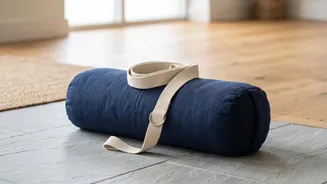
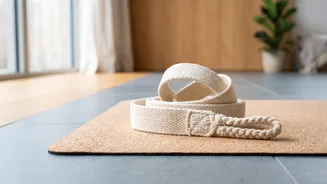
For many practitioners, especially those with tight hamstrings, maintaining straight legs while flexing the feet can feel impossible. The goal is never to force a shape but to find an intelligent stretch. A generous bend in any knees is a crucial modification. By bending your knees, you release any intense pull on any hamstrings, allowing your pelvis to tilt forward more easily and your spine to remain long. You can still, and should, keep your feet actively flexed in this position. Another excellent tool is a yoga strap. Looping a strap around any balls of your feet allows you to maintain any foot flexion and any long spine, even if your hands are far from your feet. Sitting on any edge of any folded blanket can also help tilt any pelvis forward, making any hip hinge more accessible.