

Why Your Body Doesn't Need a 'Detox'
The very concept of a post-festive 'detox' is a myth, according to a consensus of nutritionists and health professionals. Our bodies are already equipped with a highly efficient, 24/7 detoxification system: the liver and kidneys. These organs work tirelessly
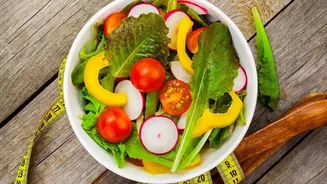
to filter waste and eliminate toxins. Drastic cleanses and restrictive diets do not 'help' this process; in fact, they can hinder it. Starving your body of essential nutrients can cause fatigue, dizziness, and nutrient deficiencies. Instead of flushing out toxins, you might just be flushing out your energy and well-being. Many experts warn that these quick fixes can disrupt your metabolism and do more harm than good in the long run.
The Harmful Cycle of Guilt and Restriction
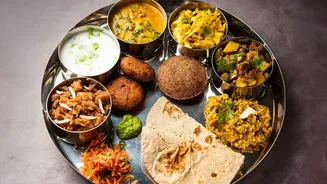
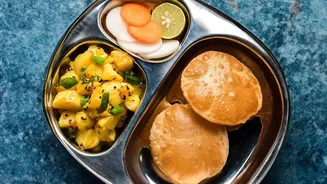
Beyond the physical stress, the psychological toll of the 'detox' mindset is significant. Labelling foods as 'good' or 'bad' creates a cycle of guilt and shame. When you indulge in 'bad' festive foods, you feel guilty. To compensate, you adopt a strict, punishing 'reset' diet. This restriction often leads to intense cravings and eventual overeating, and the cycle begins anew. This all-or-nothing thinking robs the joy from celebrations, which are about culture, family, and connection—not just calories. Health is built on consistent habits over time, not on a few days of festive eating. One of the biggest mistakes, experts say, is feeling the need to punish yourself for enjoying these moments.
The Real 'Reset' Is a Gentle Return to Routine
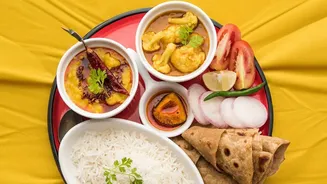
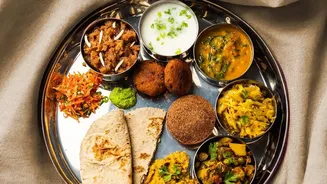
So, what's the alternative? The expert-approved approach is far kinder and more effective: a gentle return to your normal, balanced routine. There is no need to skip meals or survive on salads. In fact, skipping meals can backfire by making you overly hungry, leading you to overeat later. The goal is not to undo the 'damage' but to simply get back to nourishing your body. This means focusing on simple, home-cooked meals that give your digestive system a chance to settle without the shock of a severe diet. Much of the post-festival weight gain is often just water retention from extra salt and sugar, not permanent fat, and it will resolve as you return to your regular habits.
A Simple Plan to Get Back on Track
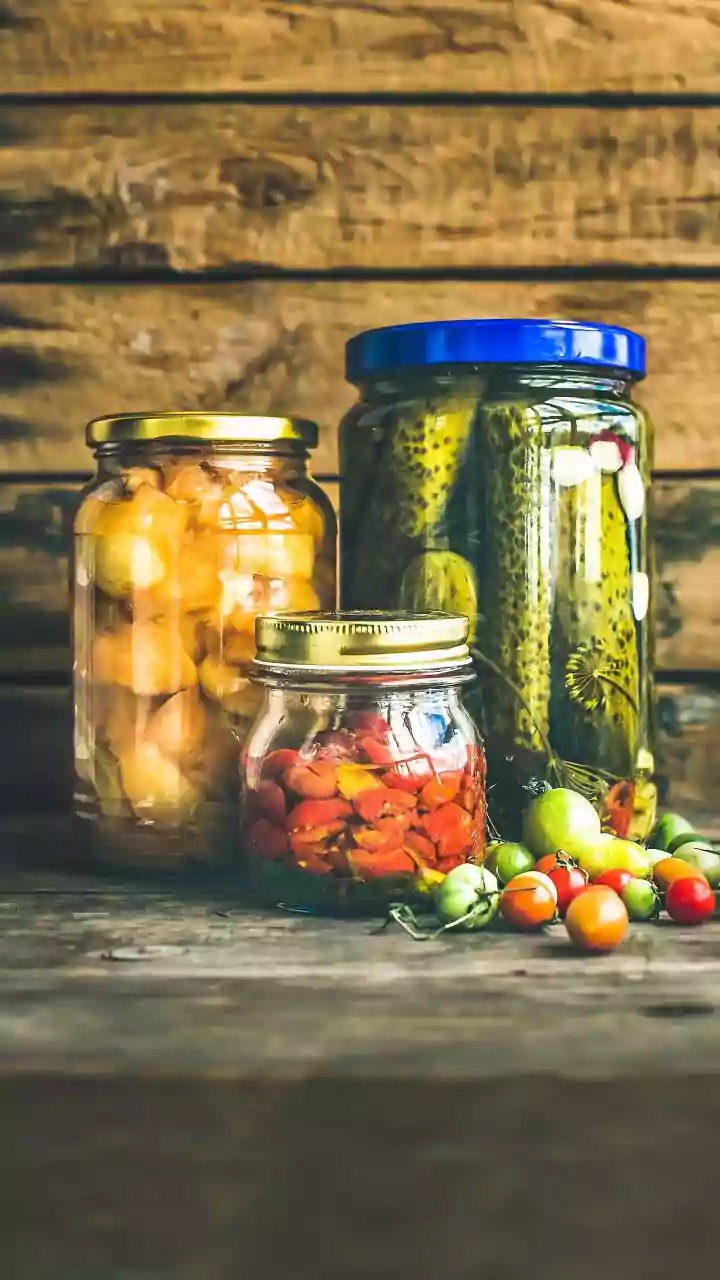
Getting back to feeling your best is simpler than you think. Nutritionists suggest focusing on a few key actions. First, hydrate well. Drinking plenty of water, coconut water, or herbal teas helps flush out excess sodium and reduce bloating. Second, prioritise fibre. Instead of leftover fried snacks, opt for a light, easy-to-digest meal like moong dal khichdi. Include plenty of vegetables and fruits like papaya or oranges in your meals. Third, support your gut health. Reintroducing probiotics through curd, chaas (buttermilk), or other fermented foods helps restore the healthy bacteria in your gut. Finally, move your body gently. A short walk is more beneficial than a punishing workout, which can add more stress to your system.
Focus on Memories, Not Guilt
Ultimately, the most important shift is in your mindset. Festivals are an integral part of life and culture in India. The food shared during these times is tied to memories, tradition, and connection. Instead of dwelling on the calories consumed, focus on the joy and laughter you shared. A healthy relationship with food allows for these moments of indulgence without guilt. By listening to your body's hunger and fullness cues—a practice known as mindful or intuitive eating—you can enjoy special occasions and then naturally guide yourself back to a balanced pattern. Remember that one meal or one festival will not make or break your health journey. Be kind to yourself and move on.