








Before You Leave: Check and Prepare
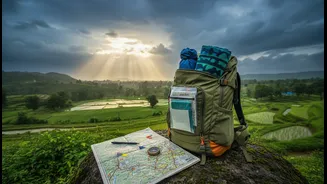
The key to safe monsoon travel is planning ahead. Before starting any journey, always check the latest weather forecasts from reliable sources like the India Meteorological Department (IMD). As of early July 2026, the monsoon is active across most of the country,
with heavy rainfall warnings in place for various states including Gujarat, Maharashtra, Karnataka, and parts of the Northeast. Authorities often issue travel advisories for specific routes, so being informed can help you avoid getting stranded. Pack a travel kit with essentials like a fully charged power bank, a first-aid kit, necessary medications, drinking water, and some snacks. Keeping your electronic devices and important documents in waterproof bags is also a wise precaution.
On the Road: Driving with Extreme Caution
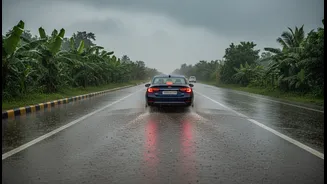
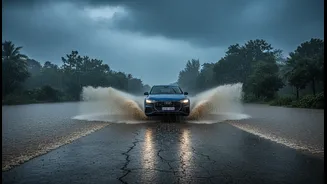
Road travel demands the highest level of caution during the monsoon. Wet roads significantly increase braking distances and the risk of skidding. It's crucial to reduce your speed, maintain a safe distance from the vehicle ahead, and use low-beam headlights to improve visibility without blinding other drivers. Before the season starts, ensure your vehicle is monsoon-ready: check that your tyres have adequate tread, your brakes are in good condition, and your windscreen wipers are working effectively. Never attempt to drive through waterlogged streets. The water can hide deep potholes or open manholes, and even a few inches of flowing water can cause you to lose control of your vehicle. If your car stalls in water, do not try to restart the engine, as this can cause severe damage. If visibility becomes extremely poor, it is safer to pull over to a secure spot and wait for the rain to subside.
Rail and Air Travel: Expect Delays
While often safer than roads, train and air travel are also prone to monsoon-related disruptions. Heavy rains can lead to flooded tracks, causing significant train delays or cancellations. Similarly, poor visibility can affect flight schedules. Always check your train or flight status before heading to the station or airport. When at railway stations, be mindful of slippery platforms and stay behind the designated safety lines. Building extra buffer time into your travel itinerary is essential during this season; a journey that normally takes a few hours could take much longer.
Staying Healthy During Your Travels
The monsoon season brings a heightened risk of water-borne and vector-borne diseases like diarrhea, typhoid, dengue, and malaria. To protect yourself, drink only boiled, filtered, or sealed bottled water. Be wary of street food, especially items that are uncooked or have been left exposed. Opt for fresh, hot meals whenever possible. Personal hygiene is paramount; wash your hands frequently with soap, especially before eating. To prevent mosquito bites, use repellents and wear clothing that covers your arms and legs, particularly during dawn and dusk. If you get wet in the rain, change into dry clothes as soon as possible to avoid fungal infections and catching a cold.
Special Care in Hilly Regions
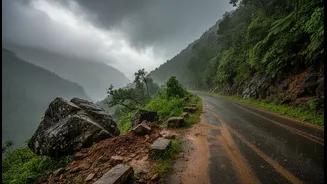
Traveling in hilly areas like the Himalayas or the Western Ghats requires special vigilance during the monsoon due to the increased risk of landslides and flash floods. Heavy rainfall can saturate slopes, leading to dangerous conditions. The National Disaster Management Authority (NDMA) issues specific guidelines and warnings for these vulnerable regions. It is best to avoid night driving on hill roads and to always check local conditions and official alerts before proceeding. Many national parks and trekking routes are closed during this period for safety reasons. If you must travel, choose well-maintained national highways and be prepared for sudden road closures.