








Beyond the Brew: What Are Functional Sips?
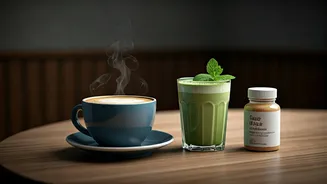
So, what exactly is a 'functional beverage'? Simply put, it's any non-alcoholic drink designed to offer health benefits beyond basic hydration and taste. [3, 11] Think of your morning coffee not just as a caffeine kick, but as a brain-booster with added
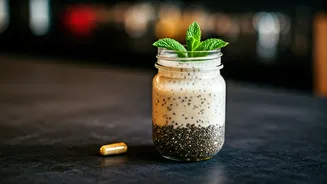
Lion's Mane mushroom, or a smoothie that also packs a protein punch. [3, 19] The trend is a response to growing consumer demand for products that do more. [3, 20] Driven by a post-pandemic wellness boom, urban Indians are increasingly seeking out food and drinks that support immunity, digestive health, mental clarity, and overall well-being. [2, 14] This isn't just about avoiding sugary sodas; it's about actively choosing ingredients like probiotics for gut health, adaptogens for stress relief, and antioxidants for cellular support. [9, 21]
A Recipe for Change: Why Now?
Several factors are fueling this shift from indulgent to intentional sipping. A surge in health consciousness, particularly after the pandemic, has made consumers more aware of what they put in their bodies. [14] This is coupled with rising disposable incomes and the global exposure of millennials and Gen Z, who discover trends on social media and demand more sophisticated, non-alcoholic options. [4, 20] As a result, the Indian health beverage market is projected to grow exponentially, with some analysts predicting it could reach USD 30 billion by 2026. [14] Cafes, traditionally seen as a 'third place' for work and socialising, are perfectly positioned to cater to this new, health-aware customer. [17, 18] The aesthetic appeal and branding of these drinks also play a huge role, marketing them as high-end, aspirational products. [3]
On the Menu: From Ashwagandha to Kombucha
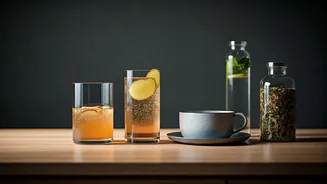
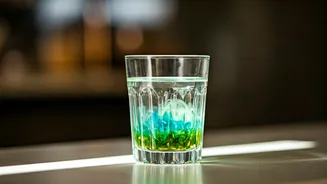
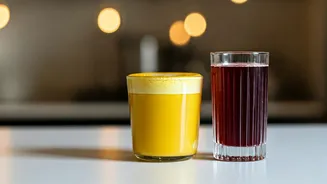
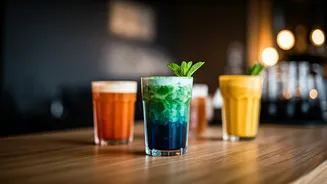
Walk into a trendy urban cafe today, and the menu might surprise you. You're likely to find Kombucha, a fermented tea celebrated for its probiotic content, available on tap. [3, 7] You might also see functional coffees infused with adaptogens like Ashwagandha, a herb rooted in Ayurvedic tradition known for its stress-relieving properties. [22, 25] Other popular ingredients include turmeric, ginger, and tulsi (holy basil), all of which have a long history in Indian home remedies and are now being presented in modern, cafe-friendly formats like golden lattes and herbal wellness teas. [11, 21] Protein-infused drinks, catering to fitness enthusiasts, and colourful butterfly pea flower teas, which change hue with a squeeze of lemon, are also becoming staples, proving that healthy can also be exciting and visually appealing. [3]
The Cafe's New Identity
This trend is redefining the very role of the cafe in urban India. It’s no longer just a place for a caffeine fix or a sweet treat; it’s becoming a wellness hub. This evolution requires cafes to do more than just update their menus. It involves sourcing new and sometimes exotic ingredients, training baristas to explain the benefits of adaptogens and probiotics, and creating a narrative that blends health with experience. [7, 19] Operators are finding that while consumers are curious about 'better-for-you' options, they won’t compromise on taste. [19] The success lies in subtly integrating these functional elements, positioning them as natural, premium choices rather than medicinal supplements. [7] The cafe is transforming from a place of simple indulgence to one of mindful consumption.
A Lasting Change or a Fleeting Fad?
While mushroom coffee might sound like a passing trend, the move towards functional beverages in India seems built to last. This is because it taps into a deep cultural appreciation for wellness and natural remedies, rooted in traditions like Ayurveda. [21, 22] The modern functional drink is, in many ways, a premium, convenient repackaging of traditional Indian superfoods like millets, moringa, and turmeric. [9] As consumers continue to prioritize health, read labels more carefully, and seek products that align with their lifestyle goals, the demand for drinks that deliver both flavour and function is only expected to grow. [12, 13] This isn't just about importing a global trend; it's about reinterpreting local wisdom for the modern urban consumer.