


The great annual vacation is no longer the only trip on the calendar. A fundamental shift in how we work is reshaping how we relax, with professionals across India trading one big holiday for more frequent, shorter getaways closer to home.
The Calendar Gets a Makeover
Not long ago,
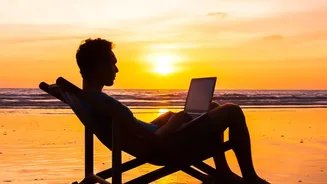
the rhythm of work and travel was predictable. Most professionals worked a rigid five-day week and planned their year around a handful of public holidays and a single, precious block of annual leave. This structure naturally favoured long, meticulously planned vacations to far-flung destinations. Today, that model is rapidly being rewritten. The widespread adoption of remote and hybrid work models has untethered millions from the traditional office, introducing a level of flexibility that was once a niche perk. This newfound freedom isn't just changing where we work; it's fundamentally altering when and how we take a break. Instead of hoarding leave for a once-a-year escape, employees can now seize smaller, more spontaneous opportunities for leisure. The ability to work from a different location or adjust start and end times means a long weekend is no longer just a three-day affair but can easily stretch into a four or five-day regional escape without formally dipping into a limited leave balance.
Redefining the 'Vacation'
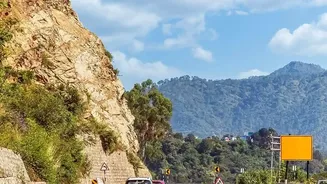
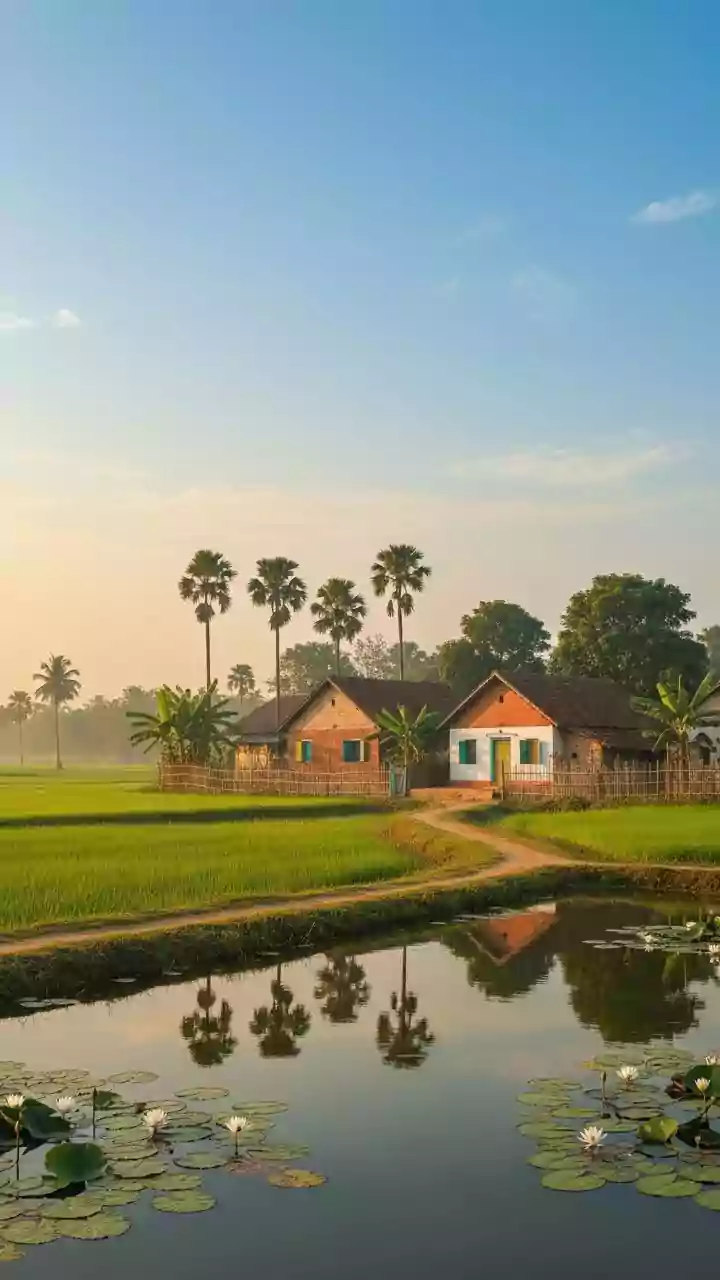
This shift in logistics is accompanied by a psychological one. The purpose of a vacation is evolving from a grand, annual escape to a more regular practice of mental and emotional reset. Intense work schedules and the 'always-on' nature of digital life have increased awareness around burnout and the importance of work-life balance. Shorter, more frequent trips serve as vital pressure-release valves. A quick two-day trip to a nearby hill station, beach town, or wellness retreat can be more manageable and just as restorative as a complex ten-day international tour. These mini-breaks, often called 'staycations' or regional escapes, require less planning, involve less travel stress, and carry a smaller price tag, making them an accessible and repeatable form of self-care. The focus moves from 'seeing the world' to 'changing your scenery' for a brief but effective recharge.
The Rise of the 'Bleisure' Trip
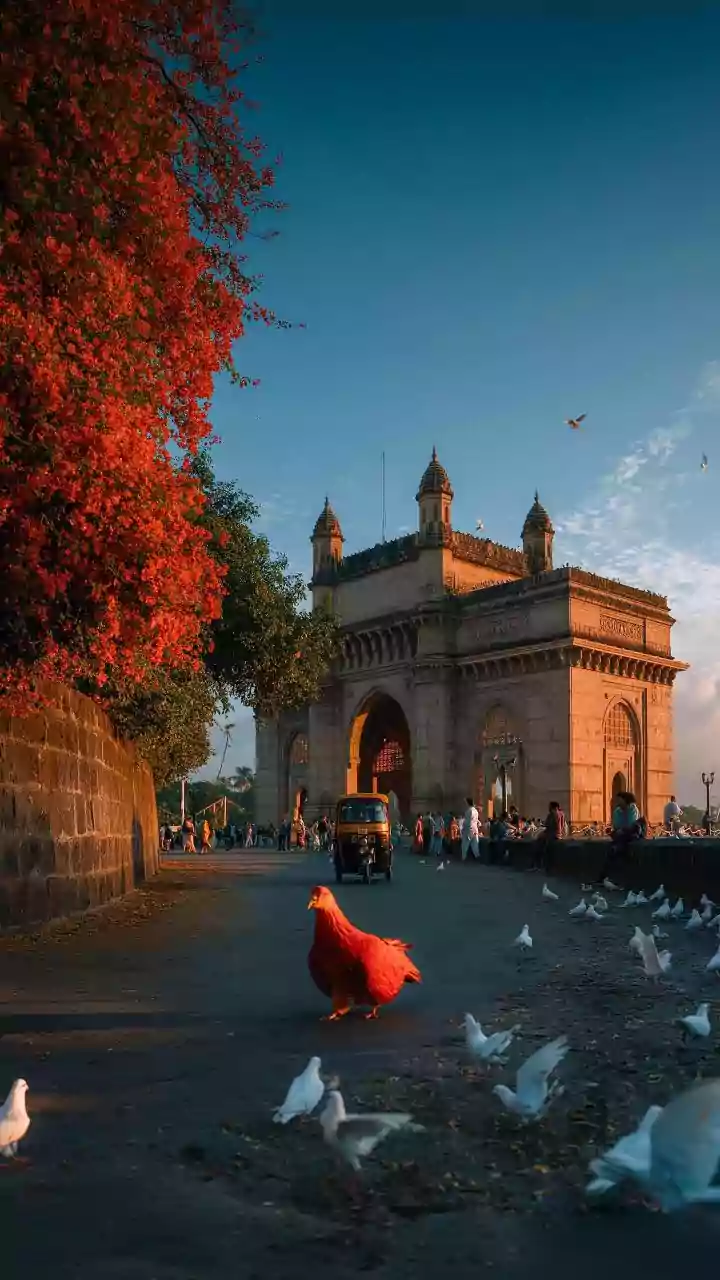
One of the most significant trends to emerge from this new work culture is 'bleisure'—the blending of business and leisure travel. India, in fact, is a global leader in this space, with a recent report noting that 81% of Indian business travellers extend their work trips for leisure, surpassing the global average. Flexible schedules empower professionals to add a few personal days onto the end of a work trip to explore a new city. A business meeting in Bengaluru might now be followed by a weekend exploring Coorg, or a conference in Delhi could lead to a quick getaway to the hills of Himachal Pradesh. This is made even easier by the fact that many remote workers find themselves travelling to different 'third places' to work, which are not their primary home or office. This trend is a win-win: employees get to explore more without taking extra leave, and employers benefit from higher morale and job satisfaction.
Economic and Local Impact
The preference for local escapes is also creating a significant economic ripple effect. It diverts tourism spending from international airlines and foreign hotels to domestic hospitality providers. Homestays, boutique hotels, and resorts within a few hours' drive of major metropolitan hubs like Mumbai, Delhi, and Bengaluru are experiencing a surge in demand. This trend supports local economies and encourages the development of tourism infrastructure in previously overlooked regional destinations. Unlike traditional tourists who might visit during peak seasons, remote workers can travel yearround, helping to flatten the seasonal spikes and dips that challenge many tourist economies. Longer stays, often for a month or more, are also becoming more common, as travellers settle in to work and live like locals, integrating more deeply and spending more consistently within the community.