






Embracing a 'Warming' Diet
As the skies open up and the air becomes heavy with moisture, our bodies can feel the effects. According to traditional Indian wisdom, particularly Ayurveda, this damp and cool environment can weaken our 'agni' or digestive fire. This leads to that familiar
feeling of bloating, indigestion, and general lethargy. The trend, then, is to counteract this by embracing 'warming' foods. This doesn't necessarily mean eating piping hot meals, but rather incorporating ingredients that are known to generate internal heat, boost metabolism, and aid digestion. It’s a simple, intuitive shift: fighting the cold, damp outside with warmth from the inside. This age-old practice is seeing a major resurgence as people look for natural, sustainable ways to stay healthy.
Your Monsoon Spice Trinity
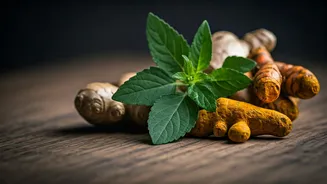
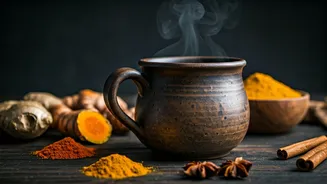
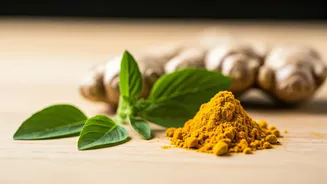
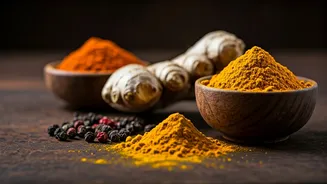
The heart of this kitchen-first trend lies in your masala dabba. Three spices, in particular, become superstars during the monsoon: ginger, turmeric, and black pepper. **Ginger (Adrak):** This humble root is a powerhouse. Its anti-inflammatory properties are excellent for soothing a sore throat, a common monsoon ailment. It’s also a fantastic digestive aid, helping to break down food and prevent the bloating that plagues so many during this season. A cup of adrak chai isn’t just comforting; it's a shield. **Turmeric (Haldi):** Known for its potent compound, curcumin, turmeric is a natural immunity booster. Its antiseptic and anti-inflammatory qualities help the body fight off infections that are more prevalent in the damp weather. A pinch of haldi in warm milk before bed is a timeless remedy for a reason. **Black Pepper (Kali Mirch):** This spice does more than just add a kick. It contains piperine, a compound that not only has its own antioxidant benefits but also dramatically increases the absorption of curcumin from turmeric. This makes the turmeric-pepper combination a powerful wellness duo.
Choosing the Right Foods
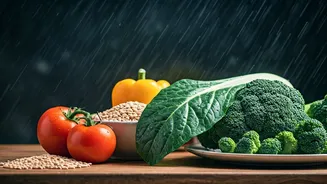
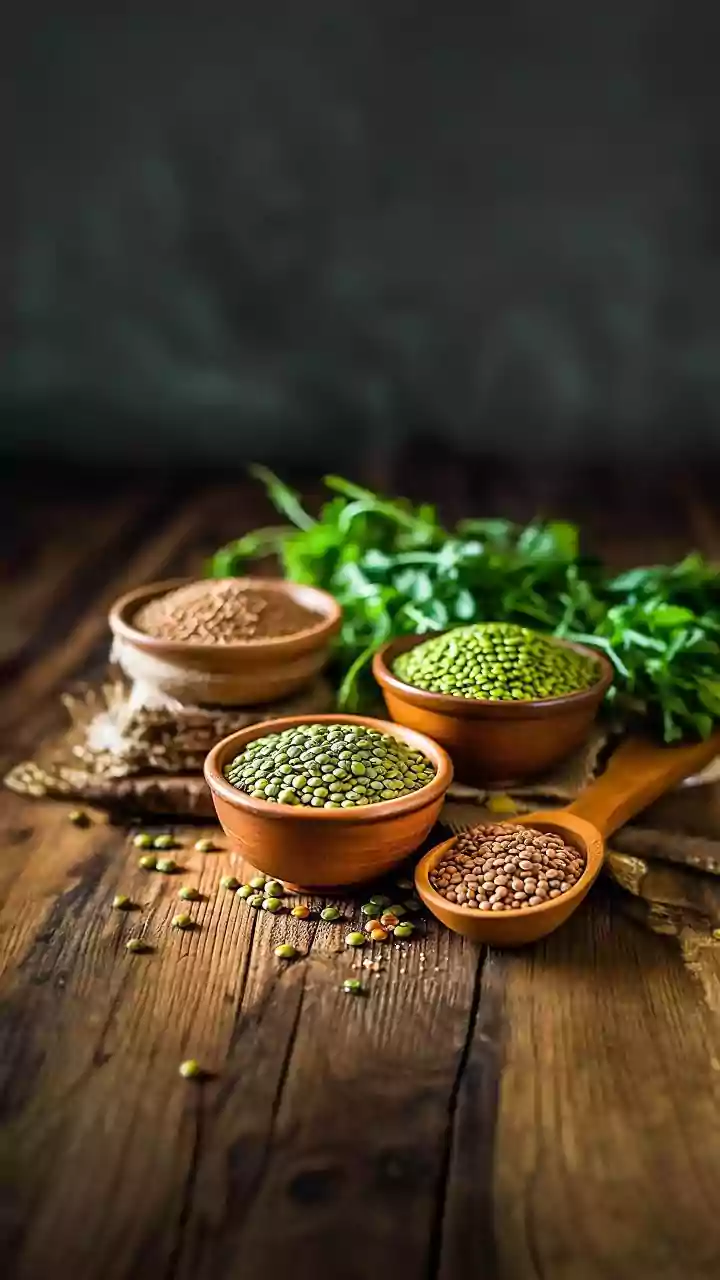
Beyond spices, the trend extends to your main meals. The focus shifts to light, easily digestible foods. Think of moong dal, which is gentle on the stomach, and seasonal vegetables like lauki (bottle gourd) and tori (ridge gourd). These vegetables have high water content and are easy for the body to process. It’s also wise to be cautious with raw foods, especially leafy greens like spinach and cabbage. The high humidity can create a breeding ground for germs on their surfaces. If you do eat them, ensure they are thoroughly washed, perhaps in warm water with a bit of salt or vinegar, and preferably cooked rather than consumed in a raw salad. This simple precaution can save you from a host of water-borne and food-borne illnesses.
Hydration with a Purpose
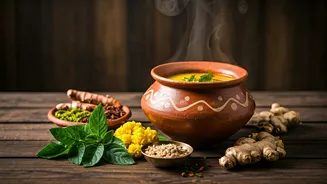
While it's easy to drink less water when you're not feeling thirsty due to the cool weather, staying hydrated is crucial. However, this trend puts a spin on hydration. Instead of ice-cold water, which can further dampen the digestive fire, the focus is on warm liquids. Herbal teas made with tulsi, ginger, and mint are excellent choices. Another popular option is a simple 'kadha'—a decoction made by boiling spices like cloves, cinnamon, cardamom, and black pepper in water. This not only keeps you hydrated but also delivers a concentrated dose of immunity-boosting compounds, helping you proactively fight off infections before they can take hold.
What to Limit This Season
Part of embracing this kitchen trend is also knowing what to avoid. Heavy, oily, and fried foods, including our beloved pakoras and samosas, should be enjoyed in moderation. They are hard to digest and can put extra strain on your system. Street food, especially items that are exposed to the open air or use unverified water sources, is a major risk during the monsoon. Similarly, it's best to reduce the intake of dairy products like yoghurt, as they can be 'cooling' and may increase phlegm for some people. The idea isn't about deprivation, but about making mindful choices that support your body's needs during this specific season.