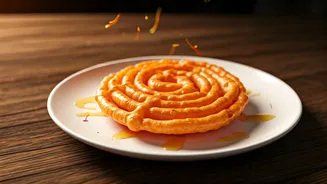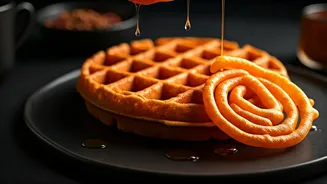





What Exactly Is a Jalebi Waffle?
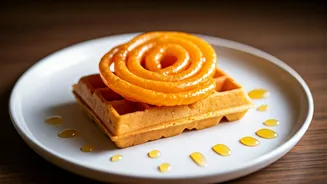
At its heart, the jalebi waffle is a brilliant culinary mashup. It takes the structural integrity and comforting texture of a classic waffle and infuses it with the soul of India's favourite spiral sweet. While there are variations, the most popular method
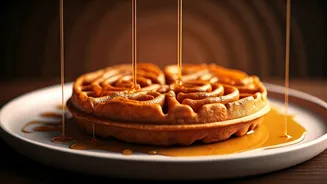
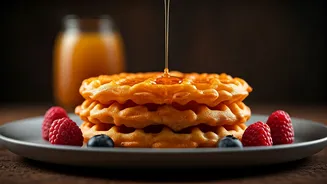
involves preparing a crisp, golden waffle and then drenching it in a warm, cardamom- and saffron-spiced sugar syrup, or 'chashni'—the very same liquid that gives jalebis their signature sticky sweetness. The waffle's pockets are the perfect vessels for trapping this fragrant syrup, ensuring every bite is a burst of flavour. Some chefs even experiment with adding a touch of fermented batter to the waffle mix for that authentic jalebi tang. It’s often served warm, topped with a dollop of creamy rabri, chopped pistachios, and delicate silver varq, elevating it from a simple breakfast item to a decadent dessert experience.
A Perfect Marriage of Texture and Taste
The success of this fusion isn't an accident; it's a thoughtful pairing of complementary elements. A traditional jalebi offers a delightful contrast between its crisp exterior and its slightly chewy, syrup-filled interior. A well-made waffle does something similar, providing a crunchy outer shell that gives way to a soft, fluffy centre. When combined, you get the best of both worlds. The waffle’s sturdy structure holds up beautifully against the sugar syrup, avoiding the sogginess that might plague lesser pastries. It becomes a satisfyingly substantial dish that’s simultaneously light and airy. This textural harmony is what makes the jalebi waffle more than just a gimmick; it’s a genuinely well-designed dish that feels both familiar and thrillingly new.
Tapping into Sweet Nostalgia
For many Indians, the flavour of jalebi is deeply intertwined with memories of celebration, festivals, and simple joys. It’s the sweet treat bought on a Sunday morning, the staple at weddings, and the warm comfort on a cool evening. The jalebi waffle cleverly taps into this powerful nostalgia. It repackages a cherished flavour from childhood into a format that feels modern and globally relevant. Eating one isn’t just about enjoying a new dessert; it’s about re-experiencing a familiar comfort in a different form. This emotional connection is a huge part of its growing appeal, especially among millennials and Gen Z, who appreciate food that tells a story and connects them to their cultural roots in a contemporary way.
The Star of the Café Menu
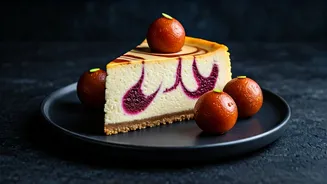
This innovative dish is a prime example of a larger trend in modern Indian cuisine: the creative reinterpretation of 'mithai'. Chefs and home cooks are no longer content with serving traditional sweets in the same old way. We’re seeing gulab jamun cheesecakes, motichoor ladoo parfaits, and rasmalai tres leches cakes pop up in trendy cafes and dessert bars across the country. The jalebi waffle fits perfectly into this movement. It’s visually appealing—making it a star on Instagram—and offers a unique selling proposition for establishments looking to stand out. It transforms the humble jalebi from a street-side snack into a chic, sit-down dessert, perfectly suited for the weekend brunch crowd looking for something special.
Bringing the Trend Home
While you can find jalebi waffles at many forward-thinking cafes, part of their charm is how accessible they are for home cooks. You don't need to be a master 'halwai' to capture the essence of this dish. The easiest way is to prepare your favourite waffle recipe—Belgian-style works best for its deep pockets—and have a simple sugar syrup ready. To make the syrup, just dissolve sugar in water, bring it to a boil, and infuse it with a few strands of saffron and a crushed cardamom pod. For a final touch of authenticity, a hint of rose water can be added. Drizzle the warm syrup over the fresh waffles, top with nuts or a scoop of ice cream, and you have a weekend treat that’s guaranteed to impress.