





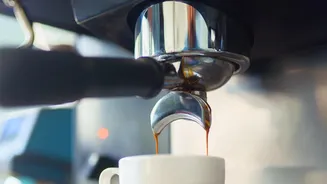
Craving that rich, intense coffee from your favourite café but hesitant to invest in a pricey espresso machine? The good news is you don't have to. A truly satisfying, strong, espresso-like coffee experience is well within your reach at home.
Understanding 'Espresso-Style' Coffee
First, let's
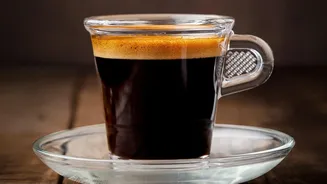
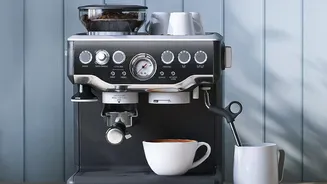
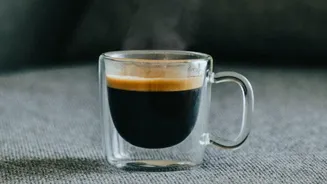
clarify what we mean by 'espresso-style'. True espresso is made by forcing hot water through finely-ground, compacted coffee at very high pressure—around 9 bars or more. This process is what creates the signature syrupy body and stable crema. The methods here don't replicate that exact pressure but produce a similarly concentrated, intense, and full-bodied coffee that serves as an excellent base for drinks like lattes and Americanos, or can be enjoyed on its own as a strong shot. Think of it as capturing the spirit of espresso without the expensive machinery.
The Moka Pot: A Stovetop Icon
The Moka pot, often called a stovetop espresso maker, is a classic Italian invention that uses steam pressure to push water up through coffee grounds. This method produces a rich, bold coffee that is perhaps the most well-known alternative to machine-brewed espresso. For the best results, use a medium-fine grind—finer than for drip coffee but not as powdery as for a true espresso machine. Fill the bottom chamber with water up to the safety valve, fill the filter basket with coffee without tamping it down, and screw the top on tightly. Place it on a low flame and remove it from the heat as soon as the coffee begins to bubble and sputter to avoid a bitter, metallic taste.
The AeroPress: Modern Versatility
The AeroPress is a marvel of modern coffee brewing, prized for its versatility and forgiveness. It uses air pressure, generated by you pushing a plunger, to extract a concentrated shot of coffee in a short amount of time. This pressure, while not at the level of an espresso machine, is enough to create a smooth, rich coffee concentrate. To make an espresso-style shot, use a fine grind and a low coffee-to-water ratio, such as 1:4.5. After adding hot water (around 93°C is a good start) to the grounds, stir for about 10 seconds and then press down firmly and steadily for about 30 seconds. The result is a clean but powerful shot that rivals more complex methods.
The French Press: A Bolder Approach
While typically used for a milder, full-immersion brew, the French press can be adapted to create a surprisingly strong, concentrated coffee. The trick is to alter your technique. Instead of the usual coarse grind, opt for a medium grind. More importantly, significantly increase your coffee-to-water ratio. While a standard brew might be 1:16, for an espresso-style result, try a ratio closer to 1:12 or even lower. Let the coffee steep for the standard four minutes before plunging slowly. You can even experiment with a longer steep time for more extraction. This method will produce a heavy-bodied, rich cup, though it will have more sediment than the other methods.
Key Principles for a Stronger Brew
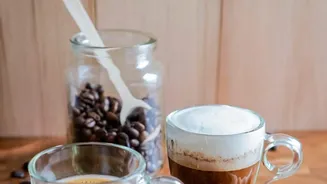
Regardless of the equipment you choose, a few universal principles will always lead to a stronger, more flavourful cup. Start with fresh, high-quality beans and grind them just before brewing; this is the single biggest upgrade you can make to your home coffee. Pay attention to your coffee-to-water ratio—using more coffee or less water is the most direct path to a stronger brew. A good starting point for a strong cup is a 1:15 ratio, and you can adjust from there to your taste. Finally, ensure your water is hot enough (ideally between 90-96°C) to properly extract the coffee solids, but avoid a rolling boil, which can scorch the grounds and create bitterness.