


The End of All-or-Nothing Eating
For generations, festive seasons in India have been synonymous with indulgence. We connect with loved ones over tables laden with rich curries, deep-fried snacks, and decadent sweets. While this brings immense joy, it often leads to a pattern of overeating,
followed by feelings of guilt and a rush to “detox” or cut back severely. However, a cultural shift is underway. More people are rejecting this all-or-nothing approach, seeking a sustainable middle ground where celebration and well-being coexist. This isn't about deprivation, but about embracing mindful indulgence. The new goal is to enjoy the ladoos and biryanis without compromising long-term health, moving away from extreme cycles toward a more consistent and balanced lifestyle.
The Balanced Plate Method
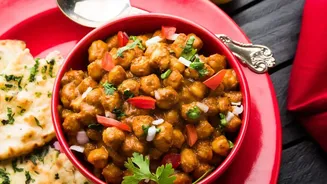
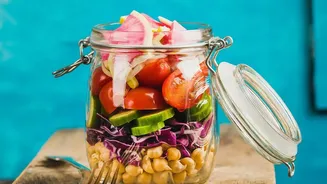
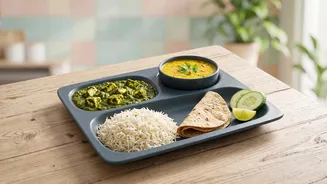
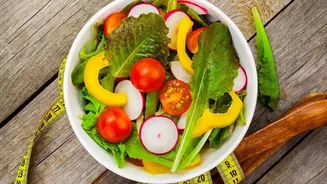
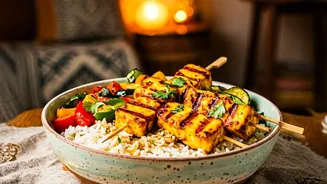
One of the most effective strategies is visual and simple: redesigning your plate. Nutrition experts suggest a conscious plate structure that prevents overeating while ensuring you get a taste of everything. The rule of thumb is to fill half of your plate with vegetables or a fresh salad. These high-fibre options help you feel full and aid digestion. Dedicate one-quarter of the plate to protein, such as dal, paneer, chana, or lean chicken. Protein increases satiety, keeping you satisfied for longer. The final quarter is for carbohydrates like rice, roti, or pulao. By building your meal this way, you prioritise nutrient-dense foods, leaving less room for excessive amounts of heavier dishes.
Make Smart Swaps, Not Sacrifices
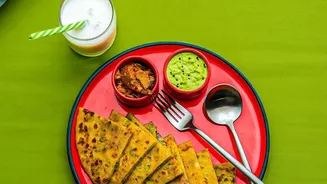
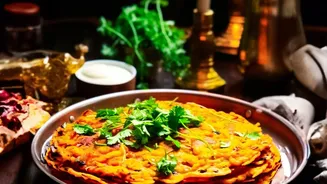
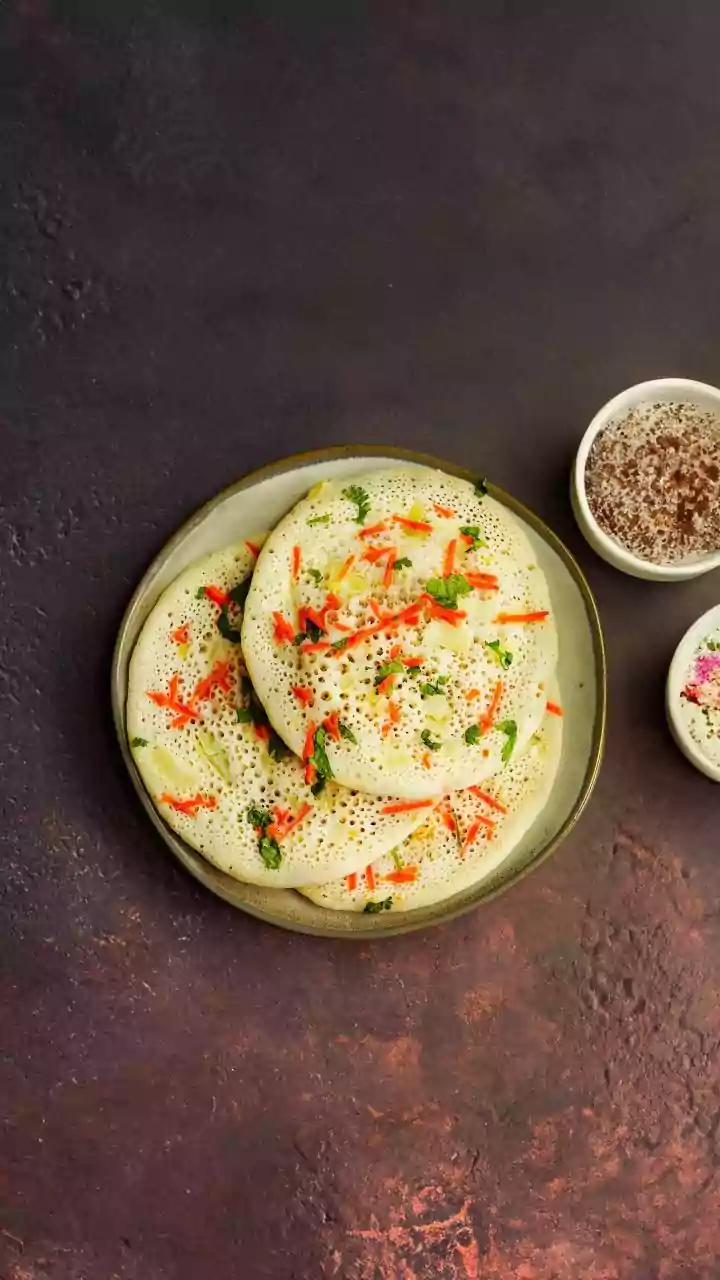
A balanced approach doesn't mean giving up your favourite festive dishes; it means making them smarter. Small changes in preparation can significantly reduce calorie and fat intake without sacrificing flavour. Instead of deep-frying snacks like samosas, chaklis, or gujiyas, try baking or air-frying them. When it comes to sweets, consider alternatives to refined sugar. Many traditional recipes can be adapted using naturally sweet ingredients like dates, figs, or jaggery to make delicious dry fruit laddoos or barfis. Opting for steamed dishes like kozhukattai over their fried counterparts is another simple yet effective swap that lets you enjoy traditional flavours in a healthier way.
Practice Mindful Indulgence
How you eat is just as important as what you eat. Mindful eating encourages you to pay attention to your body’s signals. Before heading to a gathering, have a small, healthy snack like a fruit or a handful of nuts to curb intense hunger and prevent overeating at the party. It’s also crucial to stay hydrated; sometimes our bodies mistake thirst for hunger, so sipping water, coconut water, or buttermilk throughout the day can prevent unnecessary snacking. When faced with a table full of treats, practice portion control. Instead of trying everything, choose the one or two items you truly love and savour them slowly. Eating slowly gives your body time to register fullness, helping you feel satisfied with less.
Plan Around Your Feasts
A little planning can make a huge difference during a busy festive calendar. Identify your main feast days and build supportive patterns around them. On the days before and after a big event, focus on lighter, home-cooked meals rich in vegetables and lean protein. This creates a 'buffer' that helps balance out the richer festive foods. Don't skip meals to “save” calories for a party, as this often leads to overindulgence later. Staying active is another key component. You don't need intense workouts; a simple 30-minute walk in the morning or participating in festive dancing can boost your metabolism and digestion.