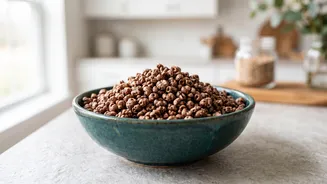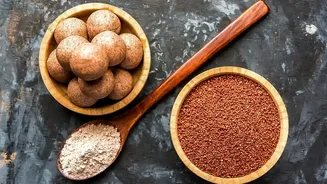





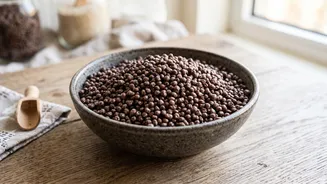

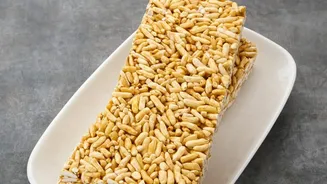
When a craving for a crunchy snack hits, popcorn is the usual hero. But what if a healthier, homegrown powerhouse was waiting in the wings? Enter puffed ragi, a nutritious and delicious alternative that's surprisingly easy to make at home.
The Nutritional Showdown
Popcorn, especially
when air-popped, is a respectable snack. It's a whole grain, low in calories, and provides a decent amount of dietary fibre. A cup of plain, air-popped popcorn contains roughly 30 calories and about 1 gram of fibre. However, puffed ragi (finger millet) brings a different set of advantages to the table. Ragi is celebrated for being a nutritional heavyweight. It is exceptionally rich in calcium, making it one of the best plant-based sources for bone health. It's also packed with iron, protein, and amino acids. While popcorn offers general whole-grain benefits, ragi provides a denser concentration of key minerals like calcium and iron, which are vital for all ages.
The Health Benefits of Ragi
Beyond a simple comparison, ragi boasts several standout health benefits. It is naturally gluten-free, making it an excellent choice for individuals with gluten sensitivity or celiac disease. Its high fibre content aids digestion, promotes a feeling of fullness, and helps in maintaining stable blood sugar levels, giving it a low glycemic index. This makes it a particularly smart snack for those managing diabetes or watching their weight. The grain is also a source of powerful antioxidants, which help protect the body's cells. With benefits ranging from supporting bone density to improving digestive health and providing sustained energy, ragi proves it's more than just a passing trend; it's a traditional grain with timeless value.
Making the Switch to Puffed Ragi
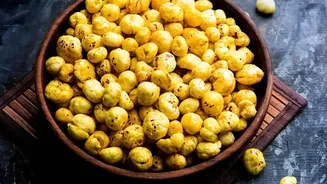
Choosing puffed ragi isn't about completely abandoning popcorn. Instead, it's about adding a versatile and nutrient-dense option to your snacking routine. Puffed ragi, often called 'ragi murmura', has a light, earthy flavour and a satisfyingly crisp texture. Unlike popcorn, which can sometimes have tough hulls, puffed ragi is uniformly crunchy and easy to eat. It’s also incredibly versatile. While popcorn is often limited to butter, salt, or caramel, puffed ragi serves as a perfect canvas for a wide range of Indian spices and seasonings. Whether you prefer a spicy, tangy, or savoury snack, puffed ragi absorbs flavours beautifully, allowing for endless culinary creativity.
How to Prepare a Puffed Ragi Snack
The best part about making a puffed ragi snack is its simplicity. You can find ready-to_use puffed ragi (ragi kurmura or murmura) in most Indian grocery stores. The key to a great snack is the 'tadka' or tempering, which infuses the puffs with flavour and adds extra crunch. You'll start by gently dry_roasting the puffed ragi in a large pan on low heat for a few minutes until they are warm and extra crispy. This step is crucial for the best texture. Once roasted, set them aside. The magic happens in the seasoning. By preparing a simple tempering of oil, mustard seeds, curry leaves, and other ingredients, you can transform the plain puffs into an irresistible savoury mix in just a few minutes. This method ensures the snack is roasted, not fried, keeping it light and healthy.
Simple Puffed Ragi Chivda Recipe
Here is a quick recipe for a classic savoury ragi snack. In a large pan or kadai, heat a tablespoon of oil over medium heat. Add a handful of raw peanuts and roast them until they turn golden and crunchy. Next, add half a teaspoon of mustard seeds and let them splutter. Toss in a sprig of fresh curry leaves, a pinch of asafoetida (hing), and a slit green chilli for heat. Reduce the flame to low and add spices: half a teaspoon of turmeric powder and red chilli powder to your taste. Stir quickly for a few seconds to prevent the spices from burning. Now, turn off the heat and immediately add your pre_roasted puffed ragi. Add salt to taste and a pinch of powdered sugar to balance the flavours. Mix everything thoroughly, ensuring every puff is coated with the spiced oil. You can also add roasted chana dal, dry coconut flakes, or cashews for extra texture and nutrition. Let it cool completely before storing it in an airtight container.