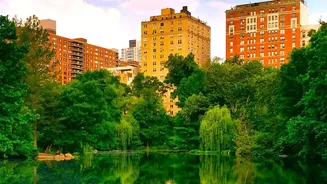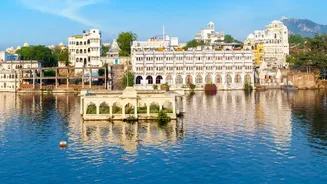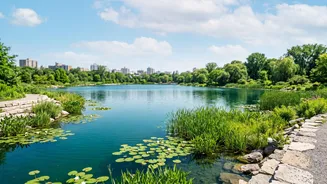





Across India, urban lakes, ponds, and wetlands are shrinking or vanishing. This isn't just a loss of scenery; it's a critical threat to the sustainable future of our cities, impacting everything from monsoon flooding to summer heatwaves.
More Than Just Water Storage
For generations,
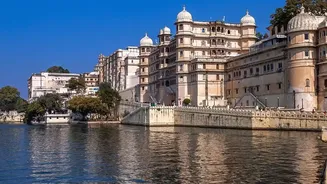
urban water bodies were the lifeline of communities, providing water, supporting livelihoods, and holding cultural significance. Today, in the face of rapid, often unplanned urbanisation, their role has become even more critical. These 'blue spaces' are not just reservoirs; they are essential, multi-functional ecosystems. They are fundamental to maintaining ecological balance, offering a suite of services that make cities resilient and liveable. Yet, they are frequently seen as obstacles to development, leading to widespread encroachment, pollution, and neglect that puts urban centres at risk.
Nature's Sponges Against Urban Flooding
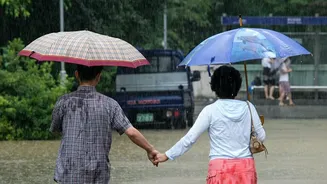
One of the most vital functions of urban water bodies is flood management. Cities like Mumbai, Chennai, and Bengaluru have repeatedly witnessed devastating floods, a crisis worsened by the loss of natural 'sponges'. Lakes and wetlands absorb enormous amounts of rainwater, slowing its release into drainage systems and allowing it to percolate into the ground to recharge depleted aquifers. When these areas are encroached upon or paved over for construction, the water has nowhere to go. Studies show cities like Bengaluru have lost a majority of their water bodies since the mid-20th century, drastically increasing surface runoff and overwhelming drainage systems designed for a different era. Protecting and restoring these natural flood defences is far more effective and sustainable than relying solely on expensive, often outdated, concrete drains.
Cooling Our Concrete Jungles
Indian cities are getting hotter, a phenomenon known as the Urban Heat Island (UHI) effect, where dense concentrations of buildings and roads absorb and retain more heat than natural landscapes. This escalates energy consumption for cooling and poses serious public health risks. Water bodies offer a natural solution. Through evaporation, lakes and ponds have a significant cooling effect on their immediate surroundings, acting as natural air conditioners for the city. Research indicates that the presence of blue-green infrastructure can noticeably lower ambient temperatures, providing thermal comfort and reducing the relentless heat stress experienced in densely populated urban cores.
Hubs for Biodiversity and Community Life
Beyond their functional roles, healthy water bodies are vibrant hubs of life. They support a wide range of flora and fauna, providing critical habitats for birds, fish, and insects, thus preserving urban biodiversity. They also offer immense social and recreational value. Clean, accessible lakes and riverfronts become cherished public spaces for walking, community events, and quiet reflection, contributing directly to the mental and physical well being of residents. Projects like the restoration of Chennai's Adyar estuary into an eco park or the revival of the Kham River in Chhatrapati Sambhajinagar have shown how revitalised water bodies can become sources of community pride and engagement.
The Economic Case for Conservation
The failure to protect urban water bodies comes with a steep economic price, including the high costs of disaster relief after floods and the public health burden of water borne diseases and heat related illnesses. Conversely, conservation is a sound investment. Healthy wetlands naturally filter pollutants, reducing the load on water treatment plants. Properties near well maintained lakes often see an increase in value, and the restoration of these spaces can revive local economies based on fishing or tourism. Investing in this natural infrastructure is not a cost but a down payment on a city’s long term economic stability and resilience.