






The Gut-Brain Axis: Your Second Brain
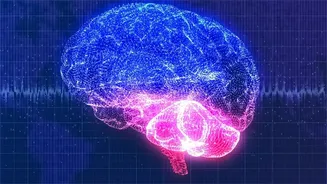
Scientists call this connection the gut-brain axis, a two-way communication network linking your central nervous system with your digestive system. Think of your gut as a 'second brain' that is constantly sending signals and information. This dialogue
influences your emotions, stress levels, and even cognitive functions like concentration. A key part of this ecosystem is the gut microbiome—the trillions of microorganisms living in your digestive tract. An imbalance in these gut bacteria has been linked to mental health concerns like anxiety and depression.
Meet Fermentable Fiber, Your Gut's Best Food
Fermentable fiber, also known as soluble fiber, is a type of carbohydrate that your body can't digest. Instead, it travels to your large intestine where it becomes fuel for your beneficial gut bacteria. These microbes ferment the fiber, a process that produces short-chain fatty acids (SCFAs). These SCFAs are crucial; they nourish your colon cells, reduce inflammation, and help regulate your immune system. Research suggests this process also plays a role in influencing your mood and stress response. Essentially, by eating fermentable fibers, you're not just feeding yourself—you're feeding the good bacteria that help keep your mind and body in balance.
Understanding Probiotics: The Good Bacteria
Probiotics are the 'good guys'—live beneficial bacteria that help maintain a healthy balance in your gut microbiome. You can find them in fermented foods or as supplements. These helpful microbes work to restore microbial balance, protect the intestinal lining, and enhance your immune system. The term 'psychobiotics' has even emerged to describe probiotics that specifically provide mental health benefits. Research, though still evolving, shows that certain strains of probiotics, like Lactobacillus and Bifidobacterium, may help reduce symptoms of stress and anxiety and support cognitive function. They do this by helping to produce key neurotransmitters and reducing inflammation that can negatively affect brain function.
How a Healthy Gut Supports Your Mood
The link between your gut and your mood is surprisingly direct. Did you know that about 90% of your body's serotonin, the 'feel-good' neurotransmitter, is produced in the gut? A healthy and diverse microbiome helps with the production of serotonin and other important brain chemicals like GABA, which helps control feelings of fear and anxiety. When your gut bacteria are well-fed with fermentable fibers, they can more effectively produce these mood-regulating compounds. Conversely, inflammation in the gut, often caused by an imbalanced microbiome, can negatively affect brain function and is linked to low mood and depression.
From Gut to Brain: Sharpening Your Daily Focus
The benefits of a healthy gut extend beyond mood to cognitive functions like focus and concentration. Chronic inflammation, which can originate from an unhealthy gut, acts like static, making it harder for your brain to send and receive clear signals. By reducing this inflammation, a balanced microbiome can help improve mental clarity. Studies have shown that gut interventions, including the use of probiotics, can lead to improvements in memory and attention. Feeding your gut microbes with fermentable fiber and reinforcing their populations with probiotics helps create an internal environment that supports clearer thinking and better concentration throughout the day.
Eating for a Happier, Sharper Mind
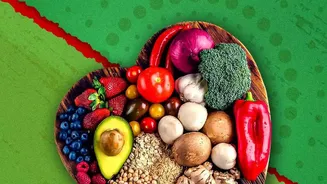
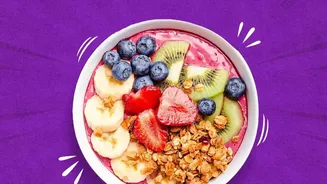
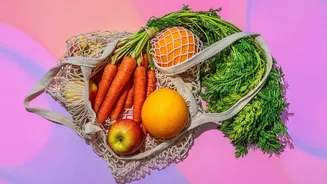
Incorporating gut-friendly foods into your diet is easier than you think. For fermentable fibers (also called prebiotics), focus on a variety of plant foods. Excellent sources include onions, garlic, asparagus, bananas (especially slightly green ones), oats, barley, apples, and legumes like lentils and beans. To boost your probiotic intake, look for fermented foods. Yoghurt and kefir are popular choices, but also consider kimchi, sauerkraut, kombucha, miso, and tempeh. When choosing products like yoghurt or pickled vegetables, check the label for 'live and active cultures' to ensure you're getting the probiotic benefit. The key is variety and consistency to help your gut microbiome thrive.