




Why Gentle Drying Matters
Wet hair is incredibly fragile. When hair is wet, its structure changes, making it more elastic and prone to breakage. Vigorous rubbing with a coarse traditional towel lifts and tears the hair's outer layer, known as the cuticle. This friction is a primary
cause of frizz, split ends, and overall dullness. Similarly, excessive heat from a blow dryer can strip away the protective natural oils on the hair shaft, leading to brittle, dry strands. By adopting gentler drying methods, you preserve the integrity of the hair cuticle, which is the key to smooth, shiny, and healthy-looking hair.
Upgrade Your Towel Game
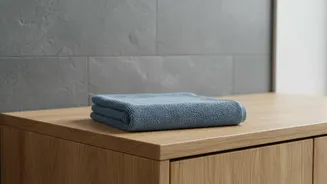
The single most impactful change you can make is to ditch your standard terry cloth bath towel for drying your hair. Their rough loops can snag and break delicate wet strands. Instead, opt for a microfiber towel. The ultra-fine fibers of microfiber are significantly more absorbent and have a smoother texture, allowing them to soak up excess water quickly without causing friction or frizz. If you don't have a microfiber towel, a simple, soft cotton T-shirt is an excellent alternative. The goal is to gently squeeze or blot the moisture out of your hair, not to rub it dry.
Mastering the 'Plopping' Technique
For those with wavy, curly, or coily hair, plopping is a revolutionary, heat-free method for enhancing your natural curl pattern while reducing frizz. After washing and applying your styling products to soaking wet hair, you'll lay a microfiber towel or cotton T-shirt on a flat surface. Flip your hair forward, allowing your curls to pile or 'plop' onto the center of the fabric. Then, wrap the fabric around your head, twisting the ends to secure it. You can leave it on for 15-30 minutes to absorb excess water or even overnight. This technique helps curls form without being stretched out by their own weight, resulting in better definition and volume.
Smarter Air-Drying Strategies
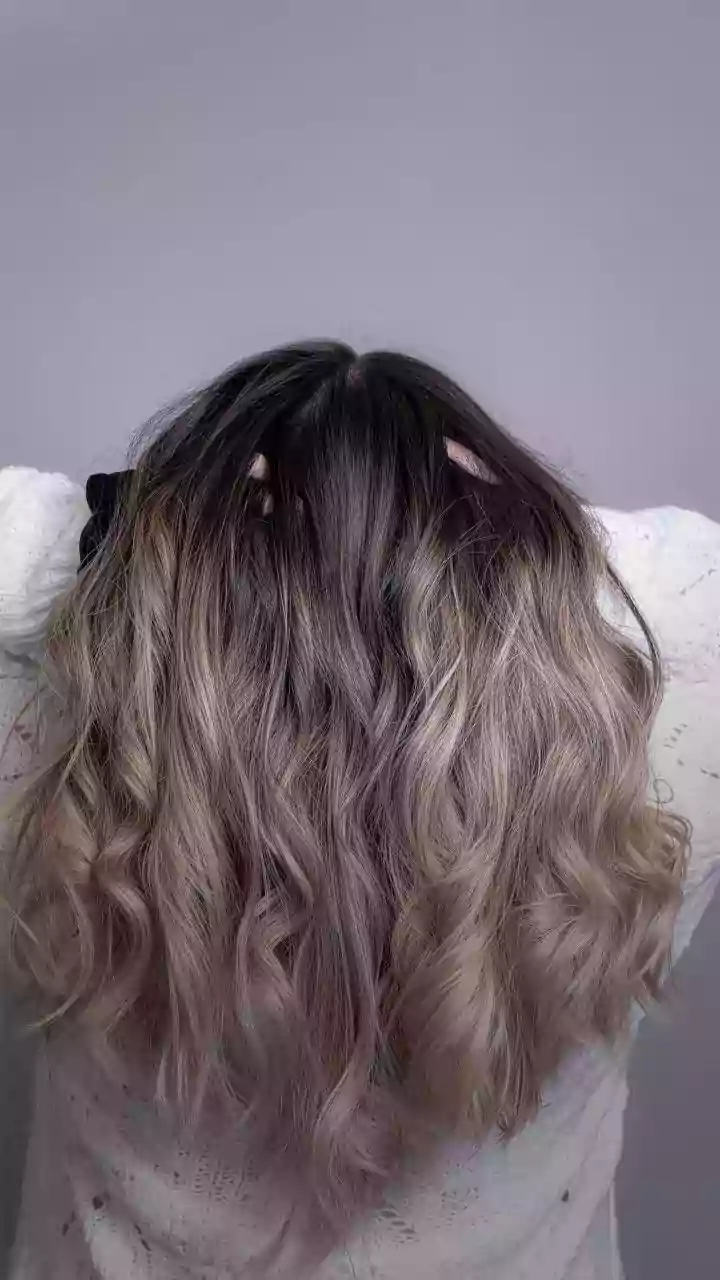
Air-drying is the ultimate heat-free option, but it requires a little strategy to avoid frizz or flatness. First, ensure you've gently squeezed out as much water as possible with a microfiber towel. Apply your leave-in conditioners or styling creams to damp, not sopping wet, hair to ensure they are absorbed effectively. Once your products are in, the most important rule is: hands off. Touching your hair while it dries can disrupt the cuticle and create frizz. If you need more lift at the roots, especially for fine or straight hair, you can use small clips at the crown while your hair dries to create volume.
When You Must Use Heat
Sometimes, you just don't have time to air-dry. If you need to use a blow dryer, you can still minimize damage by following a few key rules. Always let your hair air-dry or towel-dry until it's about 70-80% dry before reaching for the dryer. This drastically cuts down on the time your hair is exposed to heat. Always apply a heat protectant spray. Use the lowest heat and speed settings on your dryer that are effective for your hair type. Keep the dryer moving and maintain a distance of about six inches from your hair to prevent concentrating heat on one spot. For curly hair, use a diffuser attachment to disperse the airflow and protect your curl pattern.